space

space

space

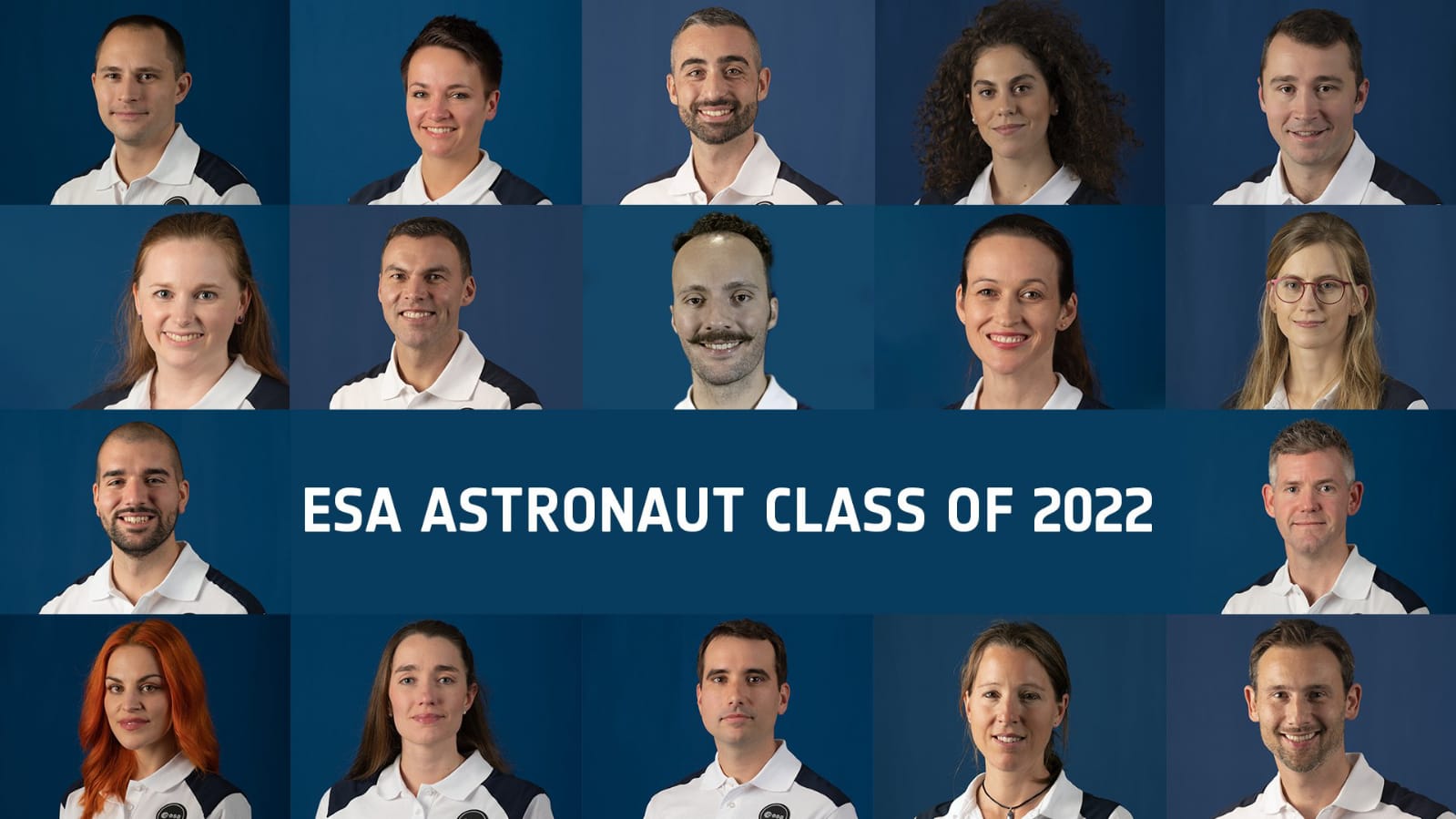
Reactions: ESA selects two new Spanish astronauts

The European Space Agency (ESA) has just announced who will form part of its new generation of astronauts and there are two Spaniards among those selected: Pablo Álvarez and Sara García (the latter, in reserve). They thus become the third and fourth Spanish astronauts in history, after NASA's Michael López-Alegría (with Spanish and US nationality) and Pedro Duque, the first Spanish astronaut to be selected by ESA in 1992. No Spanish candidate was selected in the European agency's 1998 and 2008 calls for applications. 

0

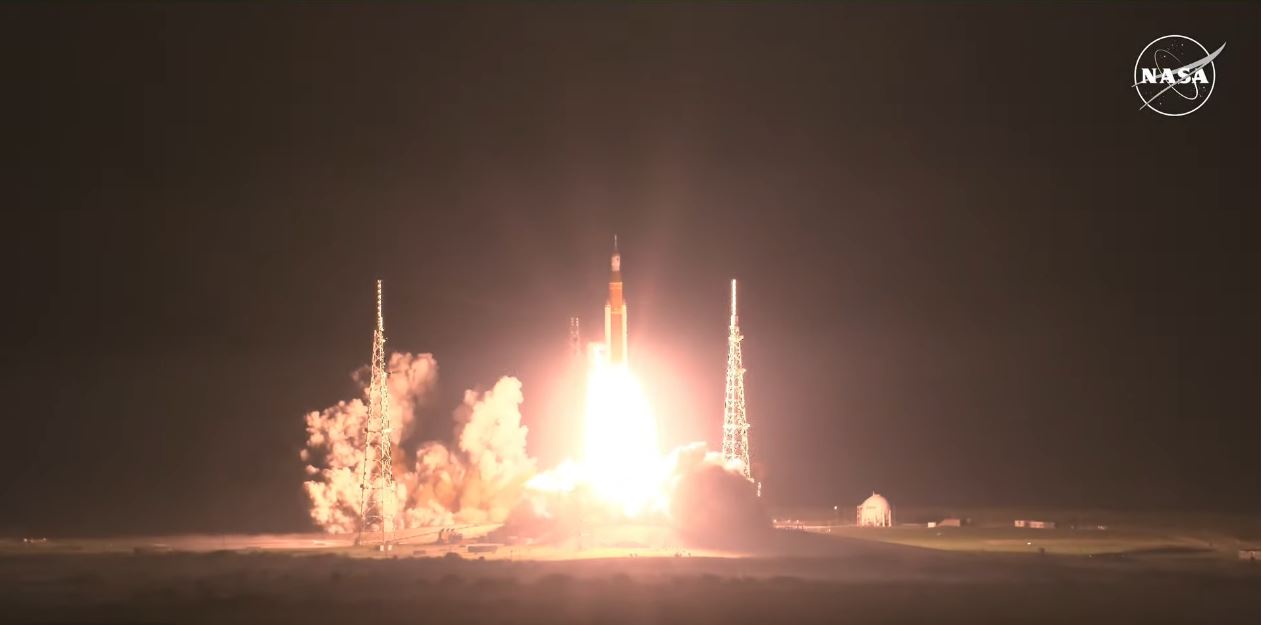
Back to the Moon!

After almost three months of delays caused by various technical problems and two hurricanes, the Artemis I mission was successfully launched this morning, the first of a programme that will take the first woman astronaut to the moon. It has 42 days ahead of it, during which the spacecraft will orbit our satellite and test the stability of this lunar orbit, because in the future a space station will be located there to receive the astronauts on their journey from Earth.

1

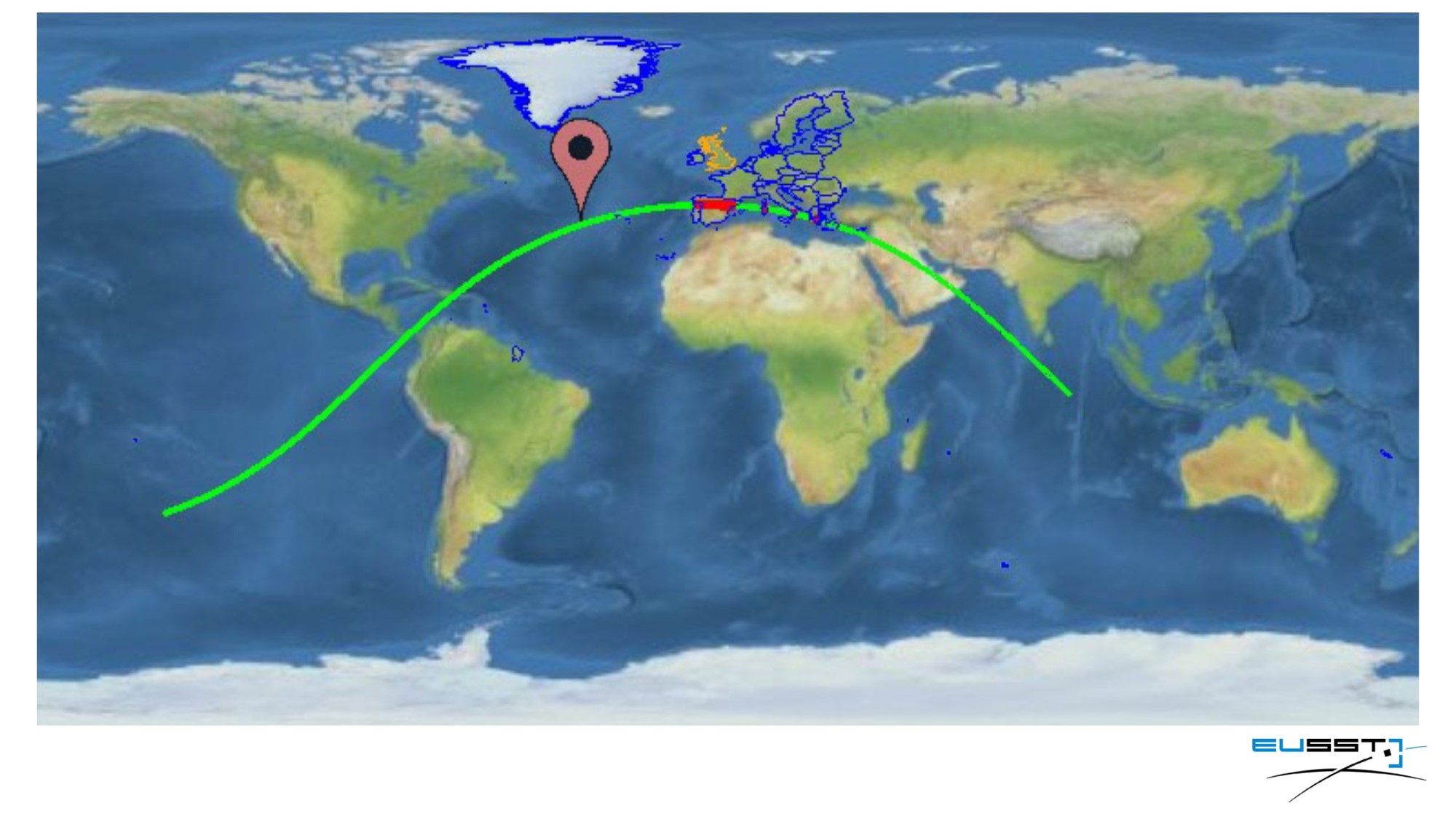
Reactions to the fall of a large Chinese rocket fragment to Earth have closed part of the airspace

Early this morning, the Spanish air navigation manager restricted a strip of airspace due to the possible passage of the Chinese space object CZ-5B, which had detached from the Long-March 5B rocket. The fragment finally fell over the Pacific Ocean and Spanish airspace is no longer restricted.

0

Reactions to the first controlled asteroid impact

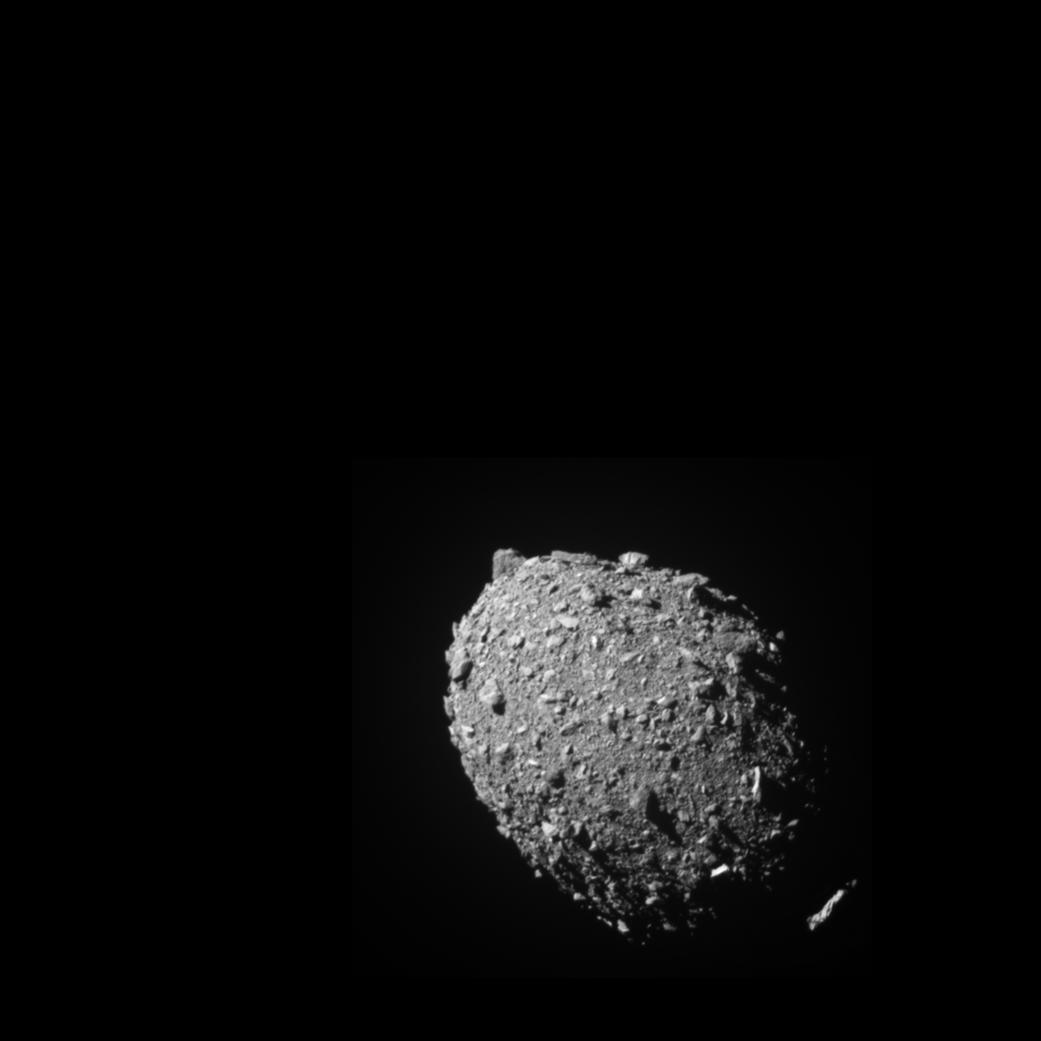
As planned, the DART (Double Asteroid Redirect Test) mission has hit the asteroid Dimorphos, which orbits a larger asteroid, Didymos. Neither is a threat to Earth. This is the first planetary defence test mission designed to change the orbit of an asteroid, launched by NASA and the Johns Hopkins APL laboratory, with Spanish participation. Scientific teams will study with ground-based telescopes how much the orbit of Dimorphos will change around Didymos after the collision.

0

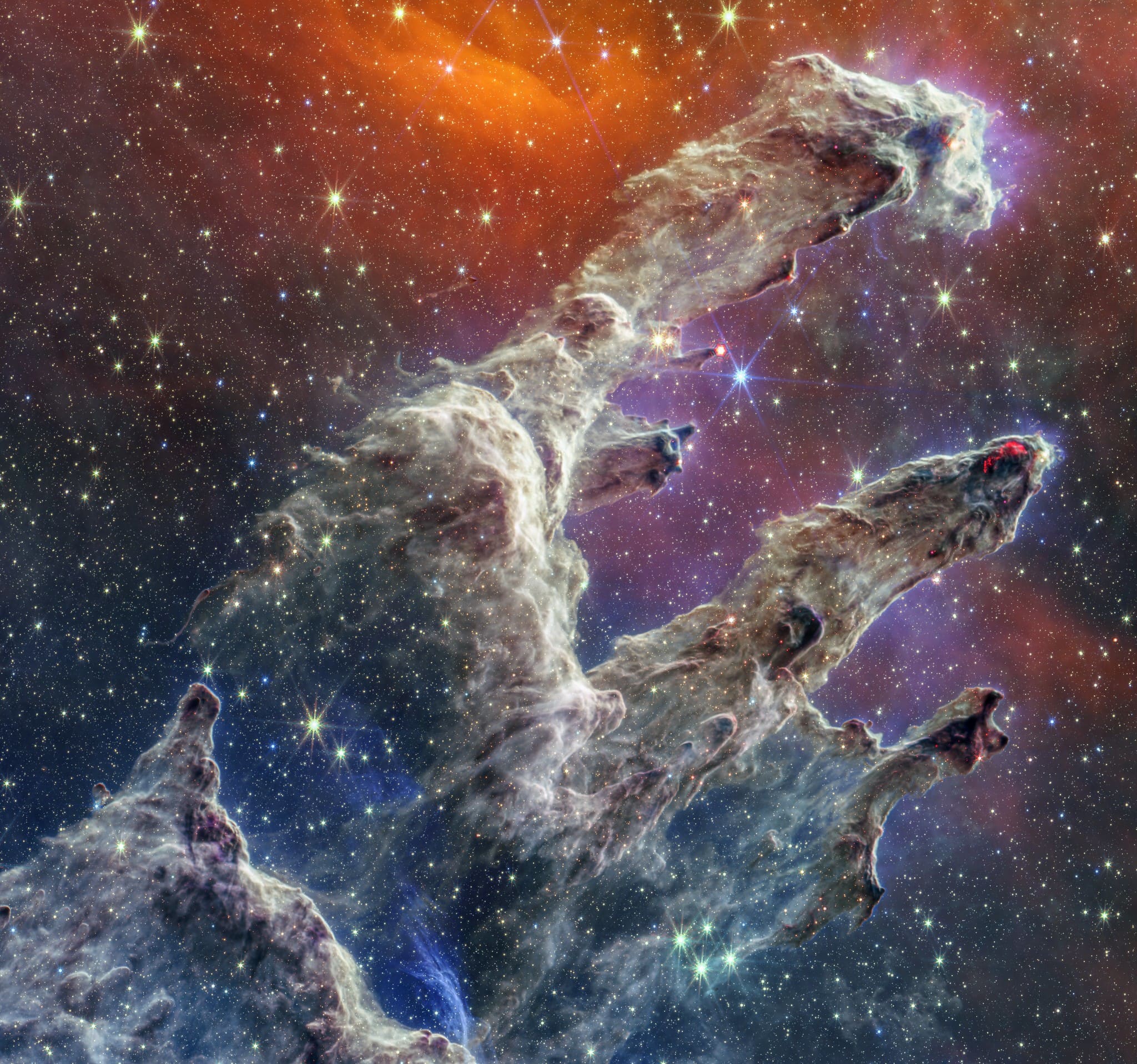
The deepest image of the distant universe, proof that James Webb will entertain for years to come

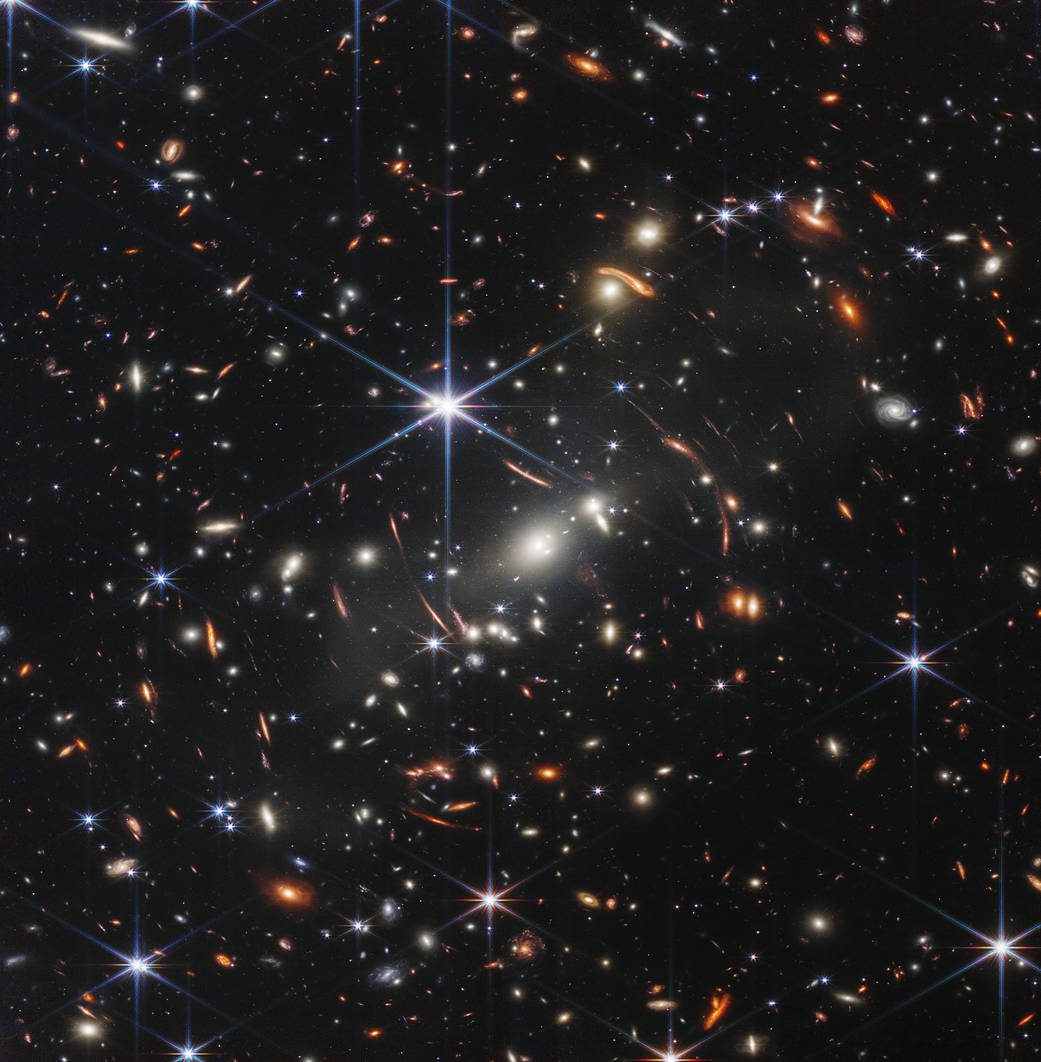
Romano Corradi, director of the Gran Telescopio de Canarias, assesses the deepest and sharpest infrared image of the distant universe taken by the James Webb Space Telescope, an international collaboration of the space agencies of the United States (NASA), Europe (ESA) and Canada (CSA).

1

The International Space Station in the face of Russia's possible withdrawal

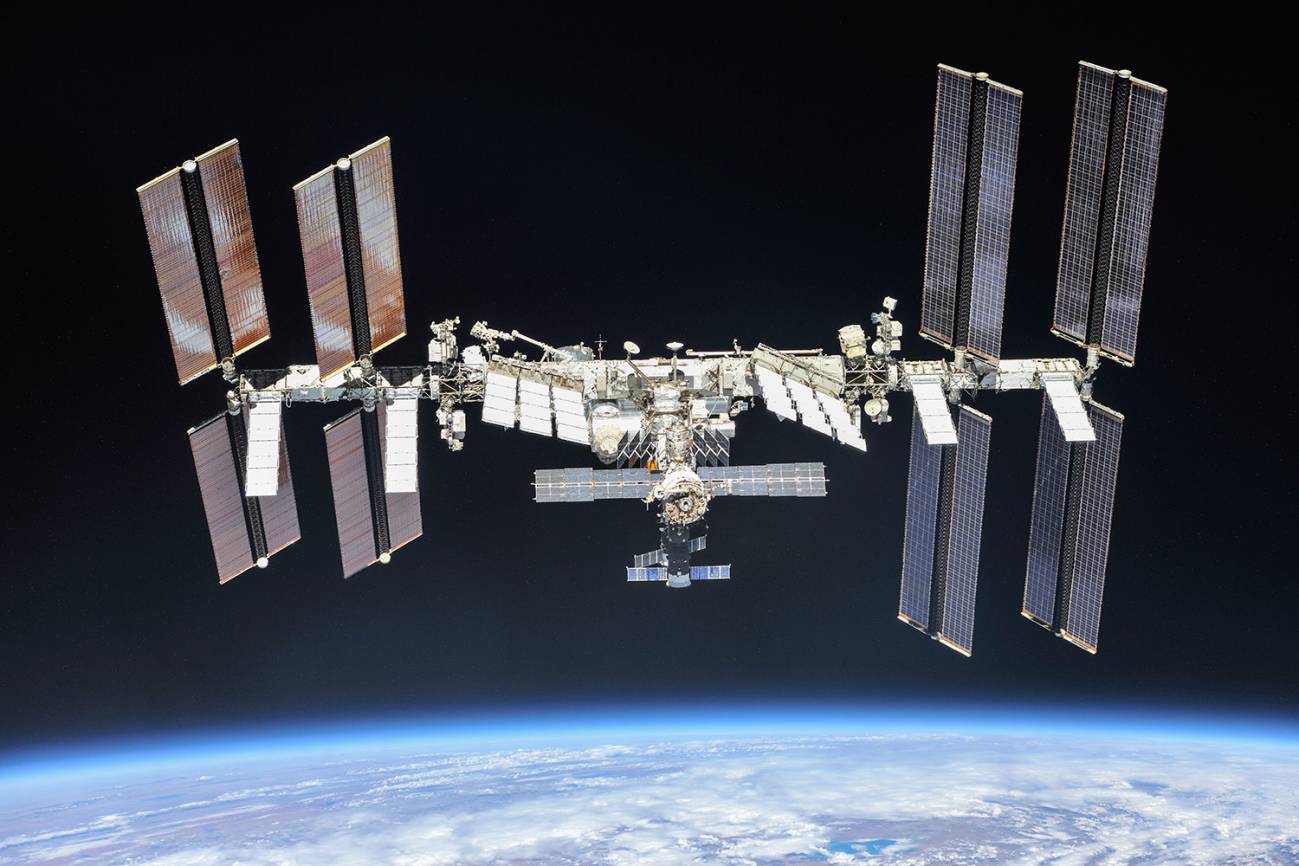
Today the International Space Station (ISS) is completely dependent on Russia to keep it in orbit. Space X spacecraft, which NASA contracts, carry astronauts but cannot propel the ISS to maintain its altitude. A new American spacecraft, Cygnus, which has already conducted a successful propulsion test, is expected to be able to do so.

1