reproductive health

reproductive health

reproductive health

Reactions: Sperm donor sued amid claims that he fathered 550 children

A sperm donor in the Netherlands has allegedly fathered more than 550 children in at least 13 clinics in the Netherlands and other countries. One of the mothers of these children and the Donorkind Foundation (Netherlands) have sued him. In Spain, there is a national registry of gamete and pre-embryo donors, and the law on assisted human reproduction techniques does not allow more than six babies to be born from the same donor. 

0

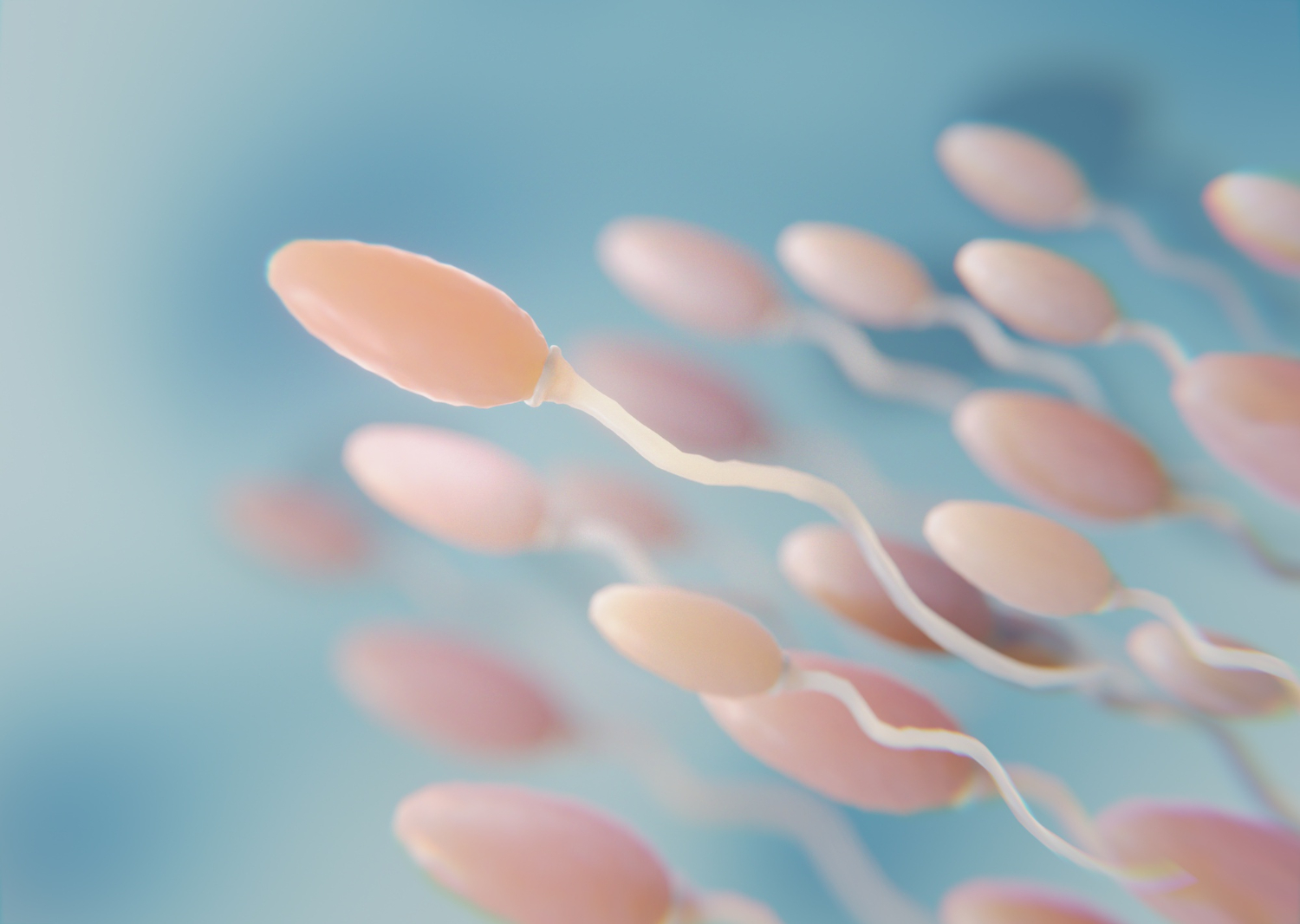
Reaction: new technique allows sperm to be selected for sex selection

Researchers in the United States have tested a new technique to select sperm and thereby increase the chances that the embryo will be of either sex. The proven efficacy is around 80 %. Although some countries such as the United States allow this type of procedure, in Spain it is prohibited except in cases of prevention of diseases linked to sex chromosomes. The authors of the article state that sperm selection is more ethically acceptable than embryo selection. The results are published in the journal PLOS ONE.

0

Reactions to study associating induced childbirth with poorer academic performance at age 12

A study carried out by researchers at the University of Amsterdam Medical Centres on more than 220,000 children examines the academic performance at age 12 of children born by induced labour. According to the authors, a reduction in scores was observed in infants born after induced labour between 37 and 41 weeks. The research is published in Acta Obstetricia et Gynecologica Scandinavica.

0

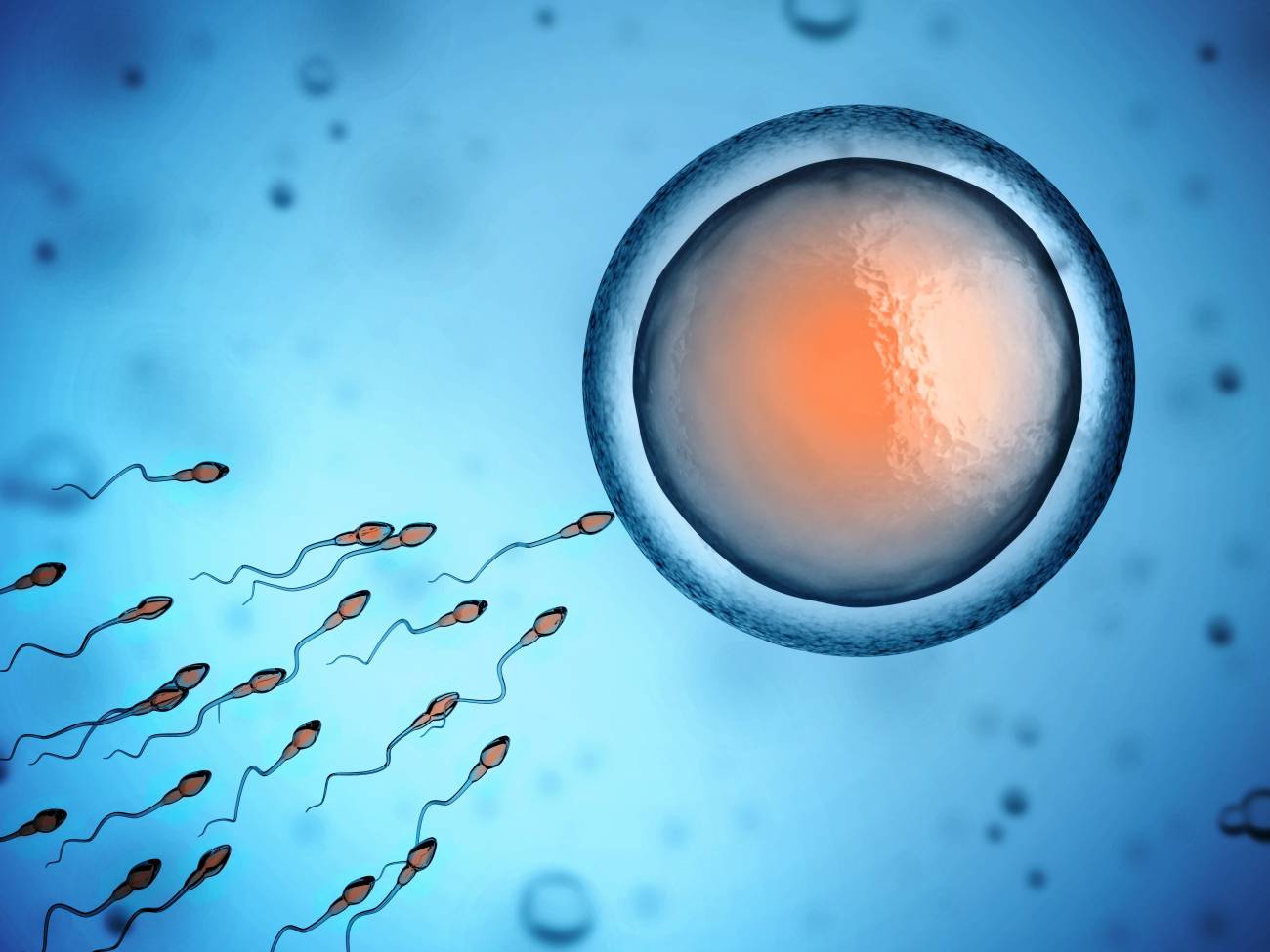
Reaction to a study showing the efficacy of a male oral contraceptive in mice

A study in mice found that a molecule called TDI-11861 works as an oral male contraceptive, temporarily blocking sperm function. The paper, published in Nature Communications, presents the research as a step towards an on-demand male contraceptive drug: the user could take a birth control pill before sex and become fertile again the next day. Four co-authors of the study have founded a company in the US to develop such products. 


0

Reactions: Academic outcomes of IVF-conceived girls and boys do not differ from those conceived naturally

A study published in the journal PLOS Medicine concludes that the development and academic outcomes of girls and boys conceived with in vitro fertilisation (IVF) are no different from those of children conceived naturally. The analysis is based on data from two national assessments in Australia, including more than 585,000 children born between 2005 and 2014 (more than 11,000 conceived by IVF). The first assessment measured the physical and emotional and cognitive health of children aged 4-6 years; the second focused on the numeracy and verbal skills of schoolchildren aged 7-9 years.

0

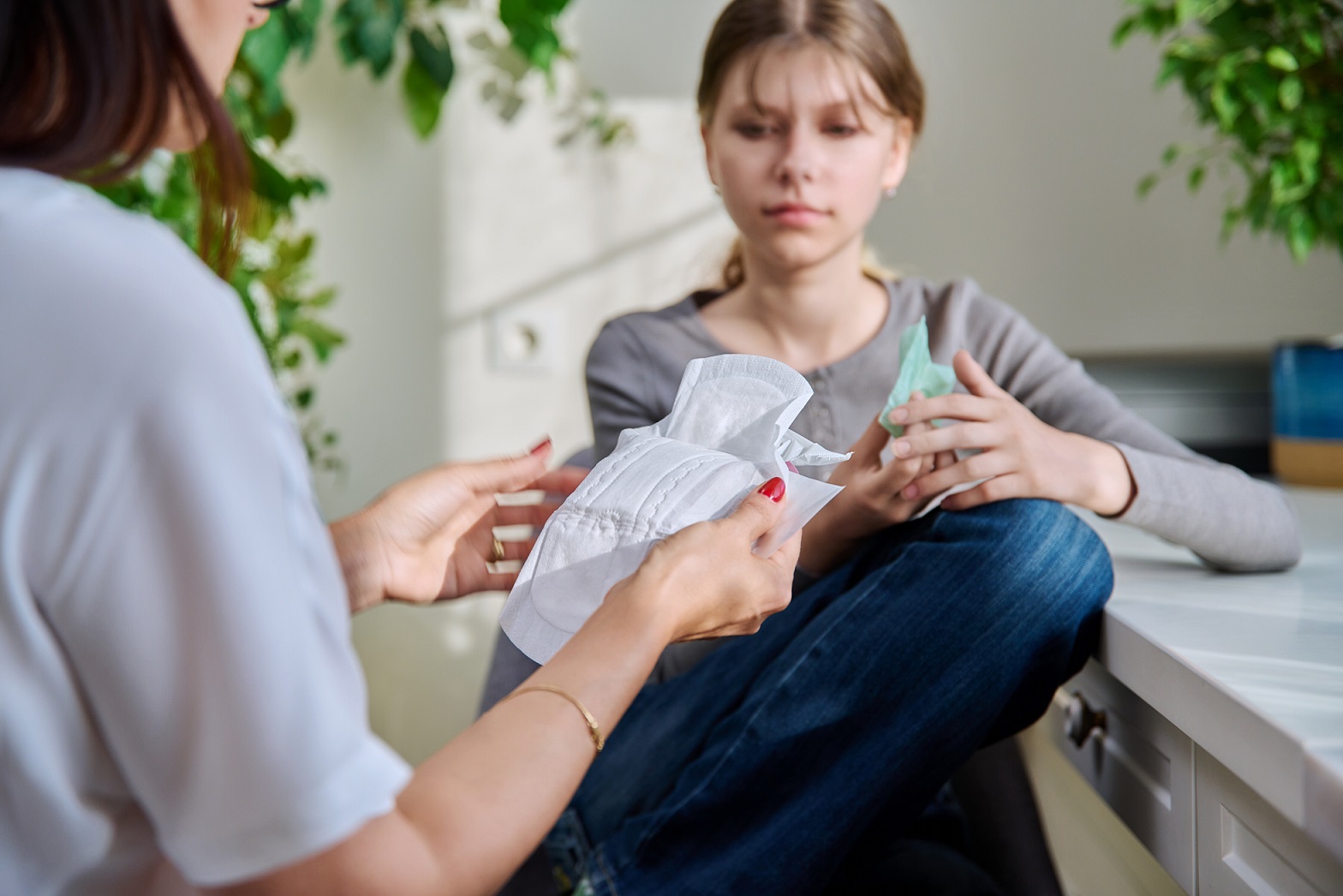
Reaction: 42% of respondents in a study had heavier menstruation after the covid vaccine

Results from a survey of more than 39,000 menstruating individuals reveal that 42% experienced heavier bleeding after SARS-CoV-2 vaccination. Among the most likely groups were pre-menopausal women, Hispanic or Latina women, those who had been pregnant, and those with conditions such as endometriosis and polycystic ovary syndrome.

0

Anti-vax vaccination does not affect the success of assisted reproduction or the ability to conceive naturally: expert reaction

Several results confirm that vaccination against covid-19 does not affect fertility. One of them, carried out on some 2,000 couples and published in the American Journal of Epidemiology, compares the ability to conceive naturally in vaccinated and unvaccinated couples. The other, in Obstetrics & Gynecology, studies some 1,300 vaccinated and unvaccinated women who have used different assisted reproductive techniques. Neither paper finds a link between vaccination and pregnancy.

0