reproductive health

reproductive health

reproductive health

The meningococcal B vaccine may provide partial protection against gonorrhoea

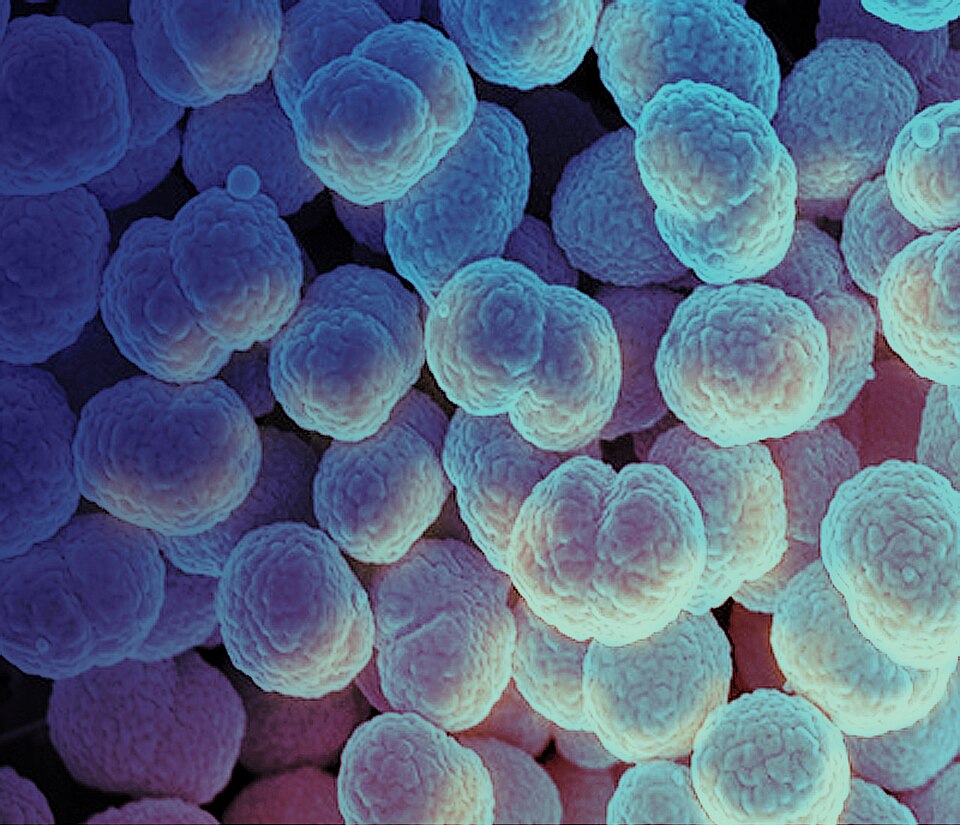
Gonorrhoea is the second most common sexually transmitted disease in the world, with 80 million cases each year. There is no effective vaccine, and the bacteria responsible are becoming resistant to common antibiotics. Some studies have suggested that the meningococcal B vaccine, a unrelated bacterium, may offer partial protection against gonorrhoea. Now, an Italian team has identified 17 antibodies that could explain this cross-immunity, which, according to the authors, could be used to develop treatments and vaccines. The results are published in the journal Science Translational Medicine.

0

Babies born through assisted reproduction have increased risk of serious heart defects, study finds

The relative risk of being born with a major heart defect is 36% in babies conceived using assisted reproductive techniques, such as in vitro fertilisation, compared to newborns not using these techniques, according to a study published in the European Heart Journal. The absolute risk was 1.84% versus 1.15%. The research, which included more than seven million babies born in Denmark, Finland, Norway and Sweden, also shows that the increased risk is especially associated with multiple births, which are more common in assisted reproduction.


0

Surrogacy carries higher risk of pregnancy and postpartum complications, Canadian study finds

Canadian research analysing more than 863,000 births over almost a decade, including 806 surrogacy deliveries, concluded that the risk of severe maternal morbidity was 7.8% in gestational carriers, more than three times the risk of conception without assisted reproductive techniques and almost twice the risk in IVF pregnancies. The three most frequent complications were severe postpartum haemorrhage, severe pre-eclampsia and puerperal sepsis. The study is published in the Annals of Internal Medicine.

0

Non-invasive method assesses the quality of mouse oocytes and embryos

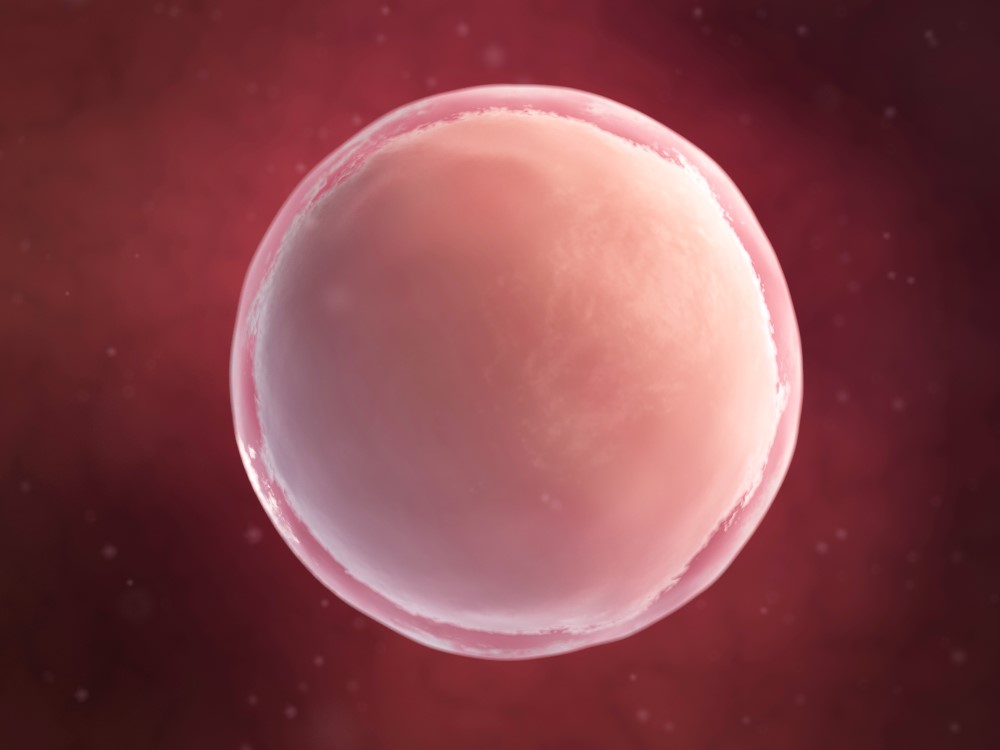
A new technique developed at the Institut de Bioenginyeria de Catalunya (IBEC) has succeeded in assessing the health of mouse oocytes and embryos in a non-invasive way, according to a study published in PNAS. The method generates 3D images to visualise the metabolism of oocytes and embryos obtained by in vitro fertilisation and makes it possible to select those that are most likely to implant and develop, say the authors.

0

Reactions: some progesterone analogues increase risk of developing a type of brain tumour, study finds

A French study involving more than 100,000 women has found a link between long-term use of some progesterone hormone analogues - used for contraception or hormone replacement therapy - and an increased risk of developing meningioma, a generally benign type of brain tumour. The results are published in The BMJ. 

0

Reaction: new evidence on the link between father's age and genetic disorders in offspring

Sperm from older fathers are more likely to pass on new mutations that would cause congenital disorders to their babies, while other mutations are independent of paternal age, says a study published in Genome Biology and Evolution. The team analysed the frequency of ten FGFR3 gene variants in semen samples from anonymous donors aged 23-59 years in Austria. Two pathogenic mutations of this gene do occur more frequently in older fathers: those associated with achondroplasia and with thanatophoric dysplasia, a rare and very fatal disease. Other mutations have no correlation with paternal age and may occur in the testes before sexual maturation, according to the study.

0