pollution

pollution

pollution

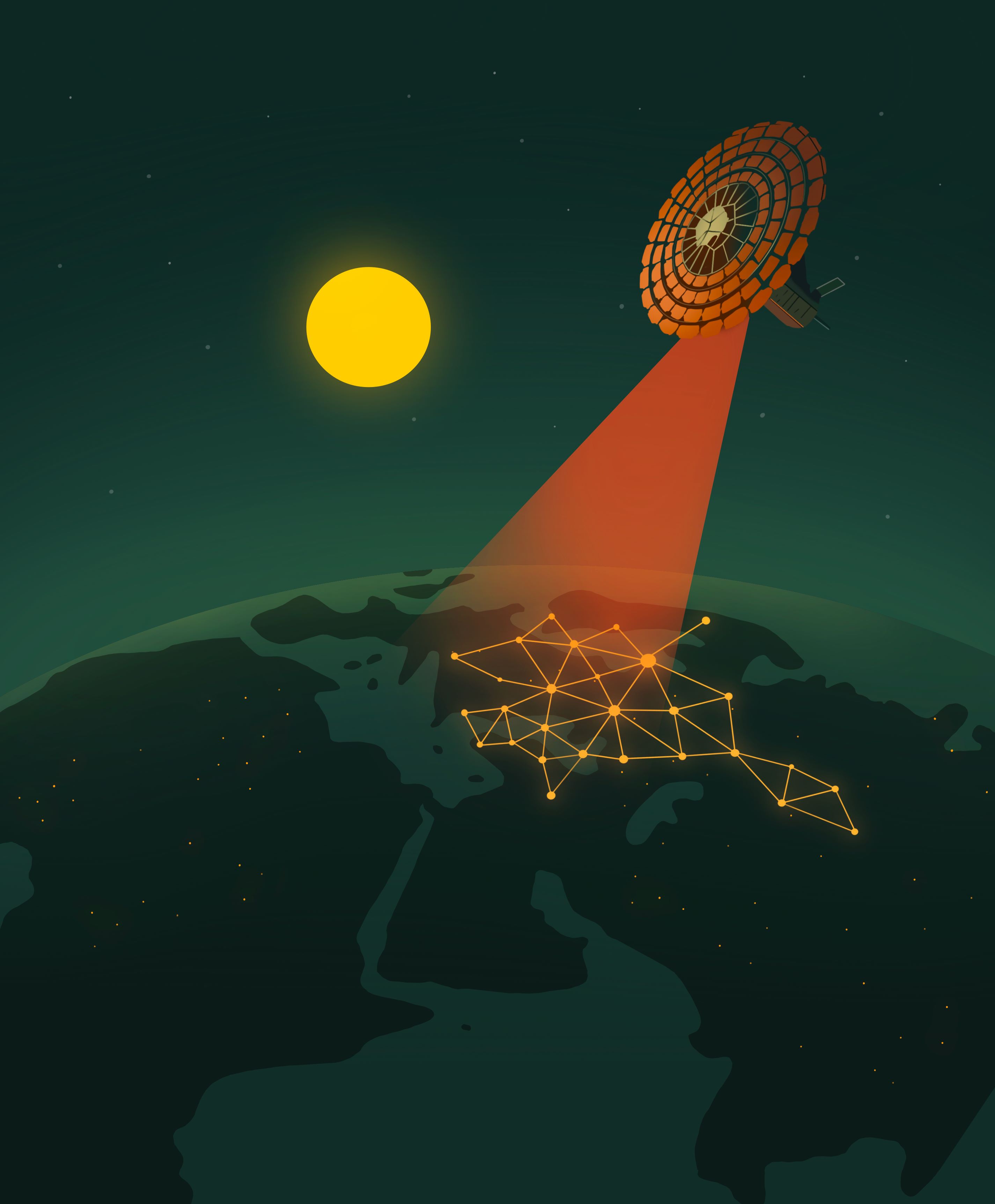
The increase in emissions could halve the maximum limit of satellites that orbit the Earth safely

The maximum number of artificial satellites that can safely orbit the Earth could be reduced due to the increase in greenhouse gas emissions of human origin, according to a modelling study. The increase in these gases may result in a reduction in the density of the planet's orbital space. Between 2000 and 2100, the carrying capacity of satellites between 200 and 1,000 kilometres altitude could be reduced by between 50 and 66%, estimates the study published in Nature Sustainability.

0

Proportion of lung cancer cases in nonsmokers associated with pollution is rising

A paper published in The Lancet Respiratory Medicine has analyzed new cases of lung cancer worldwide during the year 2022. While the incidence in women continues to approach that of men, the decrease in tobacco consumption in many countries causes the proportion of cases in non-smokers to increase. This increase is associated with air pollution, especially in countries such as China. 

0

The Saharan dust that dyed Spanish skies orange in 2022 did not present a radioactive risk to human health

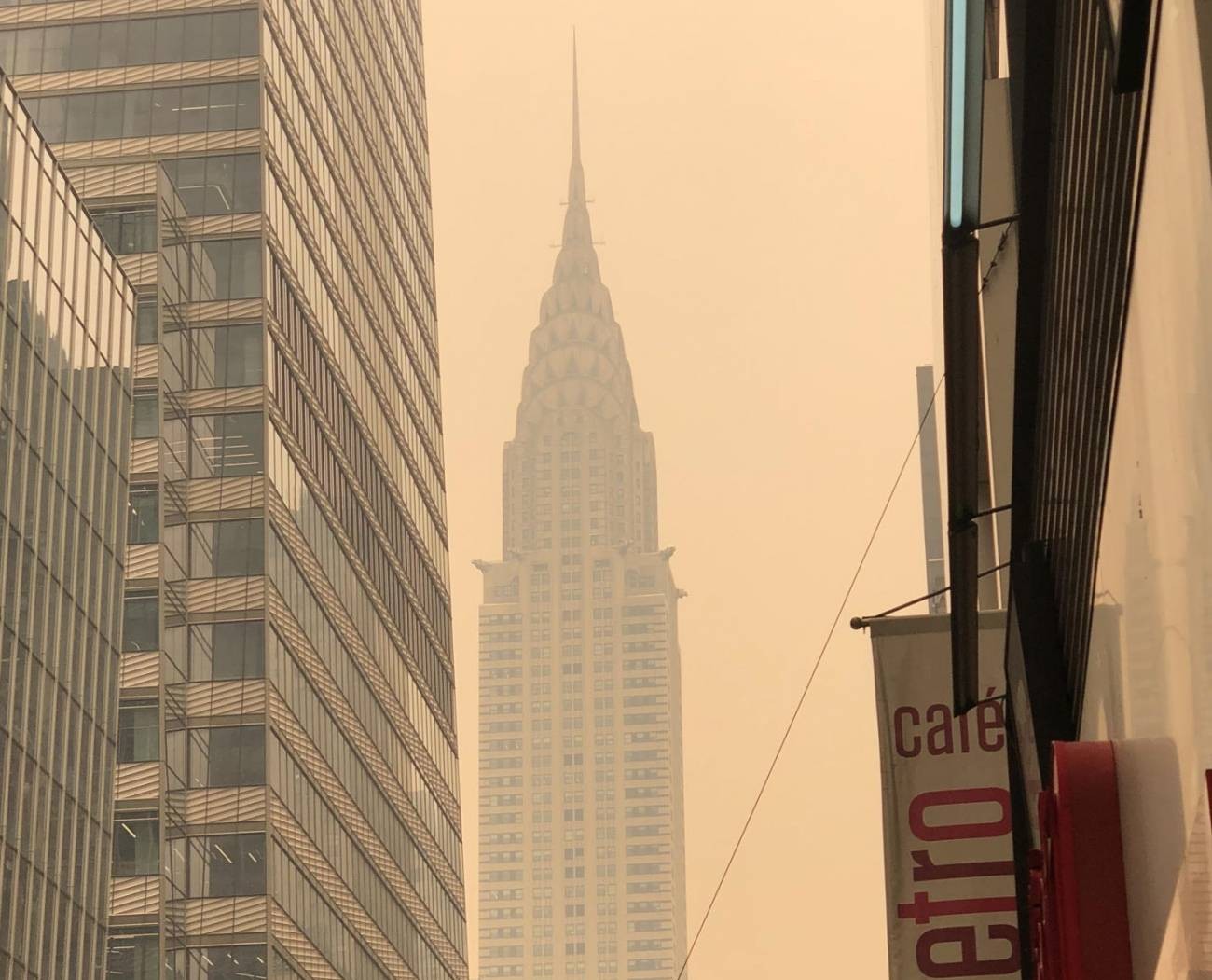
The Saharan dust intrusion that reached Spain and other European countries in March 2022 posed no risk to human health in terms of exposure to radioactivity, according to an analysis of samples collected by citizens in Spain, Germany, Austria, Belgium, France, Belgium, France, and Luxembourg. The dust came from southern Algeria, says the analysis published in Science Advances, and contained plutonium isotopes characteristic of nuclear tests conducted by the U.S. and the Soviet Union - not from French tests in the Reggane area in the 1960s.

0

Last round of plastics treaty talks ends without agreement

The fifth session of the United Nations Intergovernmental Negotiating Committee to develop an international legally binding instrument on plastic pollution (INC-5) ended without a treaty in Busan, South Korea, in the early hours of the morning. The more than 100 countries participating in what was to be the final round of negotiations have agreed to continue negotiating, reports Reuters.

0

Mismanaged plastic waste will double by 2050 under current policies

If practices and public policies do not change, the mass of mismanaged plastic waste in the world will double to 121 million tonnes per year by 2050, according to a study published in Science. The article also assesses the potential impact of global measures, such as those envisaged by the forthcoming UN global treaty on plastic pollution, which begins its final negotiating session at the end of this month.

0

Generative AI expansion could create up to five million tonnes of e-waste

The development of generative artificial intelligence, and in particular of large language models, could generate between 1.2 and 5 million tonnes of accumulated electronic waste between 2020 and 2030, according to a study published in Nature Computational Science. The study estimates the mass of waste generated by hardware elements such as processing units, storage units and power supply systems.

0