policy

policy

policy

Conversations with AI chatbots can significantly influence the direction of the vote

Two research teams, with some authors in common, have shown in two separate studies that interaction with chatbots using artificial intelligence (AI) can significantly change a voter's opinion about a presidential candidate or a policy proposal. One of the studies, published in Nature, was conducted in three countries (the US, Canada, and Poland), while the other, developed in the UK, is published in Science. Both studies reach the same conclusion: the persuasive power of these tools stems less from psychological manipulation than from the accumulation of fact-based claims that support their position. However, this information is not always accurate, and the greater the persuasive power, the greater the inaccuracy and fabrication.

0

Independent research shows that X's (Twitter's) algorithm can influence political polarisation

A US research team has devised a method that uses a browser extension to alter the algorithm of X (formerly Twitter) to study its impact on user behaviour. In a 10-day experiment with 1,256 volunteers during the 2024 US presidential campaign, they used the method to vary the content expressing anti-democratic attitudes and partisan hostility. According to the authors, the results—published in Science—provide causal evidence that greater or lesser exposure to this type of content alters polarisation in the same way. Their conclusions contradict previous research published in the same journal, which found no such relationship on Facebook or Instagram. In that case, the study was conducted in collaboration with and funded by Meta.

0

A global study shows that physical, social and political factors influence ageing

An international team has analysed data from more than 160,000 people in 40 different countries, including Spain, to study differences in the speed of ageing between regions and the factors responsible. According to the results, European countries show healthier ageing, while low-income countries are associated with accelerated ageing. Protective factors include physical factors such as air quality; social factors such as socioeconomic and gender equality; and sociopolitical factors such as freedom of political parties and democratic elections. The study is published in the journal Nature Medicine.

0

People can habituate to democratic decline

The brain can become habituated to the deterioration of democracy, warn a neuroscientist and a law expert in an editorial published in Science Advances. "When democratic norms are violated repeatedly, people begin to adapt,’ they explain, calling for a "dishabituation" to democratic decline. This requires "see[ing] things not in light of the deterioration of recent years, but in light of our best historical practices, our largest ideals, and our highest aspirations.

0

How Donald Trump's announced tariffs will affect the EU's science and health industry

US President Donald Trump has announced that all goods imported into the United States will be subject to a 10 % tariff. In the case of goods from the European Union, this will increase to 20 %, according to the executive order signed by Trump, which will affect the EU's science and health industry. This tariff will be even higher with other trading partners. The measure will not affect pharmaceuticals for the time being.


0

Trump announces US withdrawal from World Health Organisation

The new US president, Donald Trump, announced on his first day that the country will leave the World Health Organisation (WHO) within the next twelve months. The reasons behind the decision, according to him, are the ‘mismanagement of the covid-19 pandemic and other global health crises’, as well as ‘disproportionate payments compared to other countries’ dues’.

0

What impact will Donald Trump's victory have on climate change?

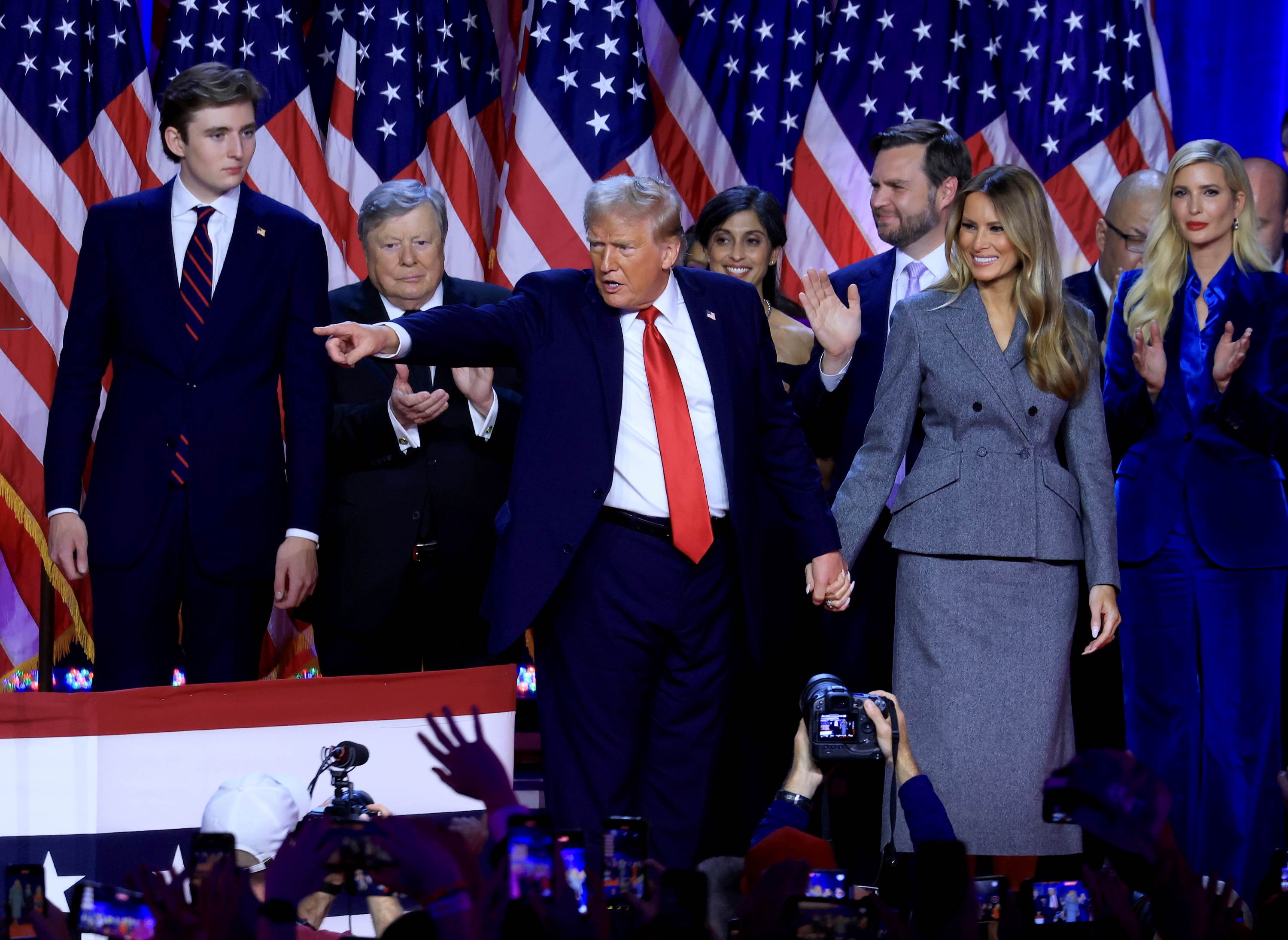
For the second time, Donald Trump has won yesterday's US presidential election. The Republican leader returns to the White House four years later, after a first term in office with climate policies that ran counter to scientific evidence. Among other controversial measures, he abandoned the Paris Agreement and repeatedly denied the existence of climate change. 

0