physics

physics

physics

Reaction to possible first direct observation of a magnetic switchback from the Sun
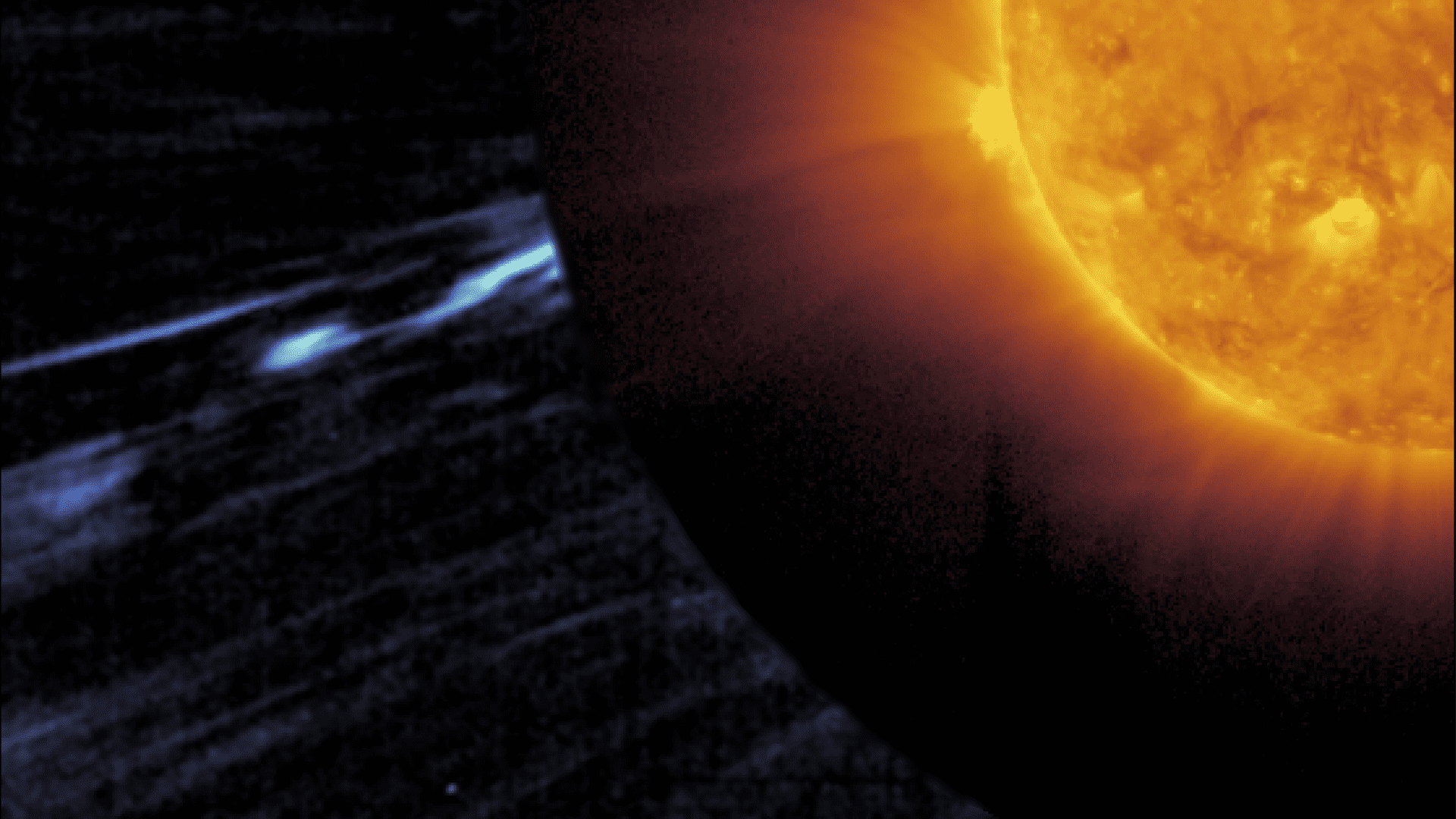
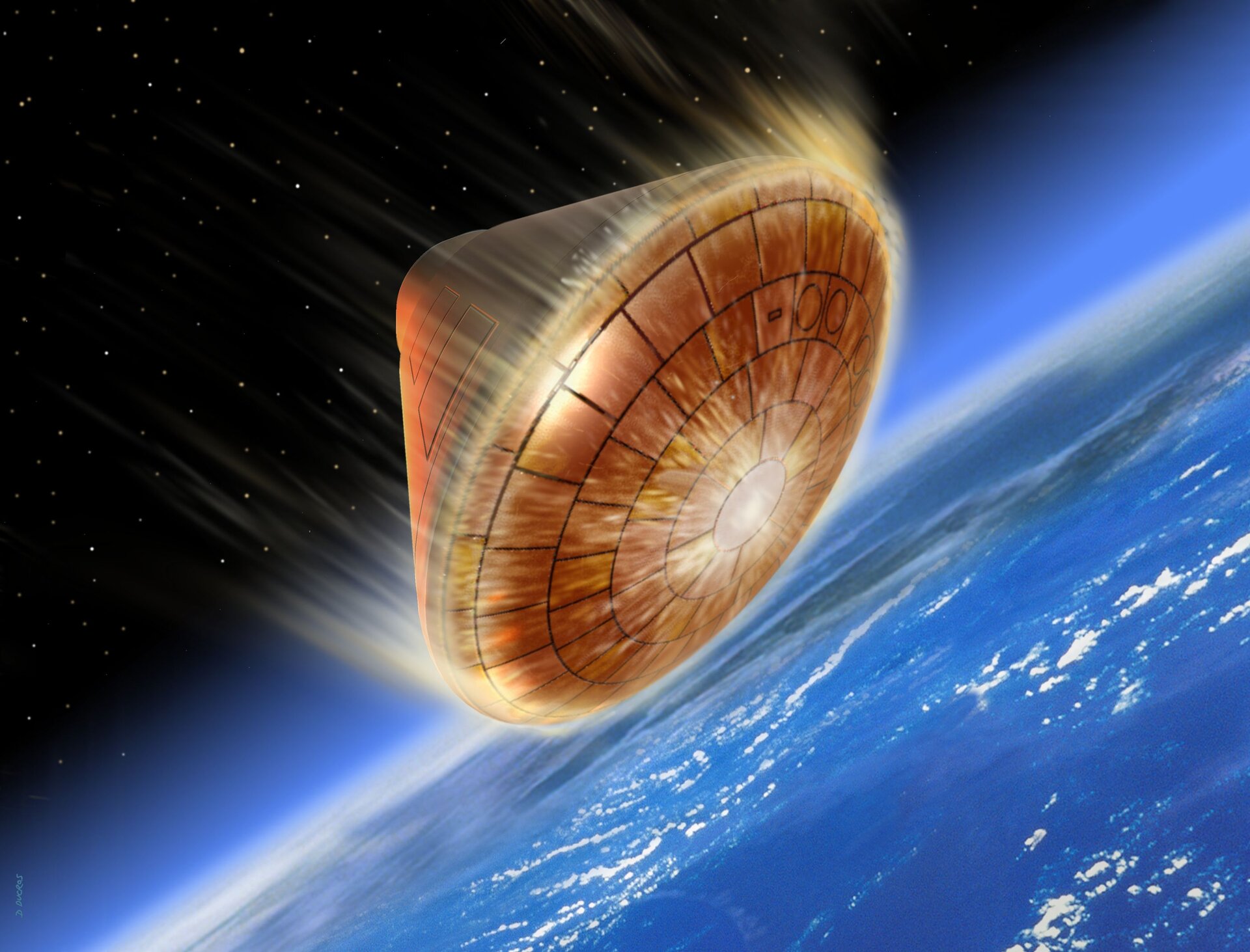
The ESA/NASA Solar Orbiter mission may have made the first direct observation of what are known as magnetic switchbacks on the Sun. The phenomenon, which consists of S-shaped disturbances that cause sudden reversals of its magnetic field, had been identified by different space probes since the 1970s, but its explanation had only been described theoretically. The finding is published in The Astrophysical Journal Letters.

0
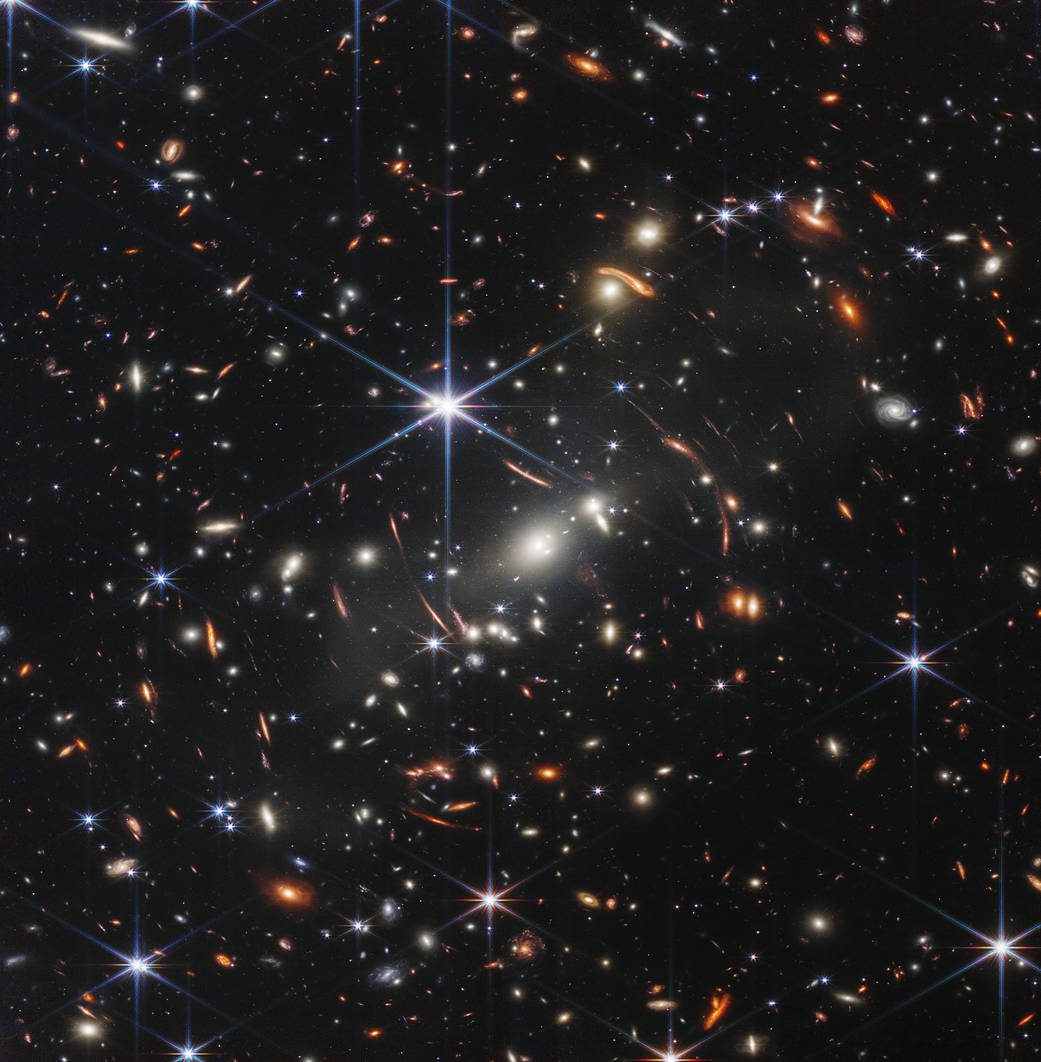
The deepest image of the distant universe, proof that James Webb will entertain for years to come

Romano Corradi, director of the Gran Telescopio de Canarias, assesses the deepest and sharpest infrared image of the distant universe taken by the James Webb Space Telescope, an international collaboration of the space agencies of the United States (NASA), Europe (ESA) and Canada (CSA).

1

Reaction to the announcement of the observation of a large ozone hole over the tropics

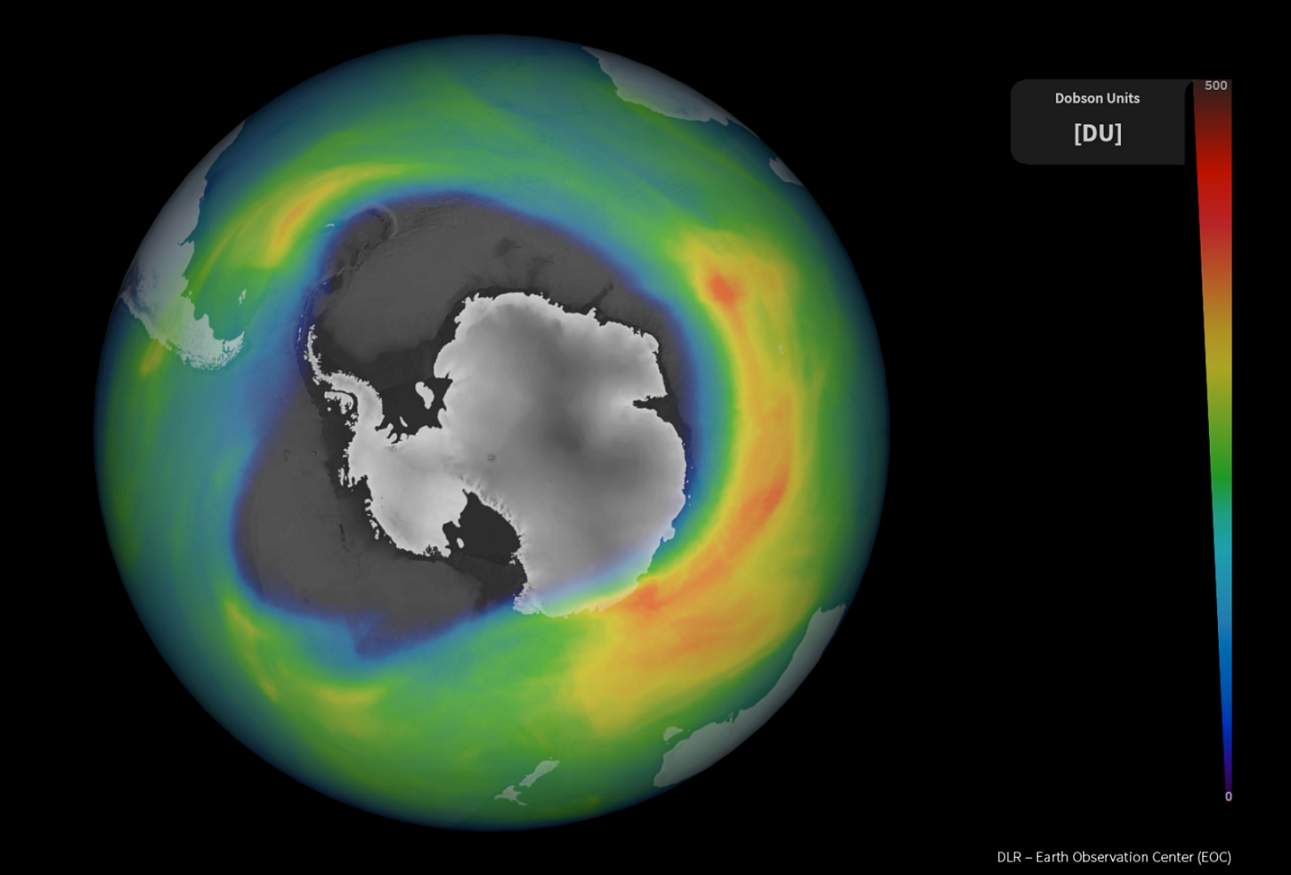
A publication in the journal AIP Advances reports the detection over the tropics of a large ozone hole, defined as an area where more than 25% of the usual ozone has been lost. The hole would be comparable in depth to the well-known hole over Antarctica, but would cover an area seven times larger.

Ten years since the discovery of the Higgs boson: how it changed the history of physics

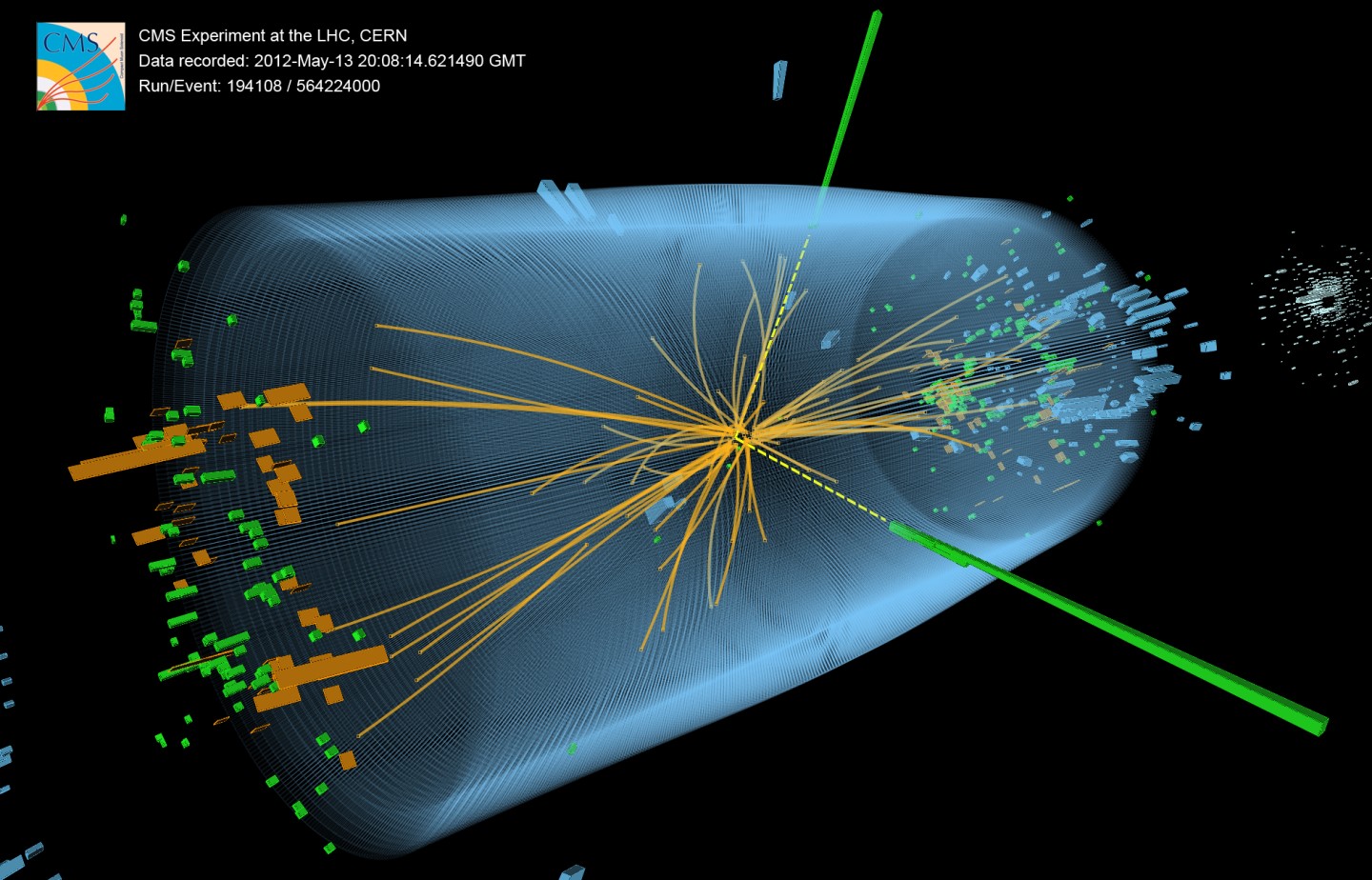
On 4 July 2012, physicists from all over the world celebrated the milestone achieved by CERN's Large Hadron Collider (LHC) in Geneva: they had found the elusive Higgs boson, described theoretically in 1964 and a key part of the standard model. Among the dozens of scientists who participated in that discovery, with the ATLAS and CMS experiments, there were many Spanish physicists, who ten years later appreciate what it meant.


0

What we have learned from the first image of Sagittarius A*

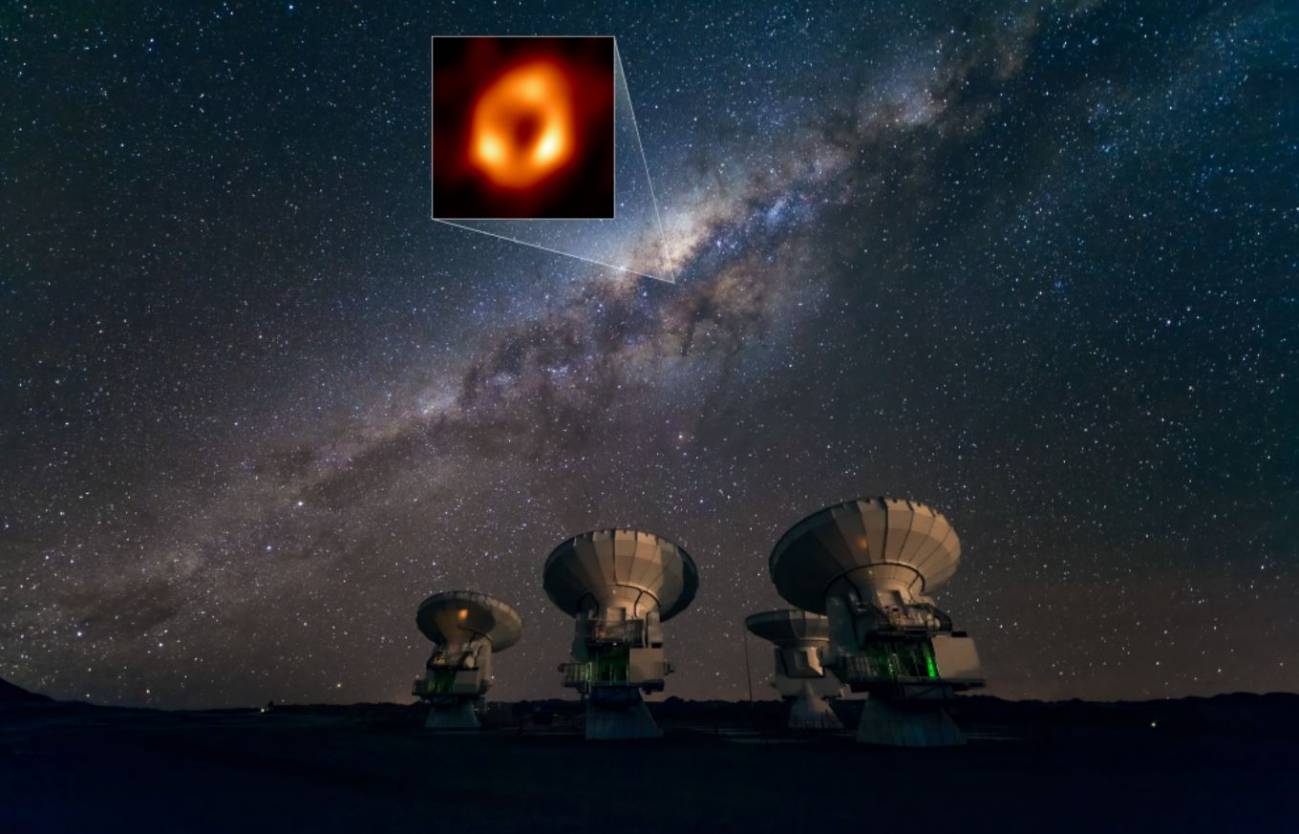
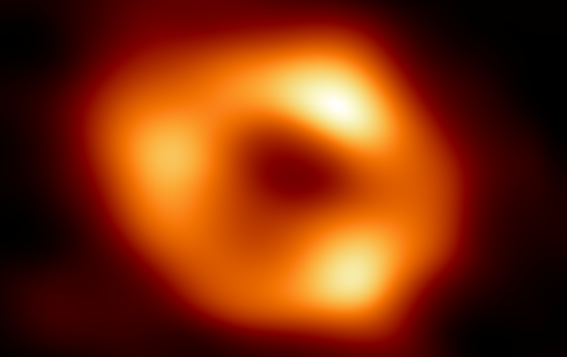
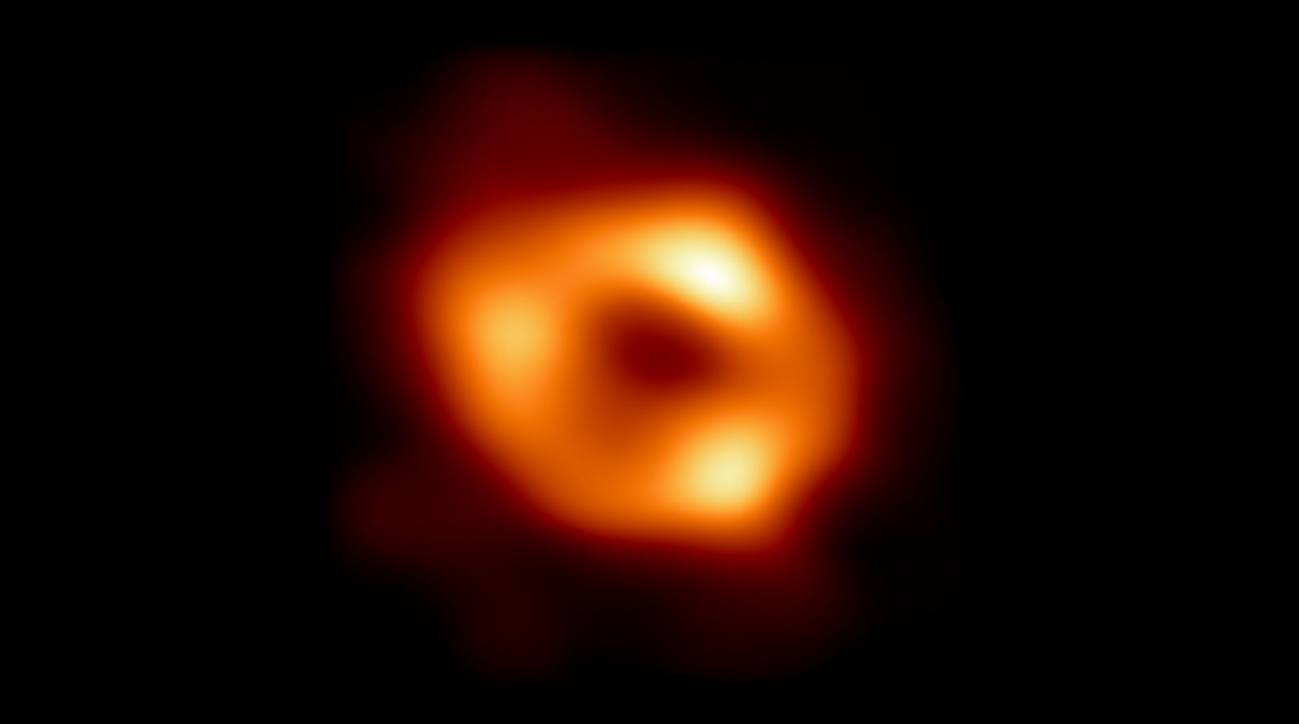
The first direct image of the black hole at the centre of our galaxy shows a 'monster' devouring matter at a slow pace. The black hole itself is spinning, and its spin axis is pointing just 30 degrees away from us. The result shows that the size of the black hole is proportional to the mass it contains, confirming the theory of general relativity. Xavier Barcons, ESO's Director General, assesses the new finding.

1

Europe moves step by step towards fusion as an energy source

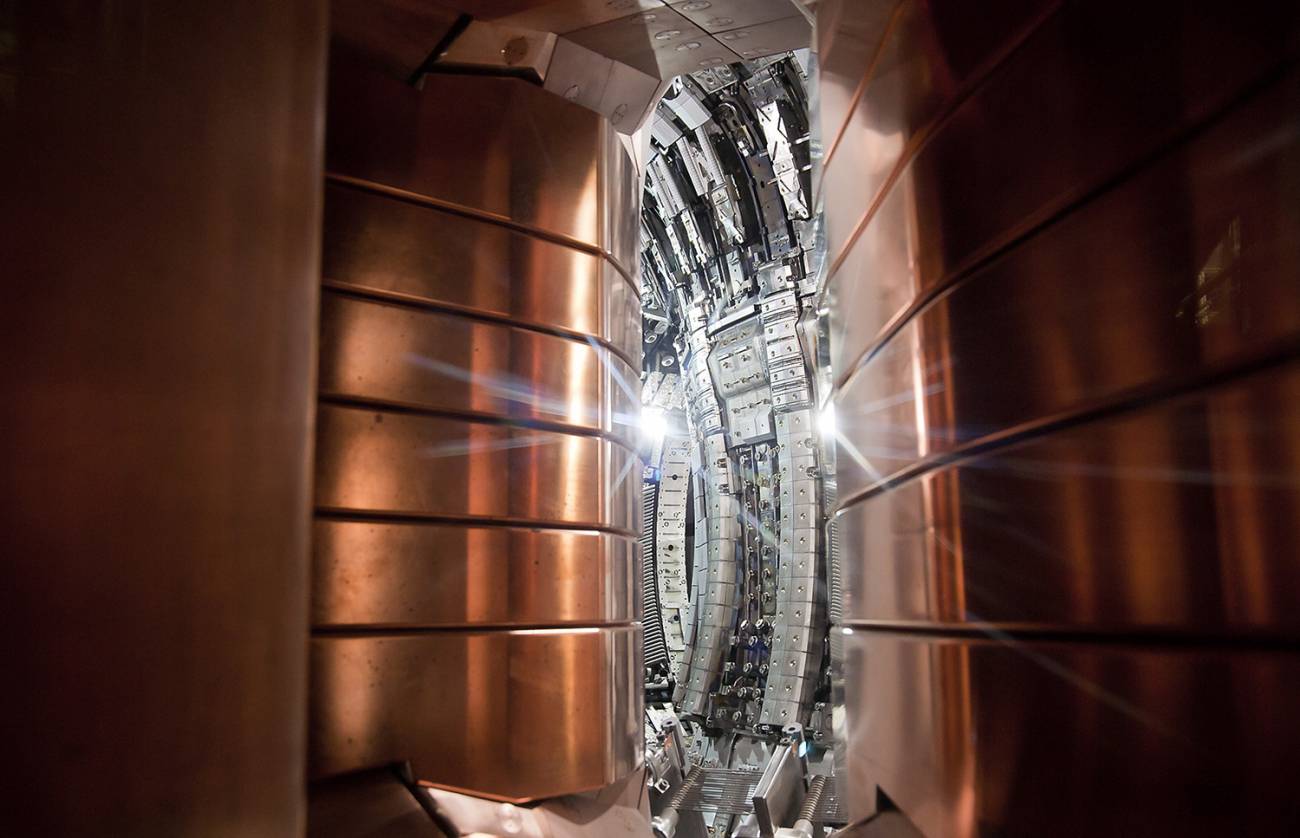
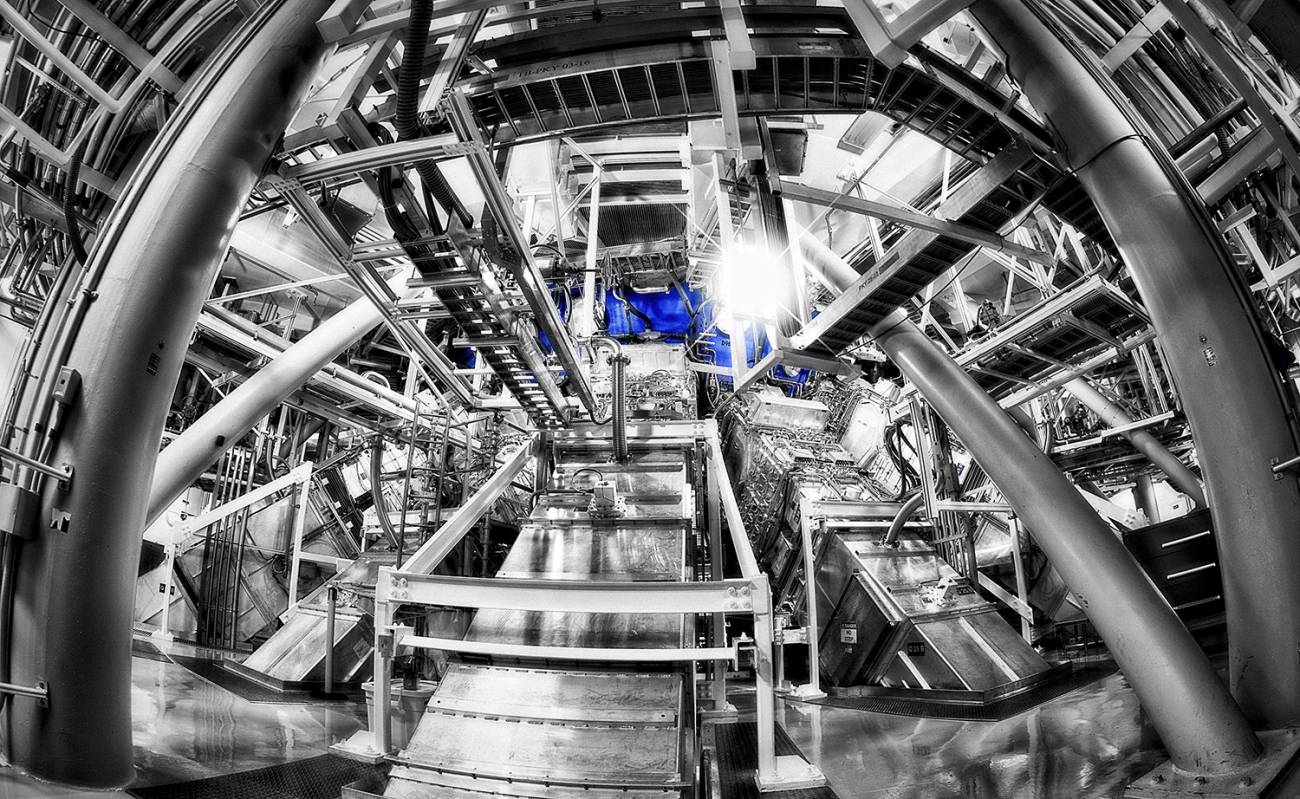
The Joint European Torus (JET) has achieved a relevant scientific milestone related to energy production from nuclear fusion reactions. The results confirm some of the technological options selected for the large international ITER experiment. Spain has proposed to build a scientific facility in Granada to develop materials with which to build future reactors.

1