physics

physics

physics

A vote is being held on whether to abandon the leap second, which is used to synchronize atomic time with astronomical time
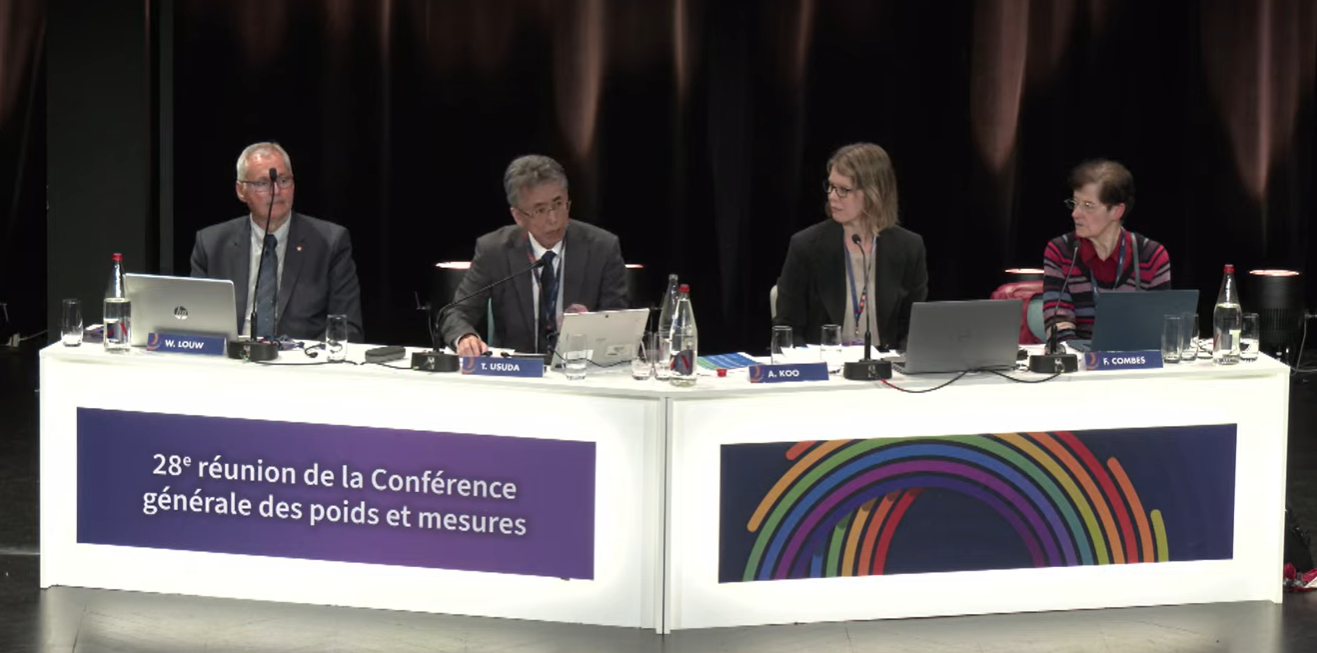
Since the 1970s, so-called leap seconds have been periodically added to clocks—a measure designed to keep traditional astronomical time aligned with high-precision atomic time. However, adding an extra second can disrupt global technological infrastructure, leading to website outages and network failures. In 2022, a decision was made to abandon this practice starting in 2035. This week, during the 28th General Conference on Weights and Measures—which begins today in Versailles, France—a vote will be held on a proposal by timekeeping experts to stop adding leap seconds as early as 2027.

0
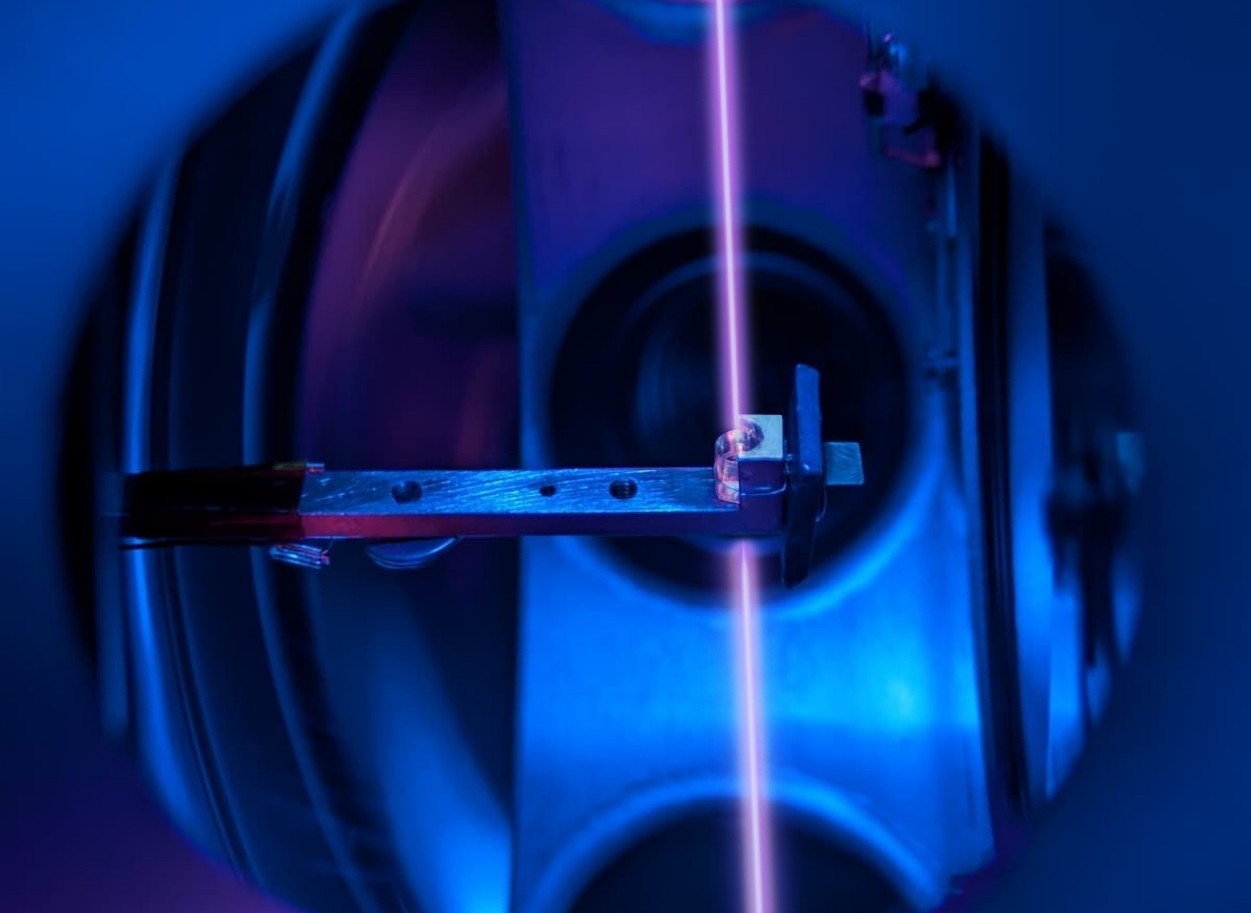
The first thorium-229-based nuclear clocks are unveiled

Two independent studies published simultaneously in Nature claim to have developed the first functional nuclear clocks, both based on thorium-229 isotopes. Although their current stability is lower than that of the best atomic clocks, the authors maintain that future research could increase it by around four orders of magnitude, which would facilitate research in the field of fundamental physics.


0

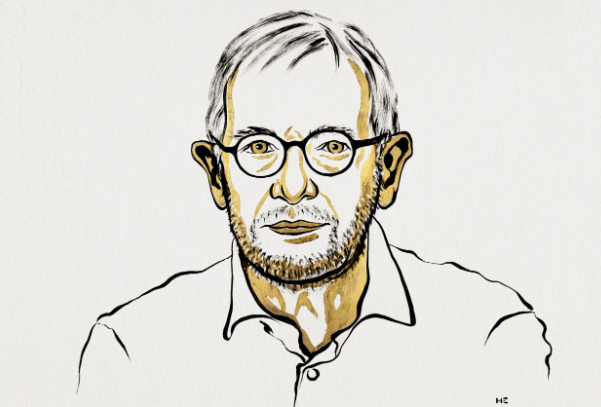
Nobel Prize in Physics Awarded to Francis Halzen for the discovery of high-energy neutrinos of astrophysical origin and for his “decisive contributions” to the IceCube Observatory

The Royal Swedish Academy of Sciences has awarded the Nobel Prize in Physics to Francis Halzen, the driving force behind the idea of using ice at the South Pole to detect particularly elusive particles known as neutrinos. According to the Academy, his “decisive contributions” have been fundamental to the development of the IceCube Neutrino Observatory: a cubic kilometer of ice equipped with light sensors that allows the scientific community to detect neutrinos originating from extremely high-energy processes in the distant universe, laying the groundwork for an entirely new field of astronomy. 

0

A noninvasive optical technique that makes it possible to determine the sex of chicks while they are still in the eggs

An article published in the journal Newton, part of the Cell Press group, has studied the optics of chicken eggs using a noninvasive technique known as time-domain diffuse optical spectroscopy. This technique is used to determine the absorption and scattering properties of the material based on the distribution of photons within the shell. The study shows that photons bounce off the shell numerous times inside the egg, making it possible to inspect its interior, determine whether the eggs have been fertilized, and detect the sex of the embryos. According to the research team, this technique could prevent the current culling of millions of male chicks at birth—since they do not lay eggs and are not profitable for the industry.

0

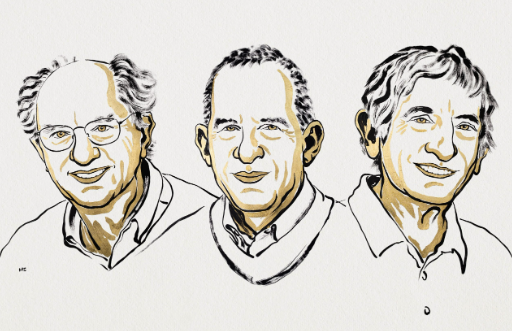
Nobel Prize in Physics awarded to John Clarke, Michel H. Devoret and John M. Martinis for their experiments with a chip that revealed quantum physics in action

The Royal Swedish Academy of Sciences has awarded the 2025 Nobel Prize in Physics to John Clarke, Michel H. Devoret, and John M. Martinis, who demonstrated both the quantum tunnelling effect and quantised energy levels in a system small enough to fit in the palm of your hand. These advances have served to develop the next generation of quantum technology, including quantum cryptography, quantum computers and quantum sensors.


0

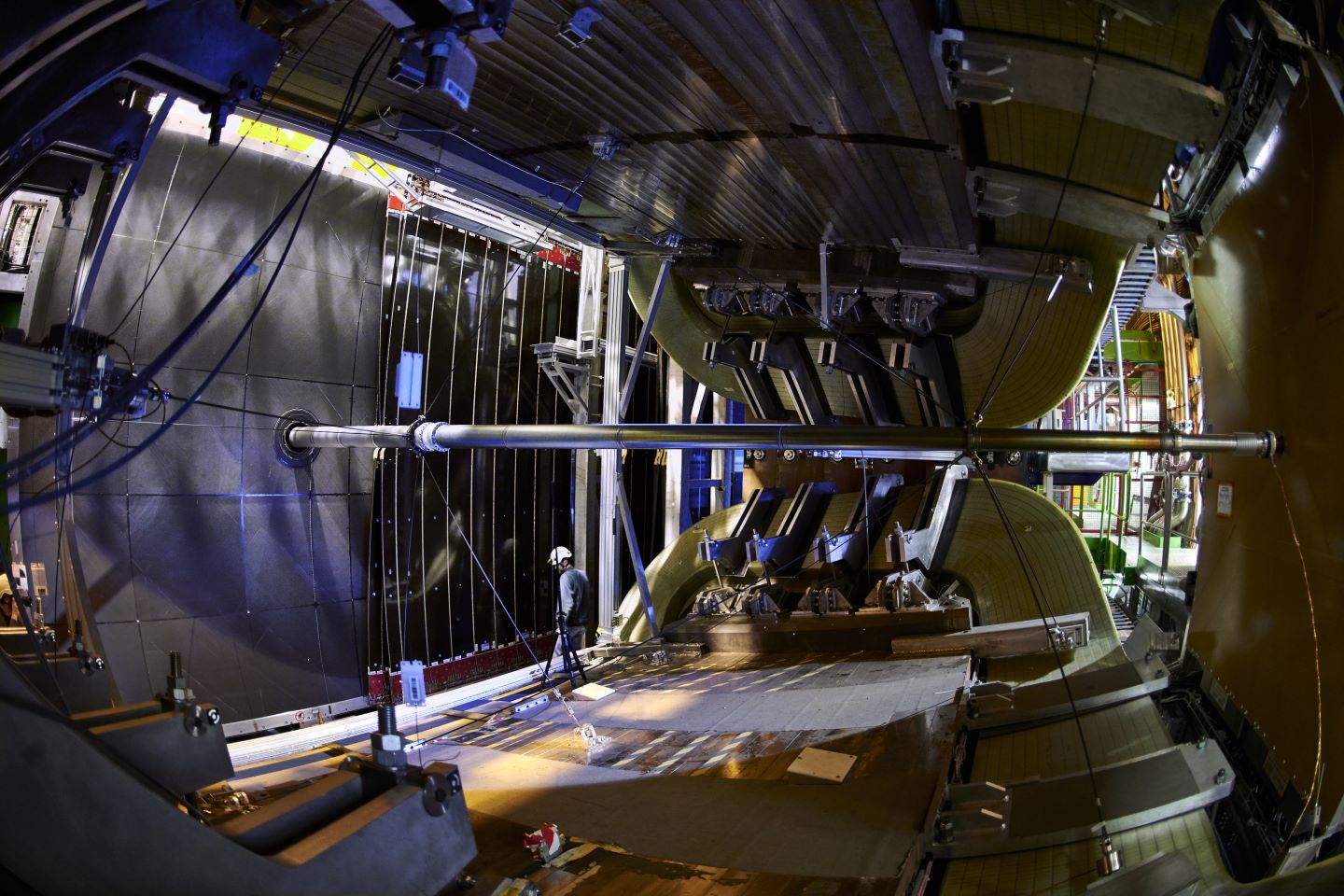
CERN's LHCb observes matter-antimatter asymmetry in baryons for the first time

Cosmological models suggest that matter and antimatter were created in equal amounts in the Big Bang, but in the current universe matter seems to predominate over antimatter. This imbalance is believed to be due to differences in the behaviour of the two, a violation of symmetry known as CP violation. This effect was predicted by the Standard Model of Physics and observed experimentally in mesons more than 60 years ago. Now, the LHCb collaboration at CERN, which includes significant Spanish participation, has observed this phenomenon for the first time in the decay of baryons, particles that make up most of the matter in the observable universe. The study is published in Nature.

0

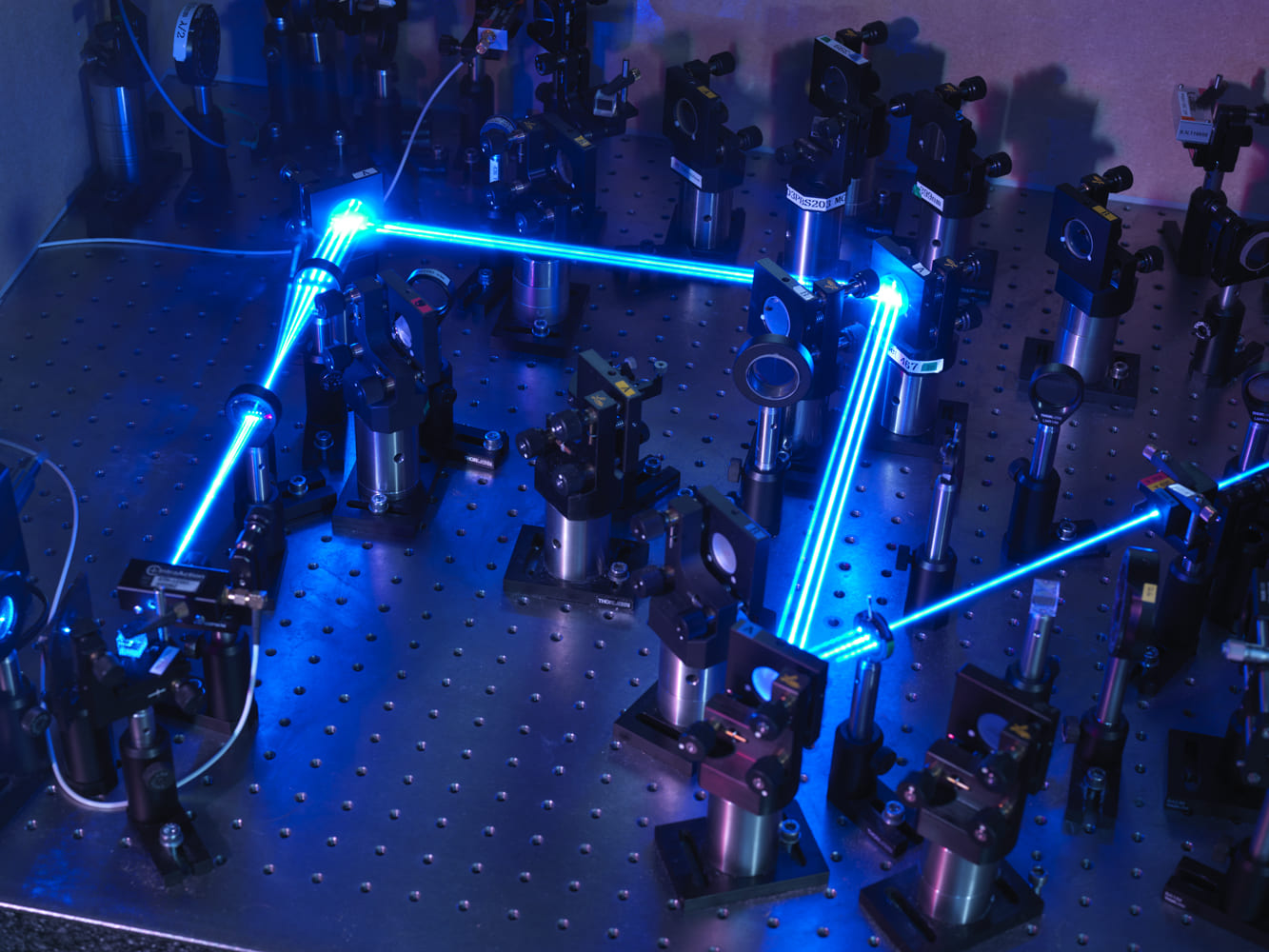
A network of optical clocks opens the door to redefining the second

A team of researchers has performed the most comprehensive coordinated comparison of optical clocks - a type of high-precision atomic clock - to date, running them simultaneously in six different countries. According to the authors, who publish the results in the journal Optica, the work “supports progress toward a redefinition of the second” and could serve to “develop entirely new applications and advance scientific projects that depend on time and frequency.”

0

Quantum messages successfully sent using commercial telecommunications network

An international team has successfully sent quantum messages 254 kilometres away using an existing telecommunications network in Germany. A quantum Internet would theoretically be faster and more secure, and this demonstration suggests that this type of communication can be achieved in real-world conditions. The results are published in the journal Nature.

0

Analysis of how the human tide of the chupinazo in San Fermín moves, which could prevent accidents

Thousands of people congregate at the San Fermín festival in Pamplona. By analysing camera images from the Plaza Consistorial during the chupinazo in four editions, a team has modelled what the movement of this human tide looks like. The physical theory of dense crowds can be applied in other circumstances, say the authors, who include scientists from the University of Navarra. In their paper published in Nature, they offer a strategy to anticipate these movements in real time and help prevent events such as avalanches.

0

2025 is the International Year of Quantum Science and Technology: this guide will help you understand what they are and what they are for

UNESCO has proclaimed 2025 as the International Year of Quantum Science and Technology. This initiative aims to ‘raise public awareness of the importance of quantum science and its applications’, as well as to celebrate and recognise 100 years since the initial development of quantum mechanics. But why is this scientific discipline so relevant? We explore with experts the key issues and the impact of quantum science and technology on the development of our society.


0