cosmology

cosmology

cosmology

The Fermi space telescope detects gamma rays that could come from the decay of dark matter particles
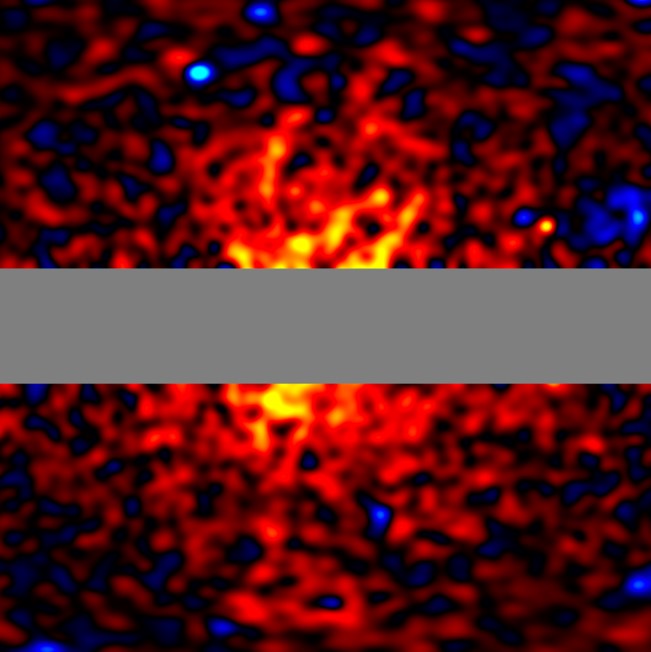
A century ago, astronomer Fritz Zwicky observed that galaxies were moving faster than their mass should allow, leading him to infer the presence of an invisible structure, dark matter. Since the particles that make up dark matter do not interact with electromagnetic force, they cannot be observed directly, as they do not absorb, reflect, or emit light. Now, NASA's Fermi space telescope has found specific gamma rays in the center of the Milky Way that are consistent with the decay of theoretical dark matter particles, although they could also come from other sources. “If this is correct, to my knowledge, it would be the first time that humanity has ‘seen’ dark matter,” said study author Tomonori Totani in a press release. The article is published in the Journal of Cosmology and Astroparticle Physics.
0

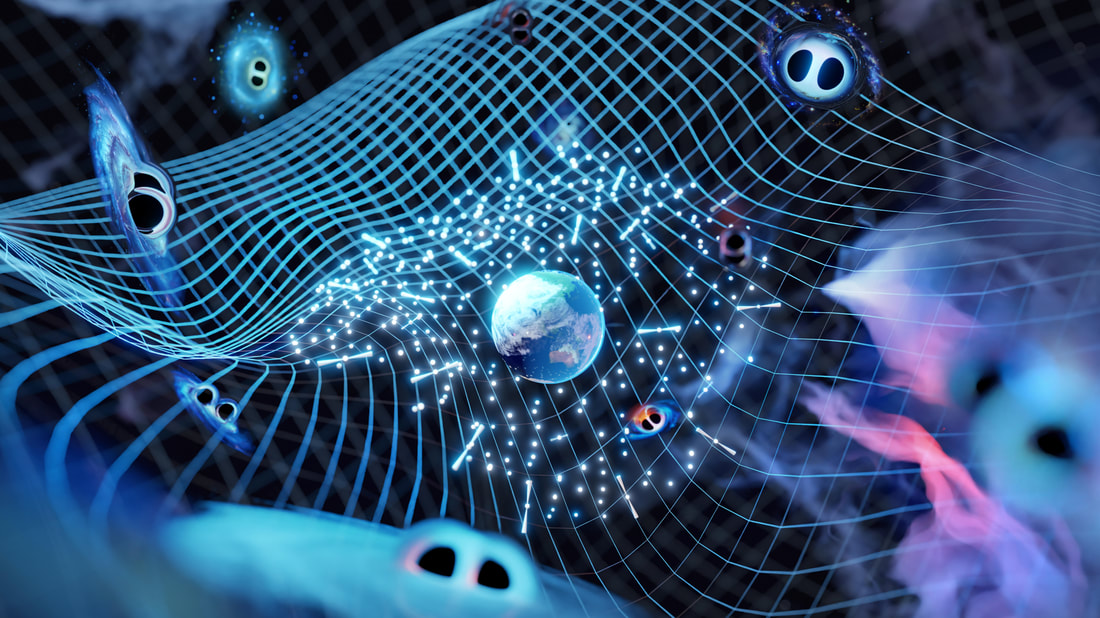
Reactions: evidence found of a cosmic background of gravitational waves possibly produced by supermassive black hole collisions

The International Pulsar Timing Array (IPTA) consortium has discovered evidence for the existence of a cosmic background of gravitational waves. The results, published by different IPTA consortia in several scientific journals, would show that this cosmic background would be the result of collisions of supermassive black holes. In 2015, researchers from the LIGO and Virgo collaborations made the first direct observation of gravitational waves caused by the collision of two stellar-mass black holes. These waves oscillate several times per second. What the consortia have now found are gravitational waves emitted by supermassive binary black holes at the centre of galaxies, waves that oscillate on timescales of many years.

0

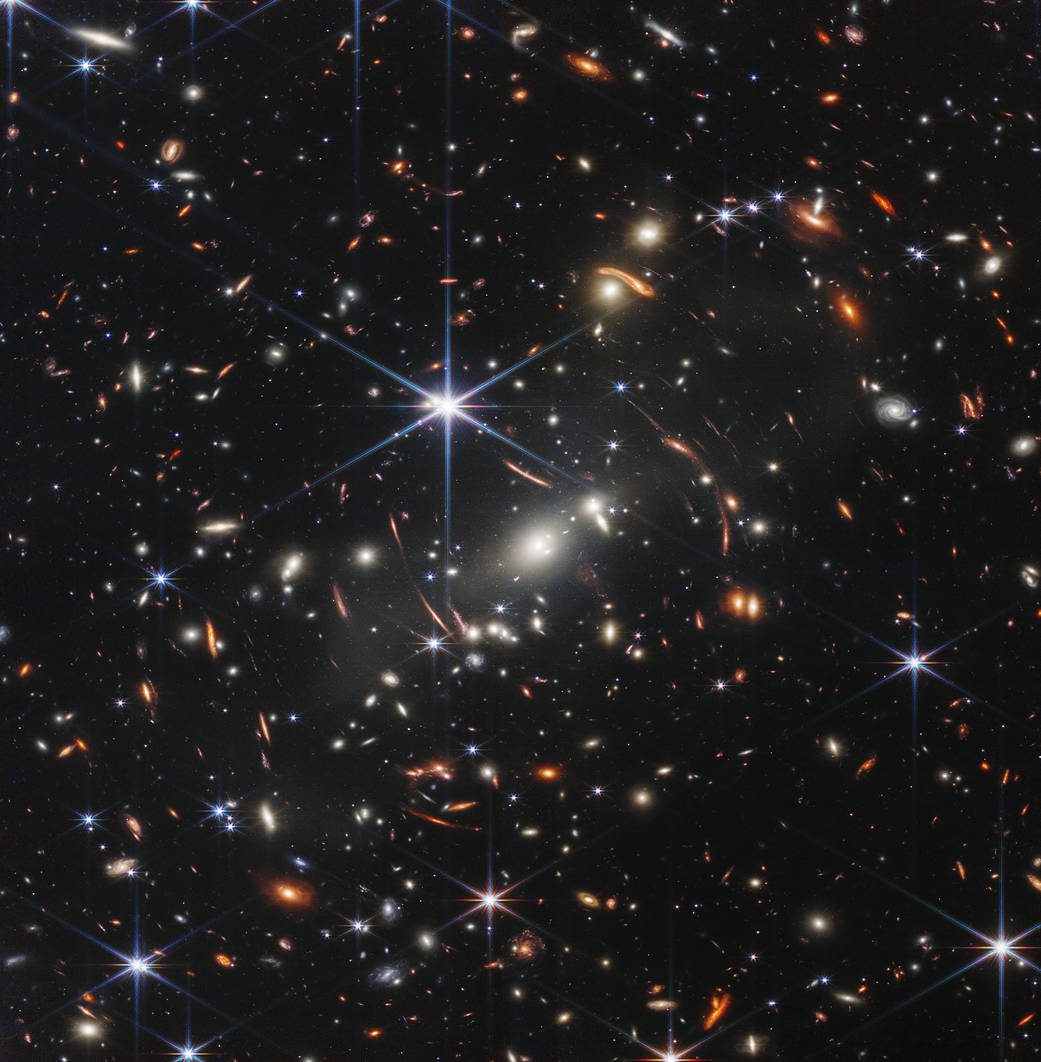
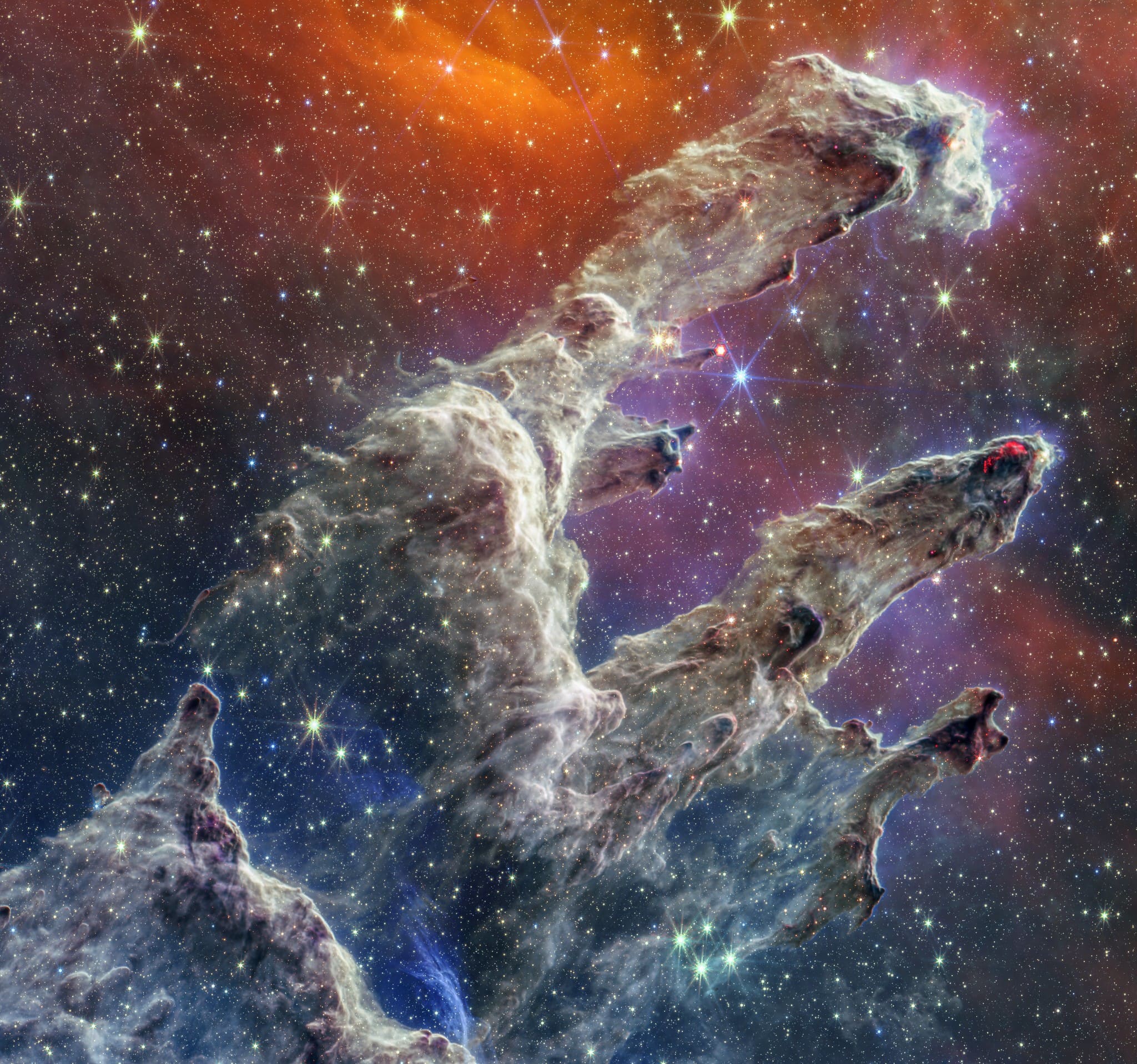
The deepest image of the distant universe, proof that James Webb will entertain for years to come

Romano Corradi, director of the Gran Telescopio de Canarias, assesses the deepest and sharpest infrared image of the distant universe taken by the James Webb Space Telescope, an international collaboration of the space agencies of the United States (NASA), Europe (ESA) and Canada (CSA).

1

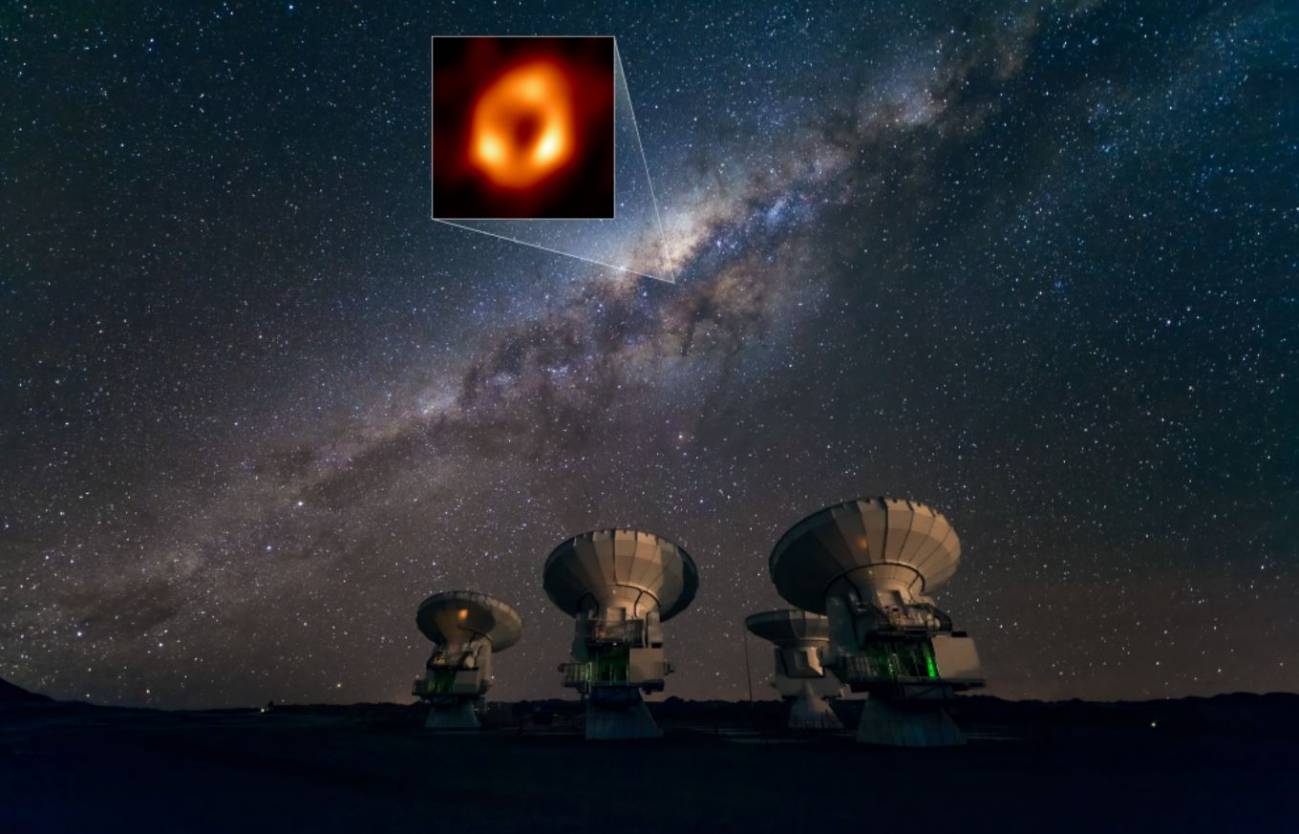
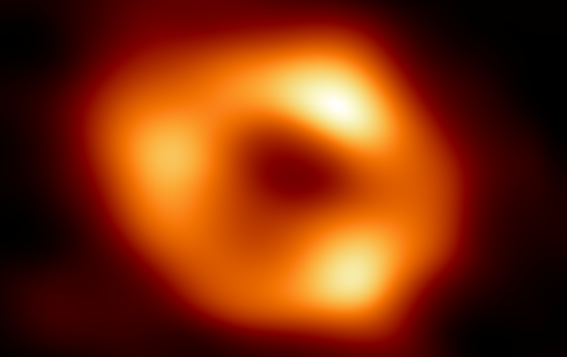
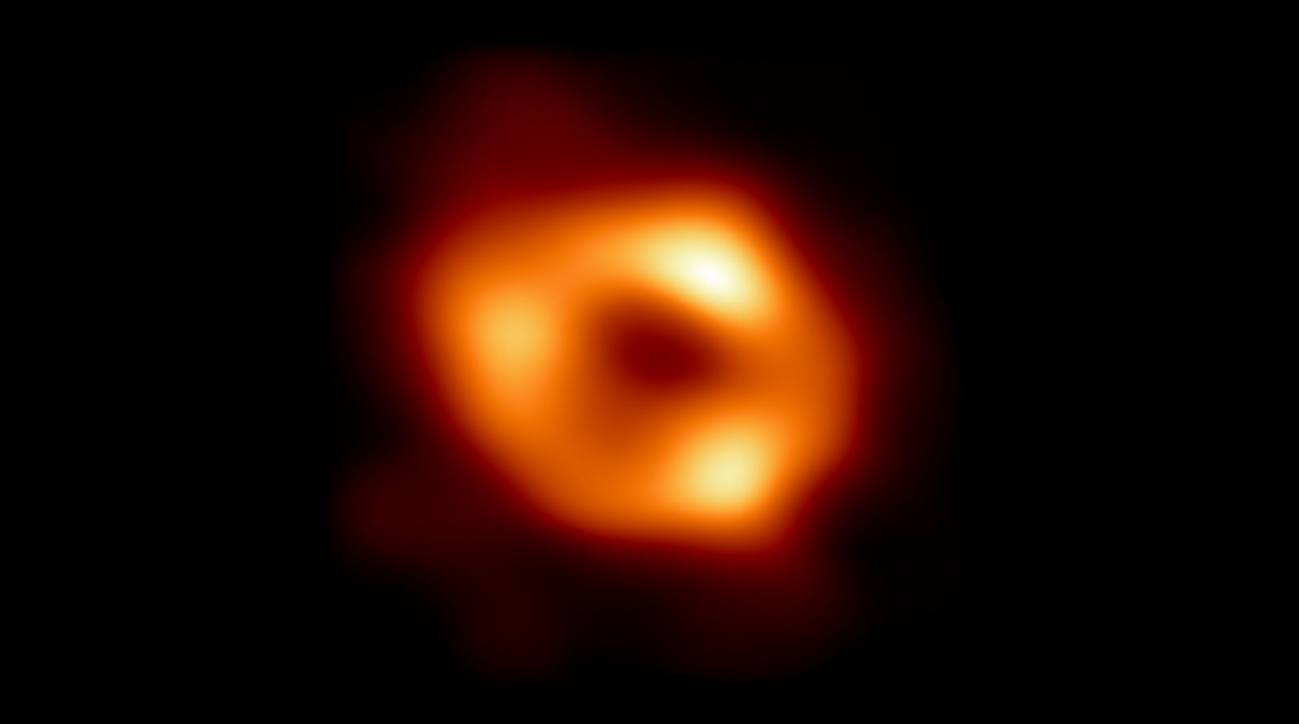
What we have learned from the first image of Sagittarius A*

The first direct image of the black hole at the centre of our galaxy shows a 'monster' devouring matter at a slow pace. The black hole itself is spinning, and its spin axis is pointing just 30 degrees away from us. The result shows that the size of the black hole is proportional to the mass it contains, confirming the theory of general relativity. Xavier Barcons, ESO's Director General, assesses the new finding.

1