immunology

immunology

immunology

Humans may already have antibodies capable of recognizing avian influenza virus, study shows

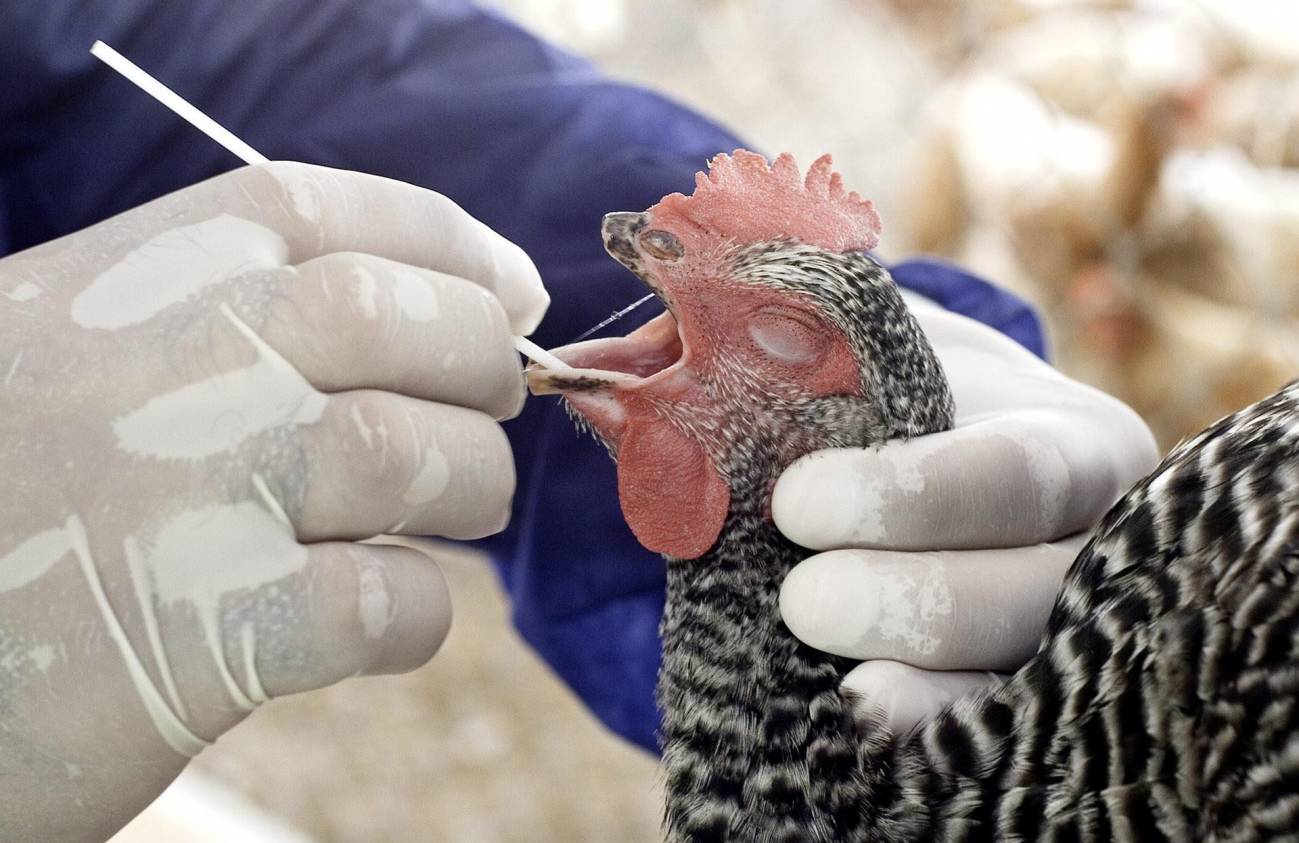
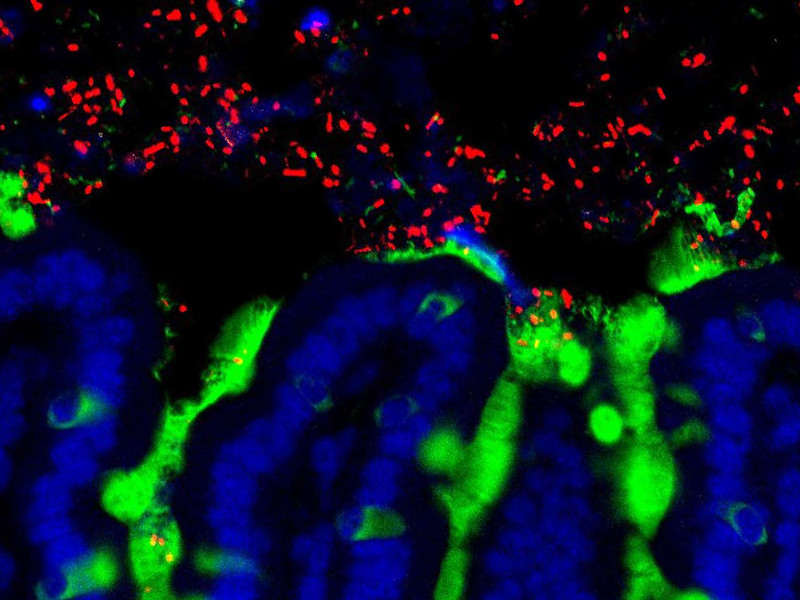
A team of researchers from the USA has analyzed the B lymphocytes of seven healthy people in whom no exposure to H5 influenza viruses, such as the avian flu virus, had been documented. The results show that they present antibodies capable of recognizing this type of virus, which, according to the authors, could represent “a first line of defense” in the event of a pandemic. The results are published in the journal Science Immunology.

0

What is inflammation: a guide to information and how to avoid falling for ineffective remedies

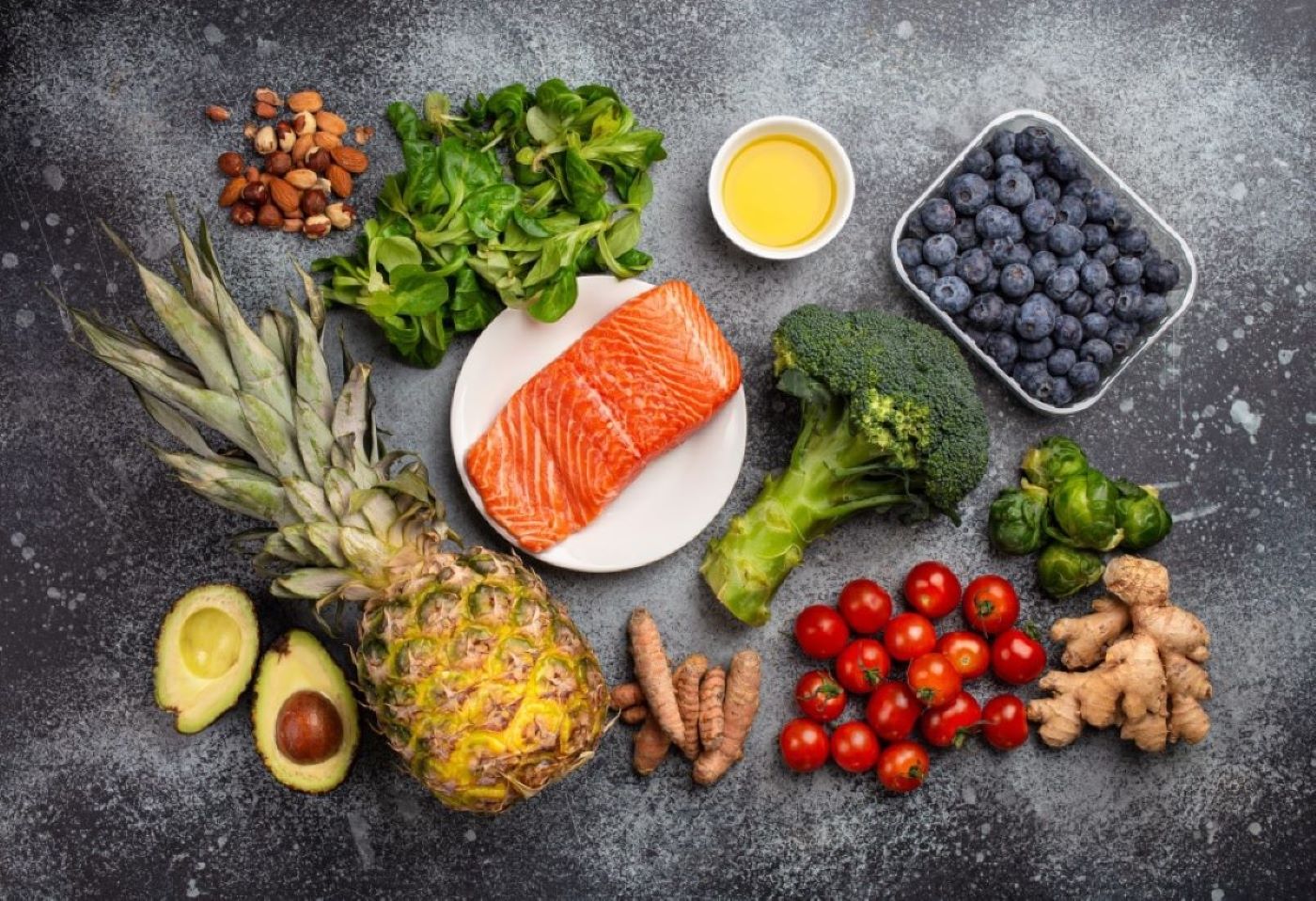
Inflammation is all the rage. In fact, anti-inflammatory diets that claim to fight it. This is attested to by best-selling books and influencers, ready to give us the latest tips on how to lose weight, or rather, how to reduce inflammation. But what's the truth in all this, and what does inflammation have to do with being overweight? 

0

WHO estimates impact of vaccines in reducing deaths from antimicrobial resistance

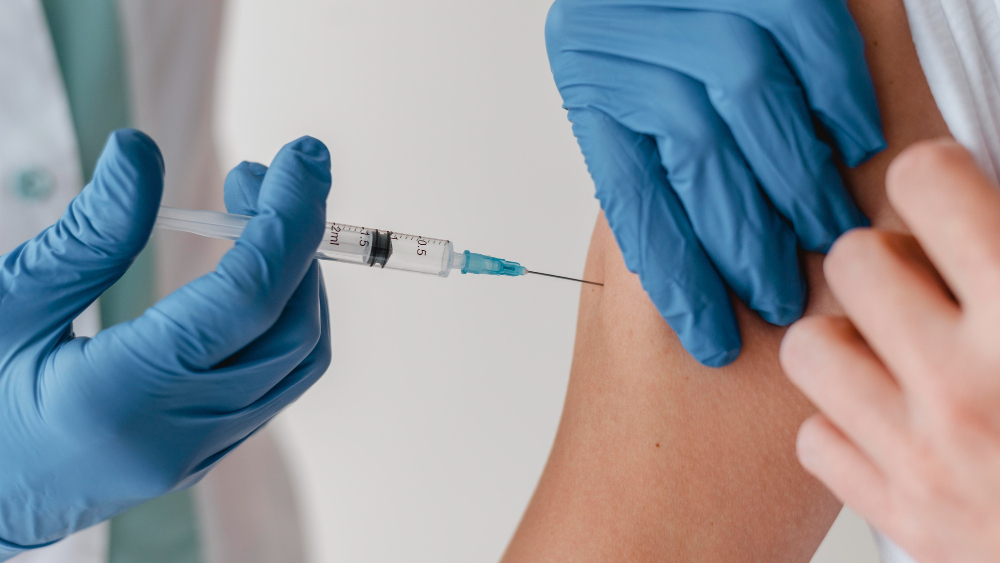
Antimicrobial resistance caused around 5 million deaths worldwide in 2019. The use of vaccines has the potential to reduce these deaths - 515,000 fewer deaths per year - according to a report published by the WHO. The work focused on 24 pathogens and 44 vaccines, licensed by regulatory agencies, in clinical development or in development. By counting existing vaccines alone, antibiotic use could be reduced by 142 million daily doses per year.  

0

Global child immunisation levels stagnate in 2023, according to WHO and UNICEF data

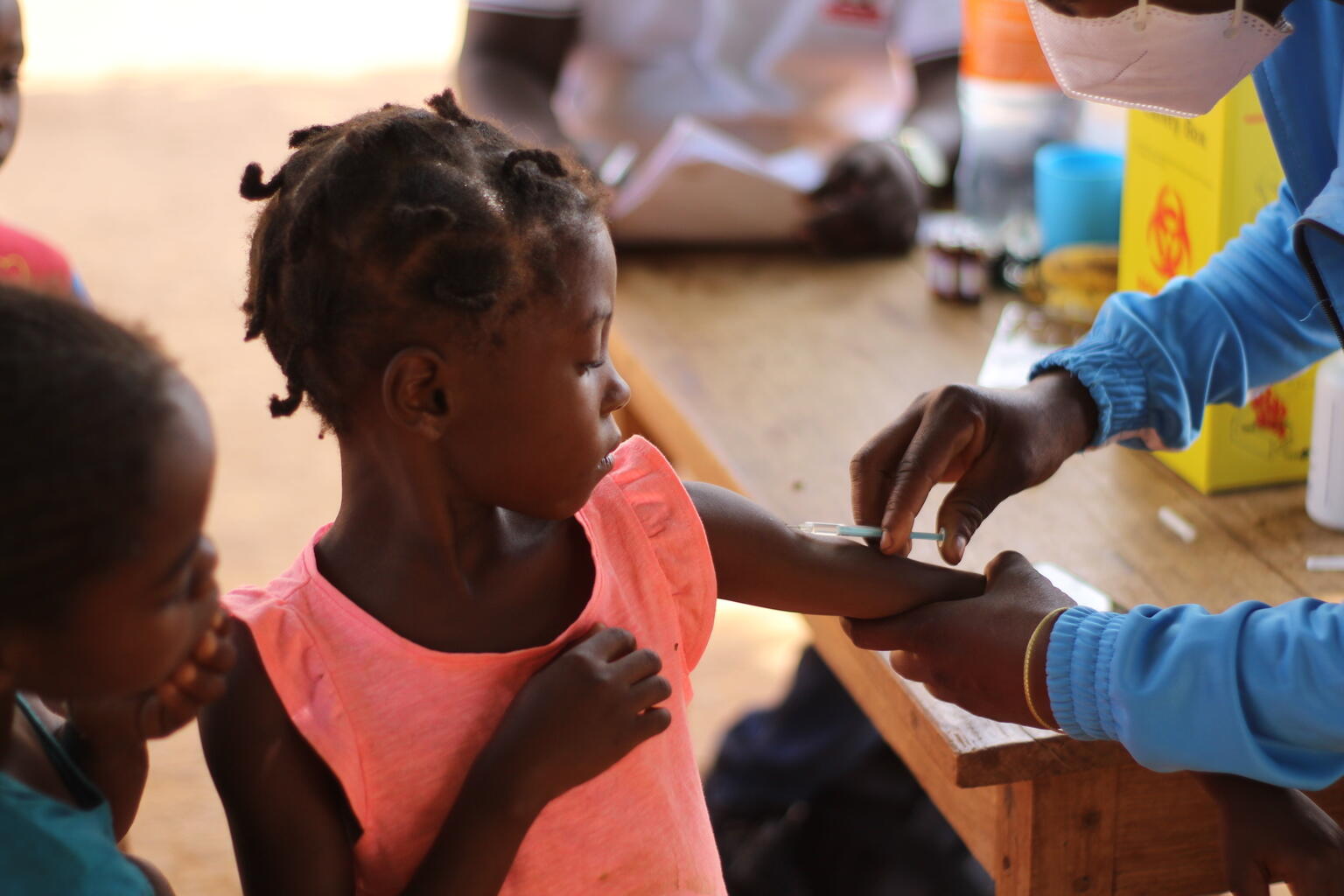
Global childhood immunisation coverage stagnated in 2023, with 2.7 million more children unvaccinated or under-vaccinated than at pre-pandemic levels in 2019. This is one of the data published by the World Health Organization (WHO) and UNICEF in the World Health Organization's Worldwide Estimates of National Immunisation Coverage (WUENIC), which captures global vaccination trends against 14 diseases. More than half of unvaccinated children live in 31 countries with fragile and conflict-affected environments. 

0

Reactions: tobacco alters the immune response even in the long term

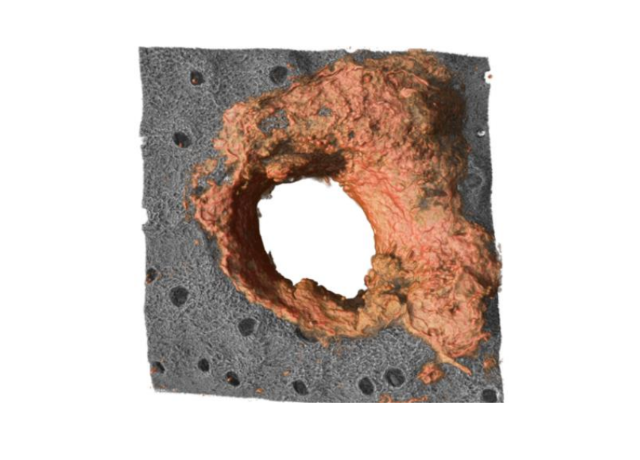
A study has analysed more than 100 environmental factors and their impact on the immune response. After studying about a thousand volunteers, its conclusions are that smoking is the factor that causes the most alterations in defences. While some changes are transient, others may remain for years after quitting. The results are published in the journal Nature.

0

Reaction: Beef and dairy products have nutrients that enhance the immune response to cancer

A fatty acid present in the meat and dairy products of grazing animals, such as cows and sheep – trans-vaccenic acid (TVA) – enhances the ability of CD8+ T cells to infiltrate tumors and eliminate cancer cells, according to a new study conducted by researchers from the University of Chicago (USA), published today in the journal Nature.

0