global warming

global warming

global warming

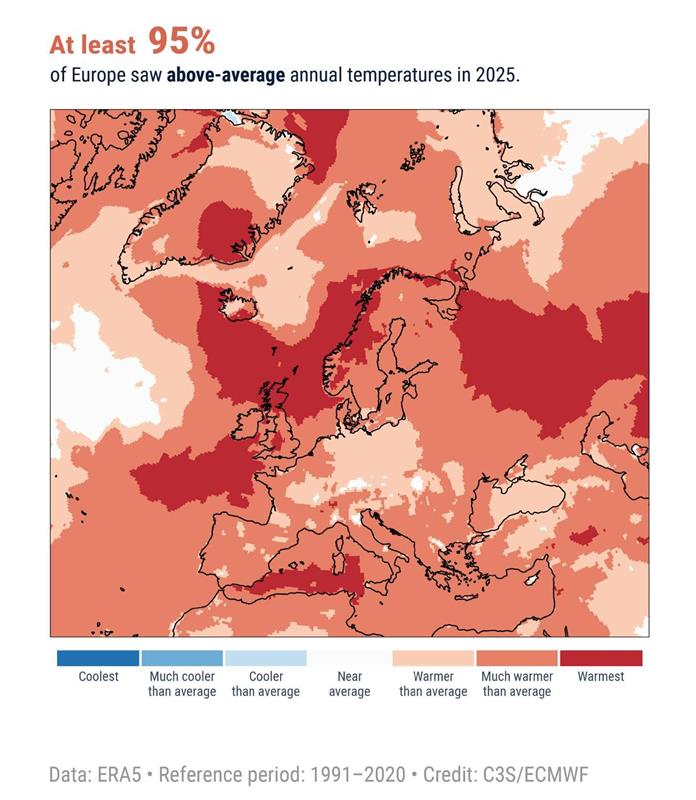
95% of Europe experienced above-average annual temperatures in 2025

Rapid warming in Europe is reducing snow and ice cover, while very high air temperatures, drought, heatwaves, and record ocean temperatures are affecting regions from the Arctic to the Mediterranean. These are the main findings of the State of the Climate in Europe (ESOTC) 2025 report, prepared by the European Centre for Medium-Range Weather Forecasts (ECMWF), which operates the Copernicus Climate Change Service, and by the World Meteorological Organization (WMO). The data show that 95% of the continent recorded above-average annual temperatures last year, and river flows were below average for 11 months.

0

Scientists have observed for the first time that heat from the ocean depths is moving towards Antarctica

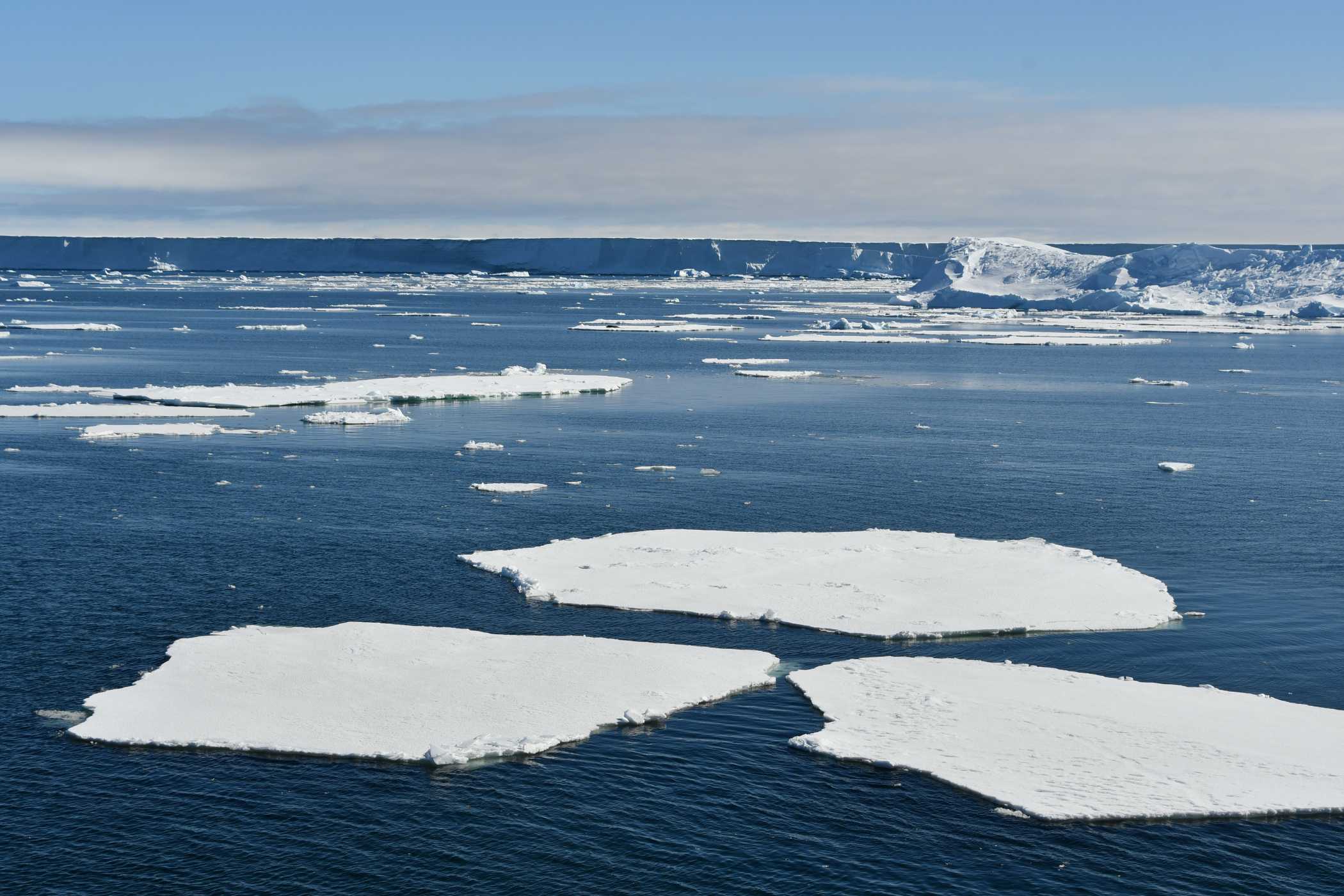
A new study, based on oceanographic data collected by ships and robotic floating buoys over several decades, provides the first evidence that a warm mass of deep circumpolar water is approaching Antarctica, threatening the fragile ice shelves that border it from below. This warming in the Southern Ocean has implications not only for Antarctic ice melt and sea-level rise, but also for global heat regulation, carbon storage and the global climate system. The study is published in Communications Earth & Environment.


0

Sea level rise may be higher than previously thought, according to a study

Researchers have reviewed nearly 400 scientific articles related to sea level rise and associated risks and concluded that most studies may have underestimated global sea level rise by an average of 0.3 meters. In some areas of the Global South, these levels could be up to 1 meter higher than previously thought. According to the authors, a reassessment of the methodology used to characterize the impact of sea level rise is necessary, as this could have implications for policy, climate finance, and coastal adaptation plans. The study is published in Nature.

0

Antarctica loses 12,800 km² of coastline over 30 years

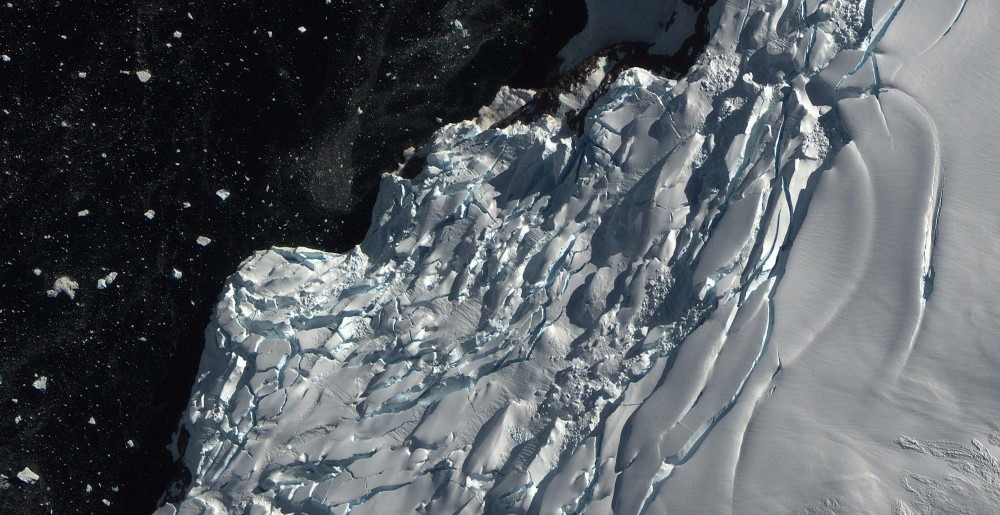
The transition zone between land and sea in glaciers is an indicator of their stability. An analysis of satellite measurements from 1992 to 2025 has shown that 77% of Antarctica’s coastline has experienced no change. The 23% that did see a reduction in area was concentrated in regions where deep troughs allow access to warmer waters and where the bed slopes inland. These include the Antarctic Peninsula, Wilkes and George V Lands, and West Antarctica, where retreat of this transition line ranged between 10 and 40 km. A total of 12,800 km² of ice has been lost —an area roughly equivalent to almost half the size of Galicia— most of it in West Antarctica. The results are published in the journal PNAS.

0

A new study concludes that climate change intensified the flooding caused by the dana in Valencia in 2024

Human-induced climate change amplified the intensity and extent of the rainfall that affected Valencia during the October 2024 dana, according to a new attribution study involving several Spanish research centres. Using climate simulations, the study, published in Nature Communications, shows that present-day global warming conditions increased precipitation intensity by 21 %, expanded the area receiving more than 180 millimetres of rain by 56 %, and raised the total rainfall volume in the Júcar River basin by 19 % compared to a pre-industrial scenario. The authors highlight “the urgent need for effective adaptation strategies and improved urban planning to reduce the growing risks associated with extreme hydrometeorological events in a rapidly warming world.”

0

2025 was the third warmest year on record

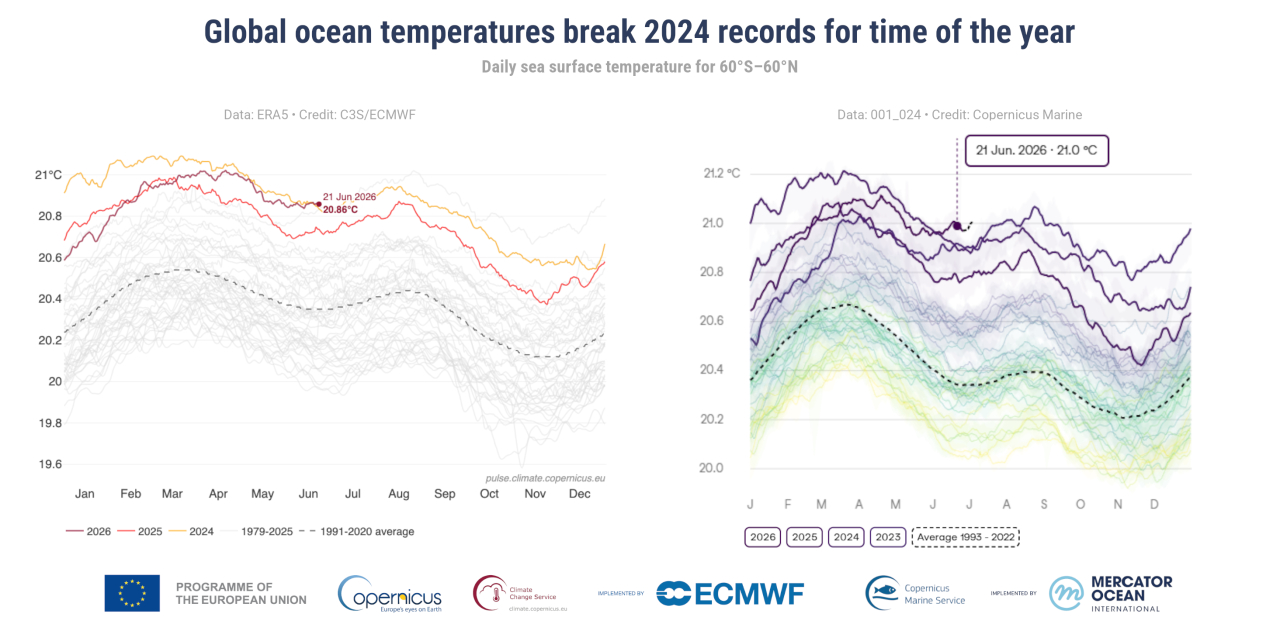
According to data published by the European Centre for Medium-Range Weather Forecasts (ECMWF), which manages the Copernicus Climate Change Service, last year was the third warmest on record. Globally, the last 11 years have been the 11 warmest since records began, and global temperatures for the last three years (2023-2025) have exceeded, on average, 1.5°C above pre-industrial levels (1850-1900). This is the first time a three-year period has surpassed the 1.5°C threshold.

0

Extreme weather events in 2025 pushed adaptation capacity to its limits

In 2025, climate change drove extreme weather events around the world, disproportionately affecting vulnerable and marginalised communities. In addition, global temperatures were exceptionally high, heatwaves were significantly more intense than 10 years ago, and millions of people were pushed to the limits of their ability to adapt. These are the main conclusions of the 2025 report published by the World Weather Attribution initiative, whose experts believe that ‘drastically reducing fossil fuel emissions remains the key policy for avoiding the worst impacts of climate change’.


0

COP30 ends with a minimal agreement, leaving out any mention of fossil fuels

One day after the deadline, COP30 in Belém (Brazil) has finally reached a minimal agreement. The text does not mention a roadmap for abandoning fossil fuels, as requested by more than 80 states, including the European Union. The agreement states that countries agreed to accelerate climate action and triple funding for developing countries facing extreme weather events.


0

Pep Canadell: “Coal is once again contributing to the increase in emissions after the pandemic slowdown"

At the current rate of carbon dioxide emissions, the 1.5°C temperature increase limit set in the Paris Agreement will be exceeded in four years. This is one of the predictions of the Global Carbon Budget 2025, the global report on the carbon balance, now in its 20th edition, which will be presented at COP30 in Belém (Brazil). Pep Canadell, one of its authors, analyzed its findings at a briefing organized by SMC Spain.


0

Fossil fuel CO2 emissions will hit a new record in 2025, according to the largest carbon balance report

The Global Carbon Budget's projections for 2025 estimate that carbon dioxide (CO2) emissions from fossil fuels will reach a new all-time high of 38.1 billion tons, an increase of 1.1% over 2024. This global report—now in its 20th edition and to be presented at COP30 in Belém, Brazil—estimates that emissions in the United States and the European Union will grow this year, in contrast to the decline in previous years, partly due to weather conditions and higher energy consumption. The study is published in the journal Earth System Science Data in preprint format.


0