conservation

conservation

conservation

The ageing of animals jeopardises the conservation objectives of zoos

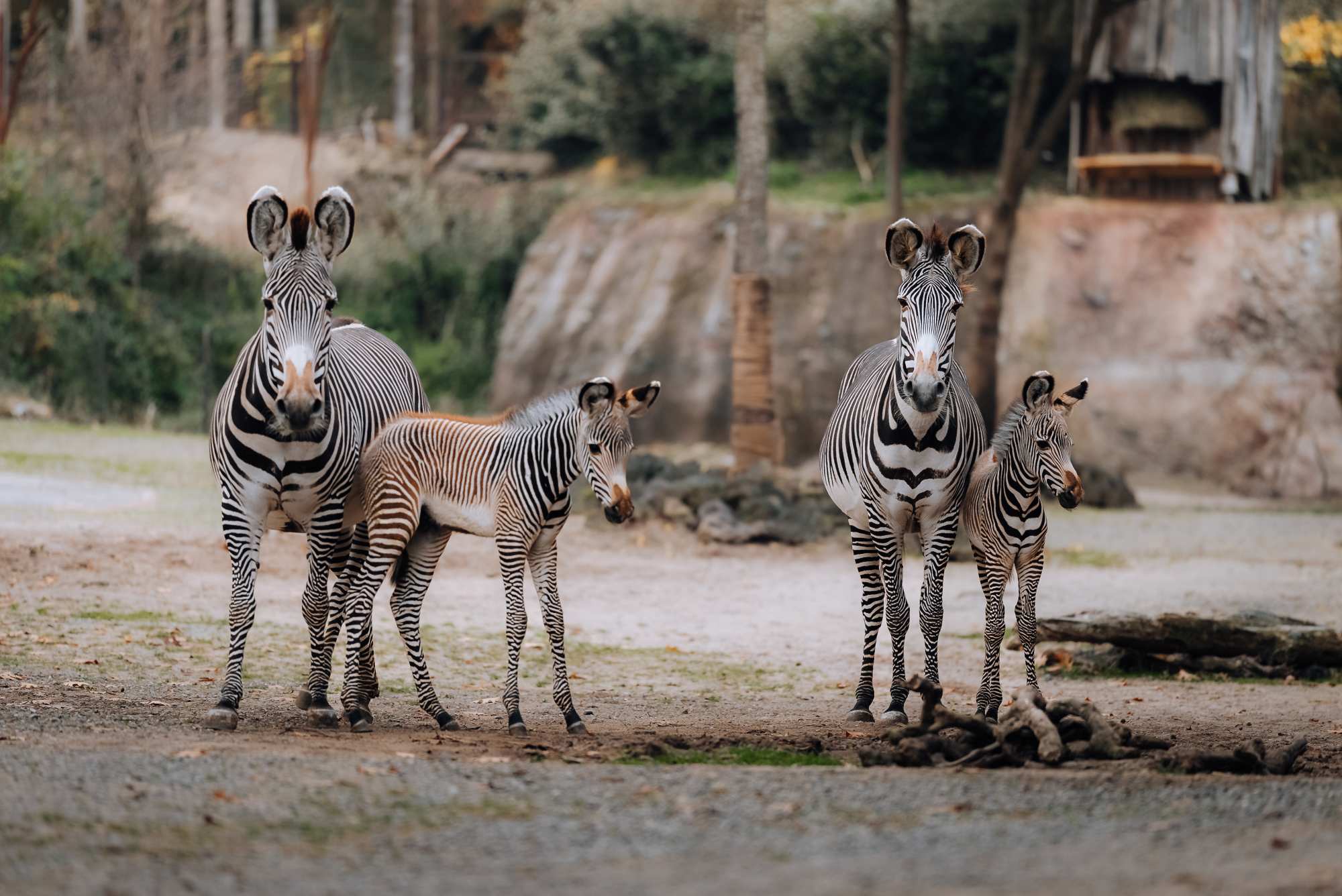
An international team has analysed data from more than 700 mammal populations in zoos since 1970 and concludes that there has been an ageing of the animals and a decline in females of reproductive age. According to the authors, this jeopardises the role of zoos in conserving endangered wildlife species and promoting global biodiversity. The findings are published in the journal PNAS.


0

The illegal trade of four protected shark species continues despite regulations

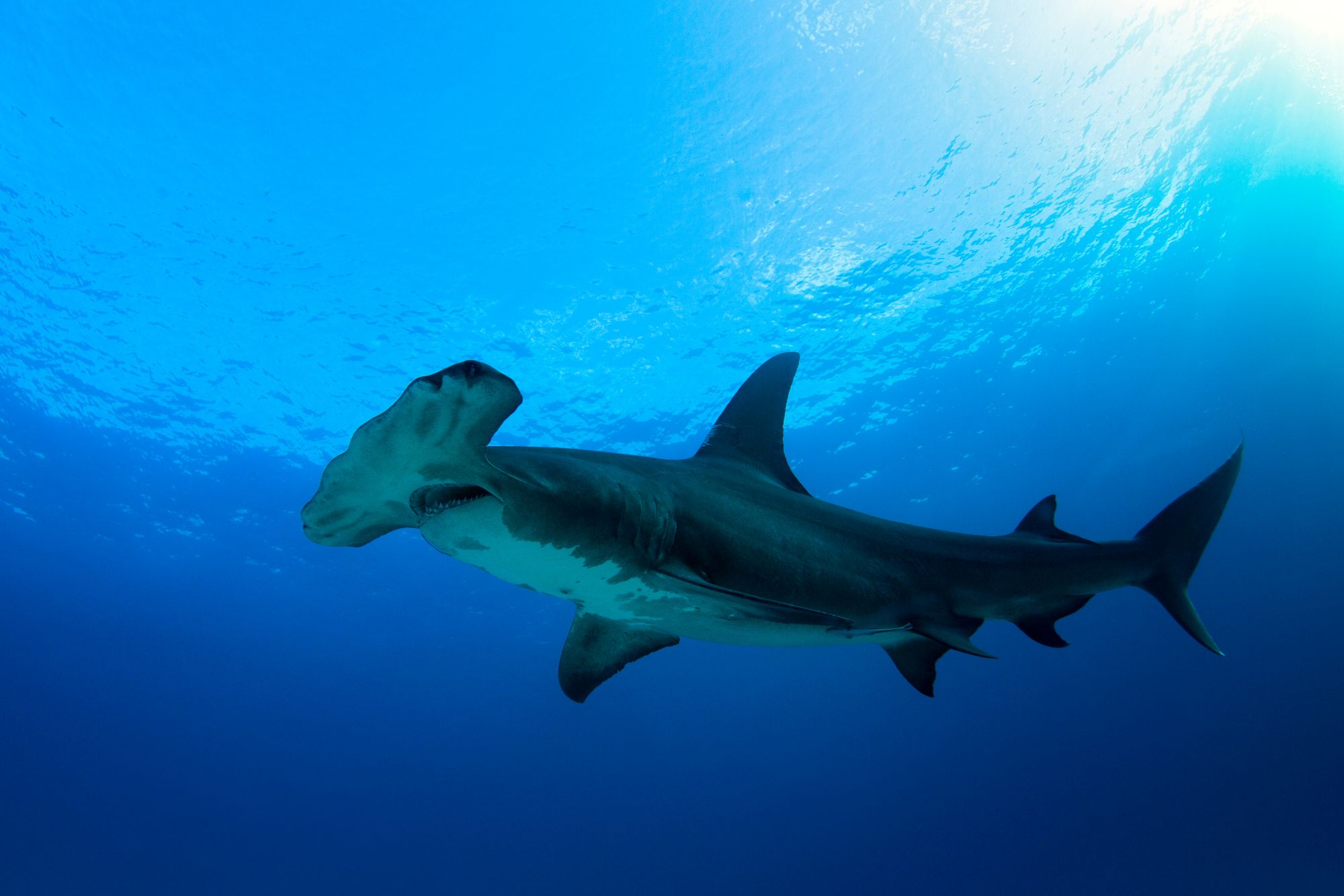
Since 2013, undeclared and uncertified exports of fins from five overexploited shark species have been illegal. Now, an international team has determined that illegal fins from four of those species remained prevalent in the market between 2015 and 2021. Among the countries cited as potential violators are Spain, China, and Taiwan. The study is published in the journal Science Advances.

0

Warm-water coral reefs pass their point of no return

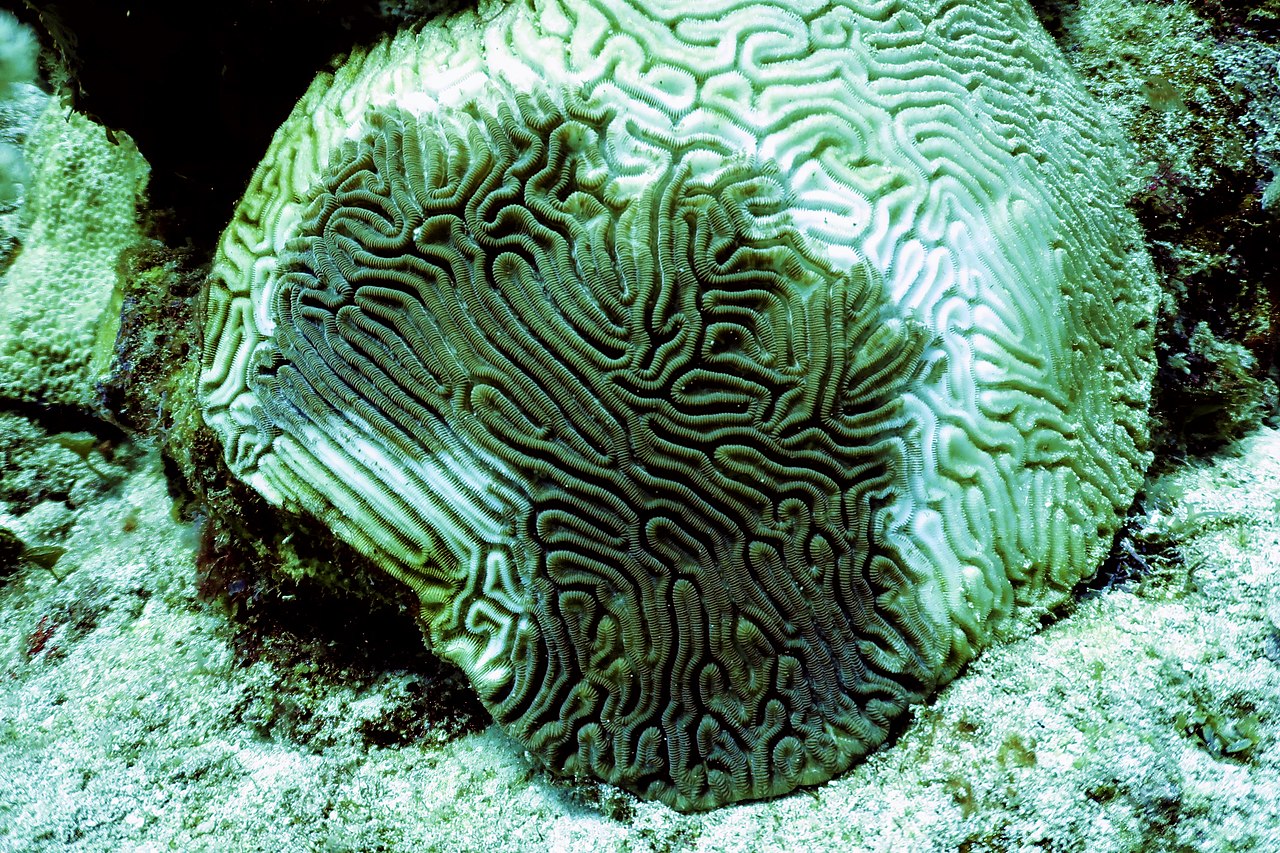
Extensive warm-water coral reefs are facing widespread mortality and, unless global warming is reversed, will be lost, warns the report Global Tipping Points 2025. This is the first tipping point reached by the Earth system, the first in a series of tipping points that will cause ‘catastrophic’ damage—melting ice sheets, death of the Amazon rainforest, and collapse of vital ocean currents—unless humanity takes urgent action. The report also identifies positive tipping points that have been crossed on a global scale, for example in the area of solar energy and the adoption of electric vehicles.

0

The decline of large scavengers could increase the risk of disease for humans

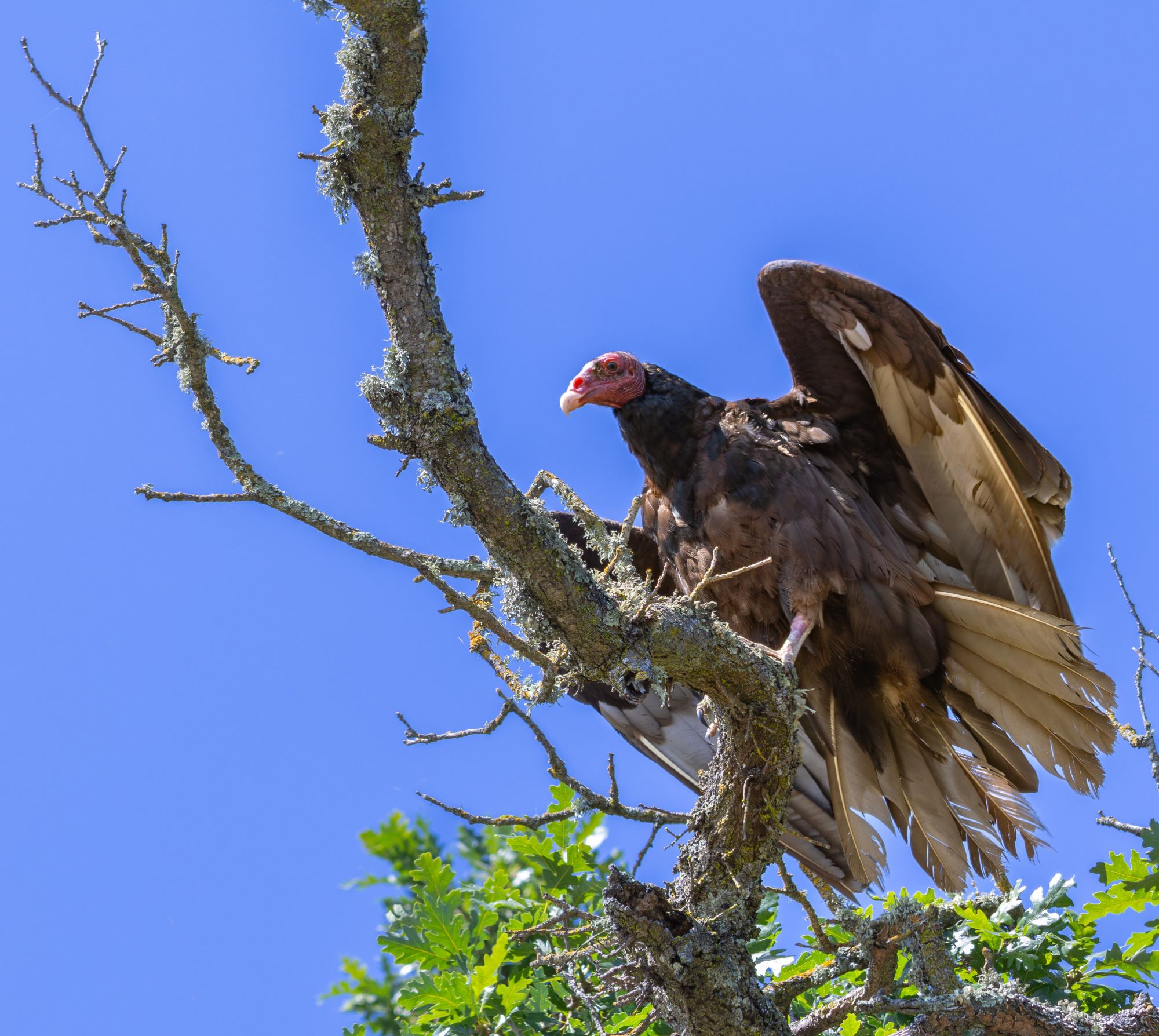
A team from Stanford University (USA) has analysed the conservation status of 1,376 species of scavenger animals. The results, published in the journal PNAS, indicate that 36% of them are threatened or in decline, especially large species and obligate scavengers, which depend exclusively on carrion for food. In contrast, the number of small and facultative scavengers, such as rodents, for which carrion is not their only source of food, is increasing. According to the authors, this ‘could increase the risks of diseases that large scavengers have helped to mitigate’.

0

A macro study examines how other species and climate change influence the geographical distribution of brown bears

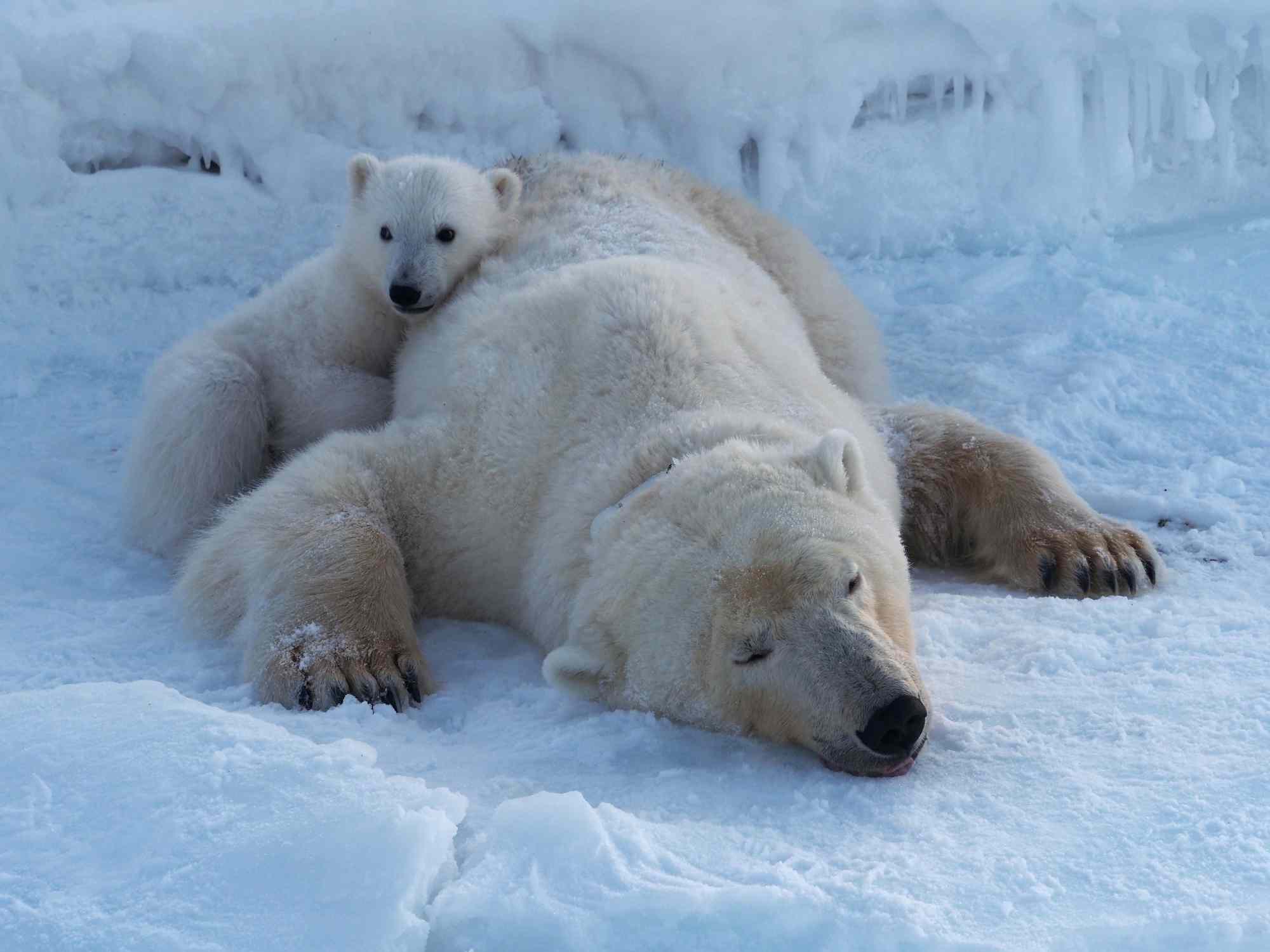
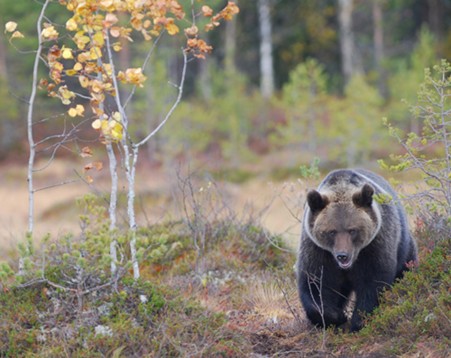
An international research project involving Spanish participation has analysed the distribution of brown bears in Europe and Turkey. To do this, the team studied more than three million locations belonging to some 3,000 bears, with data from 14 European and Turkish subpopulations in very different environments. The main conclusion is that bears occupy areas where the species that form part of their diet are distributed. The study, published in Global Change Biology, shows that the influence of climate change on these species also has an impact on the distribution of bears.

0

Conservation efforts focus on a few popular species

One study suggests that conservation efforts are concentrated around a small number of charismatic species, such as elephants. However, there are undervalued species, such as fungi, plants and invertebrates, that are critical to the functioning of ecosystems. The research, published in the journal PNAS, analysed more than 14,000 conservation projects spanning a 25-year period - from 1992 to 2016. Of the nearly $2 billion allocated by the projects, 83% went to vertebrates. Plants and invertebrates each received 6.6% of the funding, while fungi and algae received less than 0.2%.

0

Genetic diversity has decreased in more than 600 species in the last three decades

A meta-analysis that brings together data from 628 species of animals, plants and other organisms in terrestrial and marine ecosystems over the last three decades shows that most are losing genetic diversity, especially mammals and birds. ‘The threats affected two thirds of the populations we analysed and less than half are subject to conservation management measures,’ say the authors of the research, published in Nature.

0

A quarter of freshwater wildlife is threatened with extinction

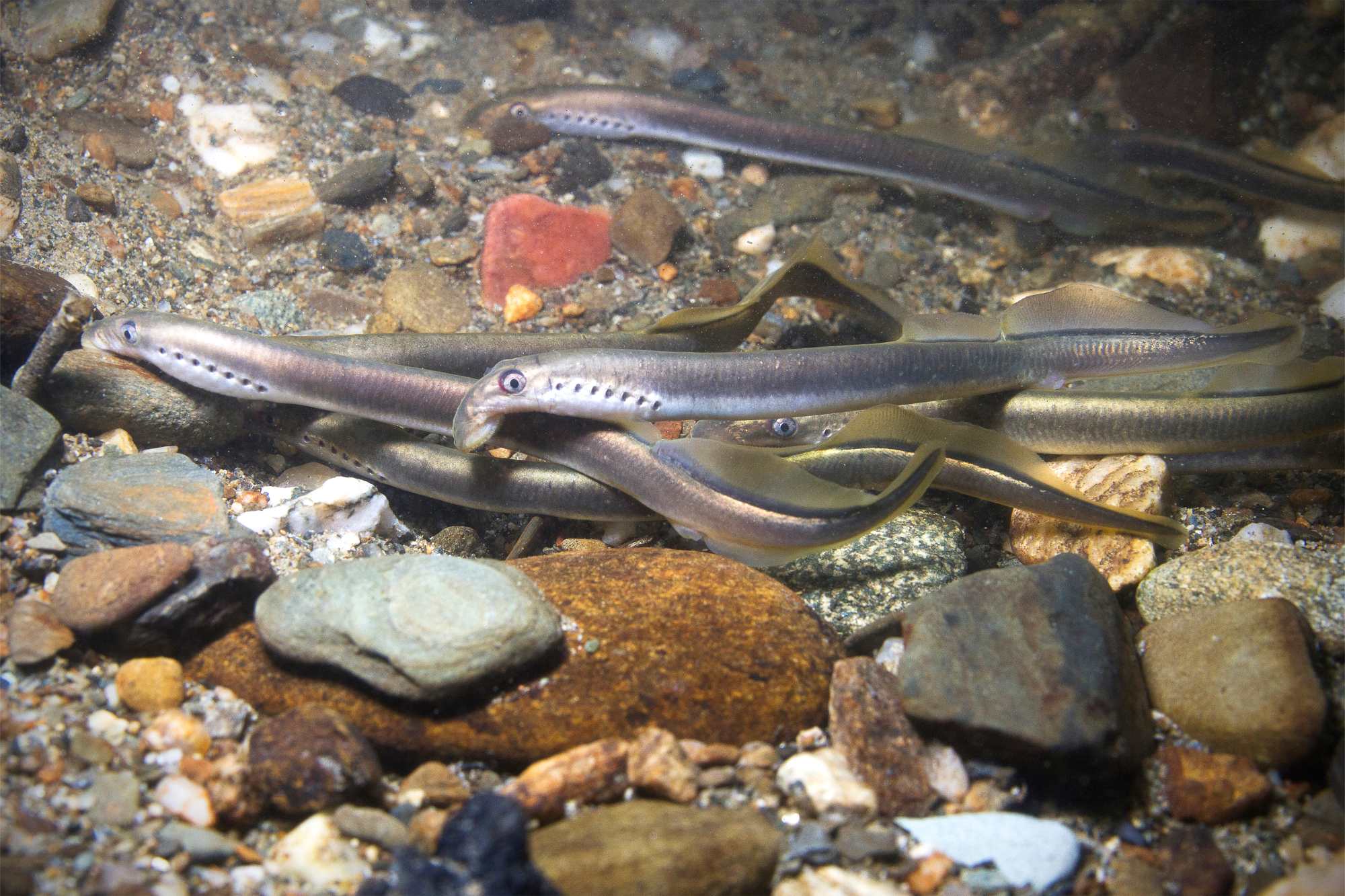
An assessment of the extinction risk of freshwater fauna, covering more than 23,000 species, reveals that around 24% of the species studied are at risk of extinction. The analysis, published in Nature, identifies the main threats from pollution, dams, agriculture and invasive species. Decapods - such as freshwater crabs and shrimps - have the highest percentage of threatened species (30 %), followed by freshwater fish (26 %) and odonates - such as dragonflies (16 %).

0

Two IPBES reports propose global changes to tackle current environmental crises

Meeting in the city of Windoek (Namibia), the plenary of the IPBES - Intergovernmental Science-Policy Platform on Biodiversity and Ecosystem Services - has ratified two new reports: the Nexus Assessment and the Transformative Change Assessment. Three of their authors explained the main findings and the changes they propose at a briefing organised by SMC Spain.

0

Reaction: climate change will reduce the number of tree species in Europe by at least one-third over this century

A study has analyzed how 69 of the tree species present in Europe - such as oaks, ashes or willows - will behave over this century under different climate change scenarios. In the best-case scenario, the number of species able to survive per square kilometer will be reduced by a third, according to their calculations. For the authors, who publish their results in the journal Nature Ecology & Evolution, this could have strong negative repercussions on timber production, carbon storage and biodiversity conservation.

0