climate change

climate change

climate change

Reactions: Study attributes April's unusually high temperatures on the Iberian Peninsula to climate change
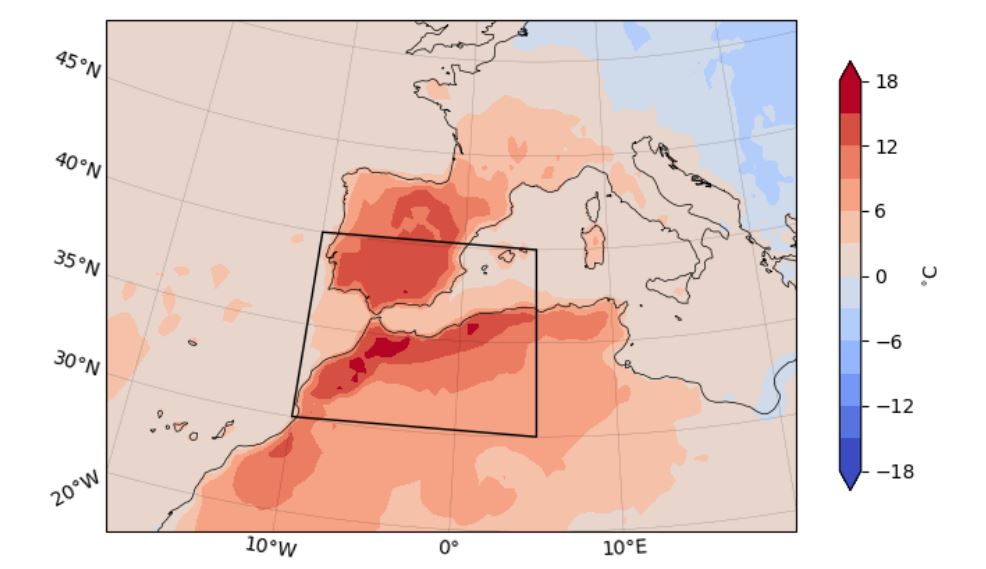
Climate change made the late April episode of record temperatures in the Iberian Peninsula, Morocco and Algeria 100 times more likely to occur, with temperatures up to 3.5°C higher than they would have been without the climate crisis. This is one of the conclusions of an attribution study conducted by World Weather Attribution.

0
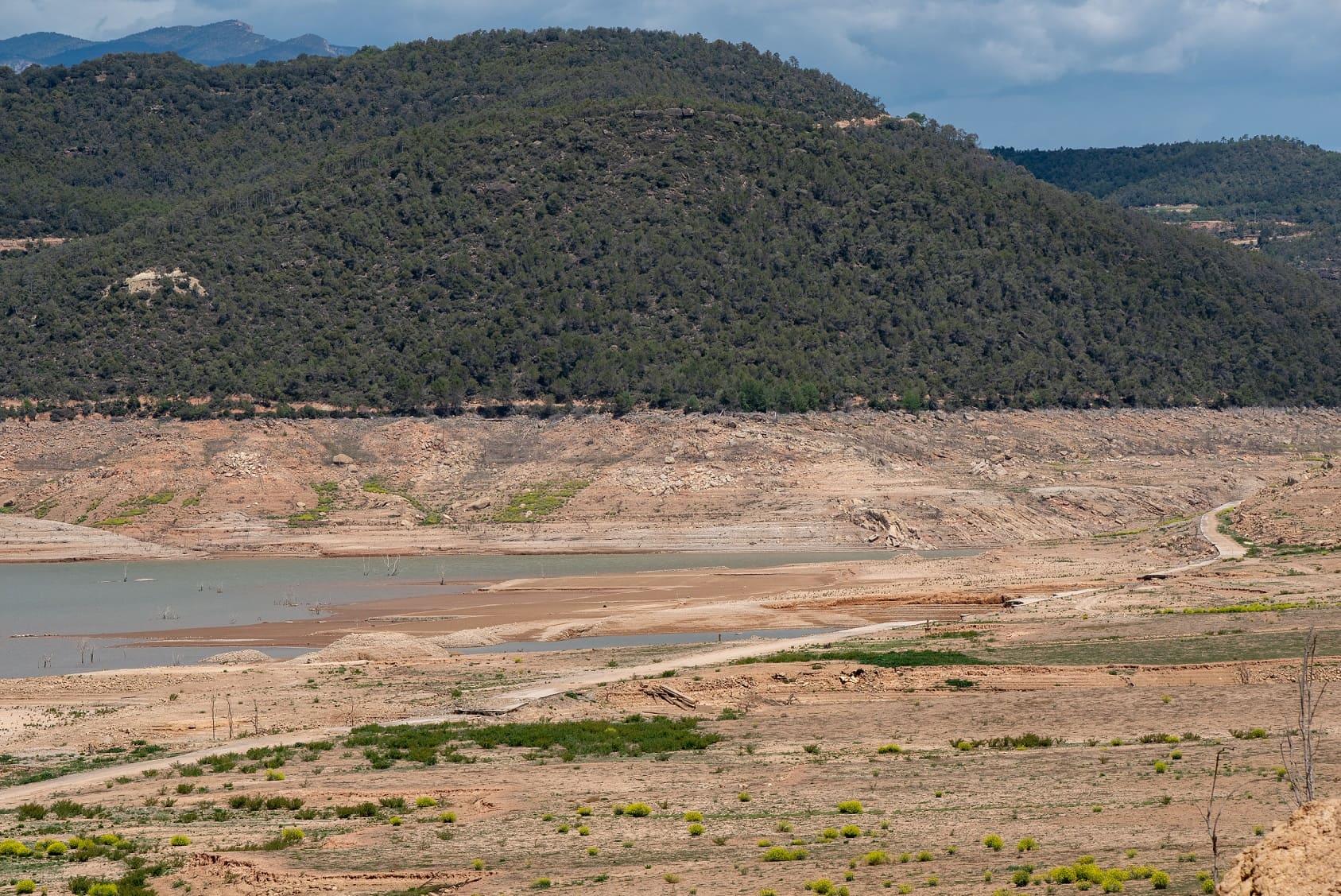
Drought in Spain: aggravated by rising temperatures and overexploitation of water resources

The hydrological, meteorological and agricultural drought that is being experienced in Spain, especially in some regions, comes after a 2022 that was the warmest and one of the driest since records have been kept. Researchers Sandra García Galiano (UPCT) and Annelies Broekman (CREAF) participated in an informative session of SMC Spain in which they analyzed the causes, consequences and possible solutions to face this complex natural phenomenon.

0

Reactions to the IPCC synthesis report urging more ambitious action to combat climate change

Almost a decade after the previous edition, the Intergovernmental Panel on Climate Change (IPCC) has presented the synthesis report of its sixth assessment cycle (AR6) on Monday in Switzerland. "This synthesis report underlines the urgency of taking more ambitious action and demonstrates that, if we act now, we can still secure a sustainable and liveable future for all," said IPCC chair Hoesung Lee. 

The document includes the main findings of the three Working Group reports of 2021 and 2022 (Physical basis, Impacts, adaptation and vulnerability and Mitigation of climate change) and the three special reports of 2018 and 2019 (Global warming of 1.5°C, Climate change and land, Ocean and cryosphere in a changing climate). With this document, which is primarily addressed to policy makers, the IPCC closes its sixth assessment cycle.

0

Reaction: carbon sequestration is at risk of destabilisation in large regions of the planet

A study published in Nature suggests that carbon sequestration is at risk of destabilising in large regions of the planet. In some areas, this sequestration - the difference between the CO2 captured and released by ecosystems into the atmosphere - has varied greatly in recent years. The research is led by CREAF and the University of Antwerp (Belgium).

0

Reaction: Research estimates 15 million people at risk from glacial lake outburst floods

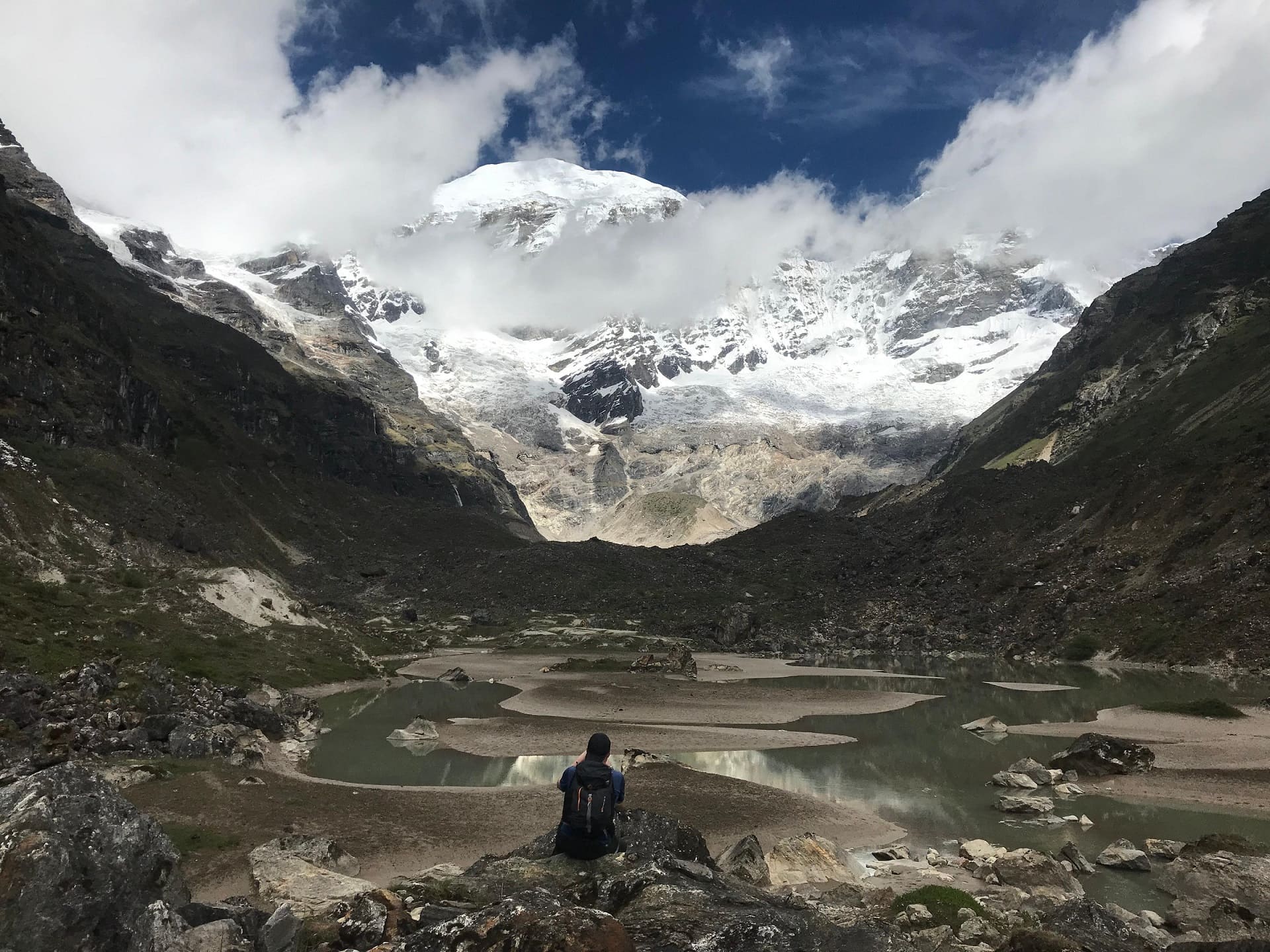
As rising temperatures melt glaciers, meltwater can accumulate and form lakes nearby. These bodies of water represent a natural hazard because of the floods they cause if they overflow. Researchers have estimated that 15 million people are at risk from these floods, and more than half of them live in just four countries: India, Pakistan, Peru and China. The research is published in Nature Communications.

0

Reactions to the accuracy of Exxon's climate change predictions since the 1970s

Research published in Science assesses for the first time quantitatively the climate projections made by scientists at oil company Exxon and ExxonMobil Corp between 1977 and 2003. According to the study, most of their projections accurately predicted warming consistent with subsequent observations. However, the authors point out that the company's public statements contradicted its own scientific data.

0