Scientists

Scientists

For science to make the news in a rigorous and attractive way, good sources are needed. Because access to scientific knowledge is a citizen's right.

¿Qué me ofrece?

Help science make headlines with rigour and context. We’ll ask you for feedback on current events in your field and you can participate in the briefings we’ll organise. Need to prepare for an interview? Use our resources on science communication.

Icono
Cómo trabajamos

We’re on the lookout for controversial information about science and we will contact you for your analysis in your area. Do you want to be part of our sources? Contact us. We will not pass your contact details on to anyone else. You can find out more about how we work here.   

Título qué me ofrece
What we offer you
Título cómo trabajamos
How we work

Evidence found that ALS may have an autoimmune component

Amyotrophic lateral sclerosis (ALS) is a neurodegenerative disease characterised by progressive loss of motor neurons. An international team has discovered evidence that ALS may have an autoimmune component, meaning that the immune system mistakenly attacks healthy cells, a hypothesis that had been considered by the scientific community. The study shows that inflammatory immune cells—called CD4+ T cells—attack certain proteins that are part of the nervous system in people with ALS. ‘These findings highlight the potential of therapeutic strategies aimed at improving regulatory T cells,’ the authors note in the research, published in Nature.


0

Different autism profiles identified according to age of diagnosis

People with autism have different genetic and developmental profiles depending on the age at which they were diagnosed, according to a study published in Nature. The authors distinguish two groups: the first receive a diagnosis of autism in early childhood, with lower social and communication skills and a moderate correlation with attention deficit hyperactivity disorder (ADHD) and mental health disorders. The other group of people receive their diagnosis in adolescence, with increased socio-emotional and behavioural difficulties, and higher genetic correlations with ADHD and mental health disorders. 

0

Early signs of Parkinson's disease detected for the first time in post mortem brain tissue

A team has managed to visualise and quantify the protein aggregates believed to trigger Parkinson's disease. This is the first time they have been directly visualised. These small aggregates – alpha-synuclein oligomers – were observed in post mortem brain tissue from people with the disease using a new microscopy technique, as explained by the authors in Nature Biomedical Engineering.

0

Potentially fertilisable human eggs generated from skin cells

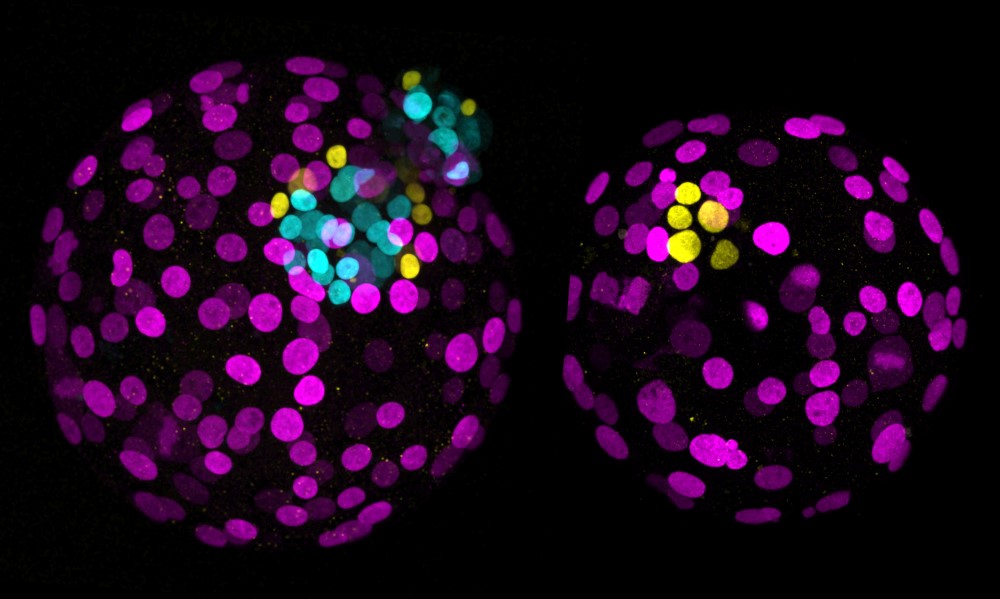
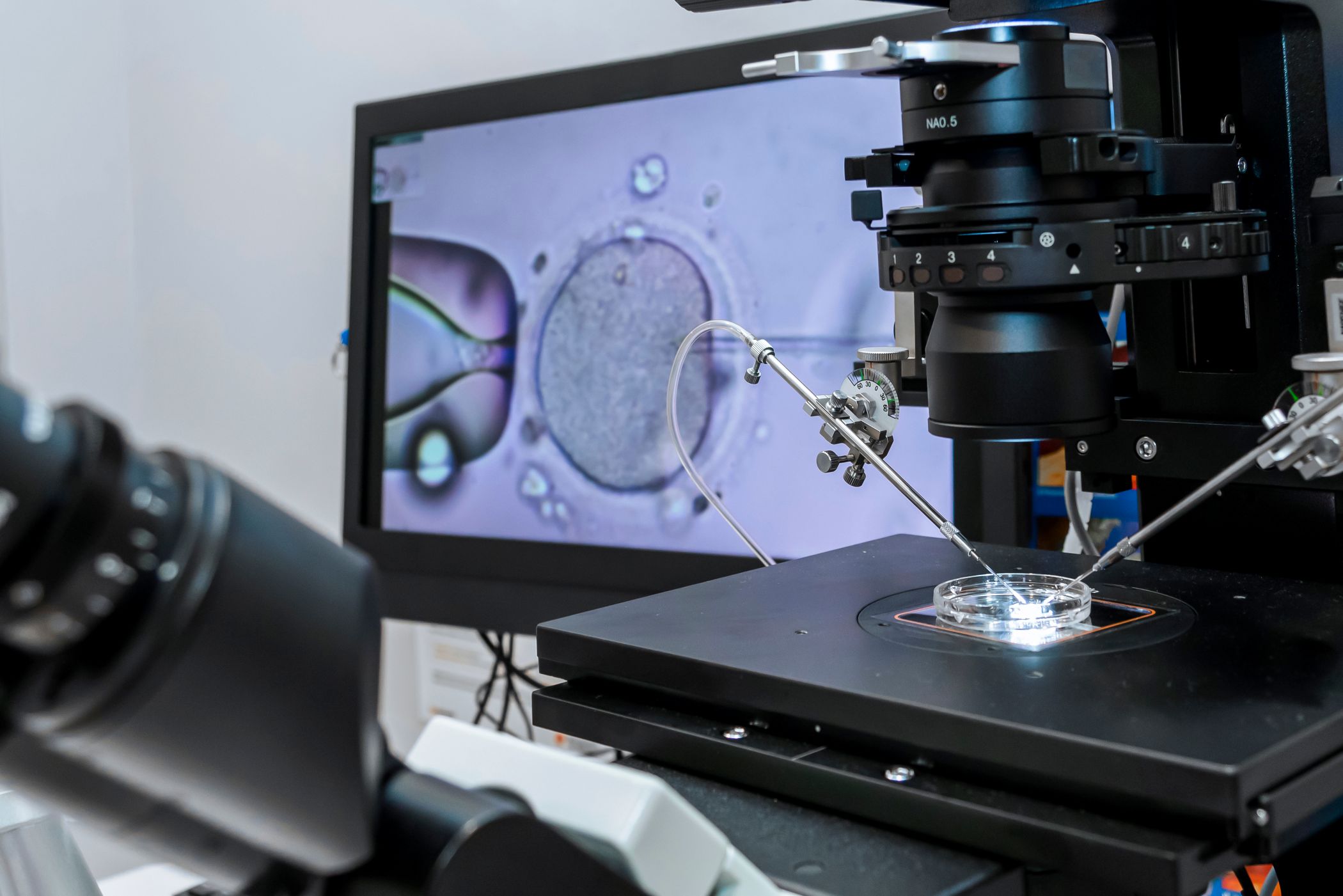
An international team has succeeded in generating fertilisable human eggs from skin cells using a novel technique. According to the authors, the study offers a way to address infertility, although they acknowledge that further research is needed to ensure efficacy and safety before future clinical applications. Of the 82 functional oocytes generated and fertilised, only 9% developed to day 6, when the experiment ended. In addition, the embryos had chromosomal abnormalities. The results are published in the journal Nature Communications.


0

A sustainable method for extracting rare earth elements from electronic waste

A US research team has designed an ‘environmentally friendly and economically viable’ method for recovering rare earth elements from electronic waste. It is cheaper than traditional methods, uses less water, acid and energy, and emits fewer greenhouse gases, according to the authors in PNAS. Rare earth elements (REE) are a group of chemical elements needed to manufacture batteries, magnets and electronic components. Both the European Union and Spain are committed to these critical materials in order to reduce their dependence on foreign sources. 

0

Floods and DANAS: key tips for effective communication

The devastating floods in Valencia in October 2024 and the rainfall alert issued on September 28, 2025, showed that the way we communicate risks can make a difference, for better or for worse. This article presents eight key points for journalists, public officials, communicators, and anyone else interested in communicating better about floods and other crises.

0

Two mutations identified that make the avian flu virus more dangerous in the United States than in Europe

The North American strain of the H5N1 avian influenza virus has been shown to be capable of causing outbreaks in mammals such as cows, something not seen elsewhere in the world, including Europe. An international team has identified and tested two mutations in ferrets that may explain improved adaptation and greater virulence. According to the authors, who published the results in the journal Science Advances, the finding "highlights the urgent need for strengthened surveillance and targeted interventions.

0

Frontline medical workers detail the severity of injuries among the population of Gaza caused by the Israeli invasion

Through surveys of 78 healthcare workers in Gaza between August 2024 and February 2025, an international team has documented patterns of injuries among the civilian population during Israel's ongoing invasion. The most common traumatic injuries were burns, followed by injuries to the lower and upper limbs. Explosion damage accounted for most of the weapon-related trauma, which particularly affected the head, while gunshot wounds were mainly located in the lower limbs. The study is published in The BMJ.

0

Cancer mortality will increase by 75% worldwide by 2050, according to a study

An international team has analysed cancer incidence and mortality worldwide using data available since 1990. Between then and 2023, there was an increase of almost 75% in deaths from this cause, with more than 40% of all deaths associated with preventable risk factors. Estimates indicate that by 2050 there will be a similar increase in mortality, due in part to the ageing of the population. The increase will be particularly pronounced in low- and middle-income countries. The results are published in The Lancet.

0

The increasing use of smartphones and LED lights prevents synchronisation between menstrual and lunar cycles

Menstrual cycles were synchronised with lunar cycles until 2010, but according to research published in Science Advances, after this date, this synchrony is only found in January, when lunar gravity is at its strongest. The team analysed the menstrual records of 176 women and attributes the loss of synchrony to the increasing use of smartphones and LED night lights, which became widespread from 2010 onwards.

0