Reactions

Reactions

Reactions

When science hits the headlines, we seek the views of expert sources who assess the news rigorously and quickly, according to the available evidence.

Reactions to the study associating hearing loss with a higher risk of dementia

A Danish study involving over half a million individuals aged 50 and above, tracked for an average of nearly nine years, reveals that hearing loss is associated with a higher risk of dementia, particularly among those who do not use hearing aids. According to the authors, whose research is published in JAMA Otolaryngology–Head & Neck Surgery, this suggests that hearing aids may prevent or delay the onset and progression of dementia.

0

Reactions: brain health of patients hospitalized for covid worsened similar to that of others admitted with similar severity

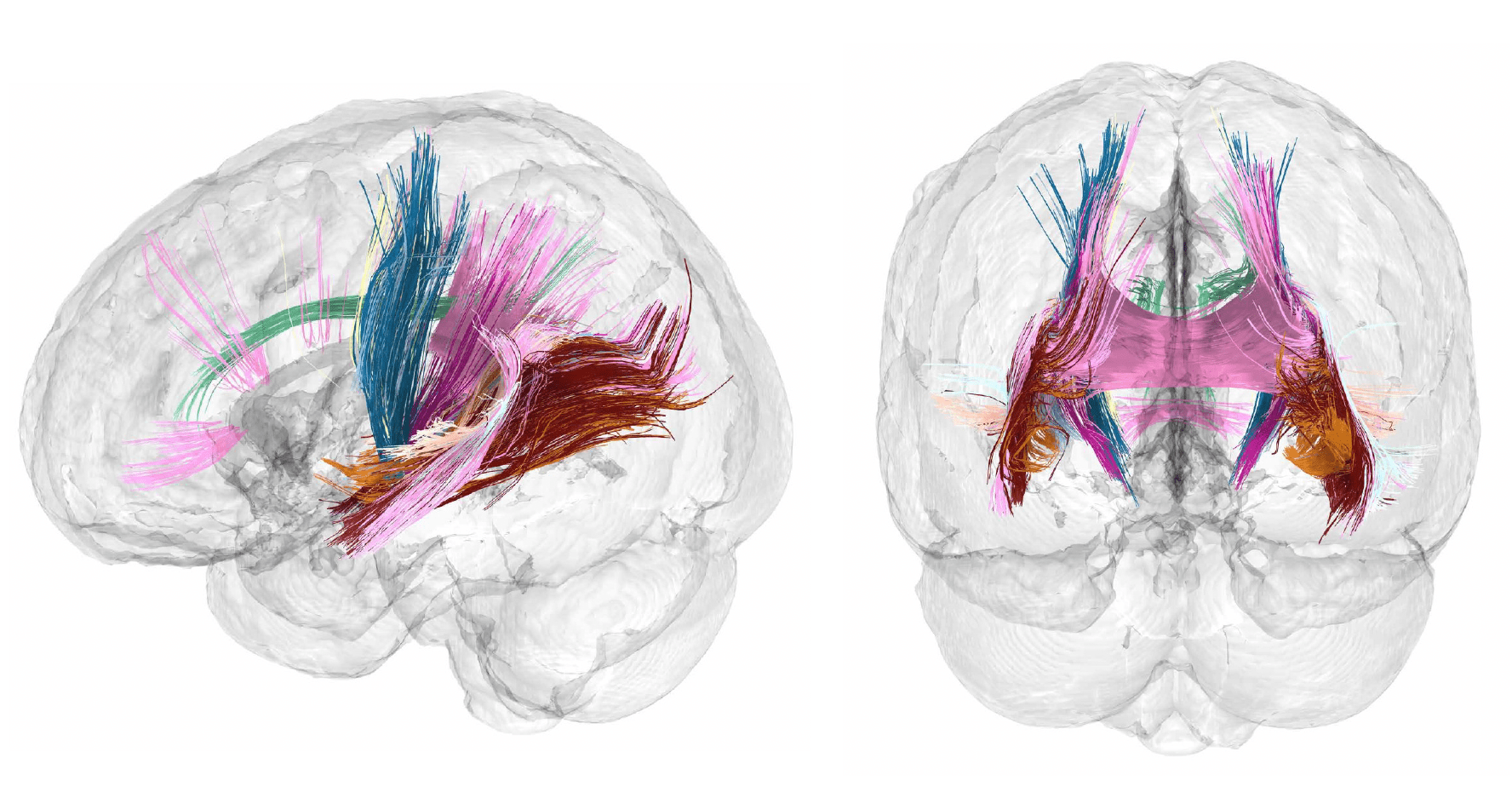
A study carried out in two hospitals in Denmark has compared the brain health of 120 patients admitted for covid over 18 months with that of other hospitalized patients with similar severity due to pneumonia, heart attack or need for intensive care, as well as with healthy people. The conclusions are that patients with covid worsened with respect to the latter, but did so in a similar way to other hospitalized persons. According to the authors, "although studies are needed to confirm these findings, brain health after covid-19 appears generally comparable to that of other diseases of similar severity."

0

Reactions: method developed to produce protein-based drugs that can be administered orally

For the treatment of many diseases it is necessary to use large molecules that do not resist the digestion process and must be injected. Now, a group of scientists at the Institute of Chemical Sciences and Engineering in Lausanne (Switzerland) has developed a method for synthesizing a type of protein called cyclic peptides, capable of binding to varied and complex targets, and they have done so in a way that makes them capable of being administered orally. According to the press release accompanying the publication, this opens "a new era in drug development".

0

These are the science topics we have discussed most in 2023

Every week, the Science Media Centre Spain team reads hundreds of headlines and news alerts for potential news to cover. Our specialty is to generate useful content on science topics that ignite public debate; therefore, we take great care in the selection of stories and spend a good proportion of our time debating what we should and should not give. To end the year, we wanted to tell you part of our intrahistory.

1

Reactions: Psilocybin-assisted group therapy reduces depression symptoms in cancer patients

A dose of psilocybin—a hallucinogenic substance—administered to groups of 3 or 4 people suffering from cancer and depression may help reduce their depressive symptoms, according to a clinical trial conducted in the United States. The study involved 30 patients who also received individual and group therapeutic support. In another article, also published in the journal Cancer, the authors examine how the study participants perceived the therapy.

0

Reaction: EMA gives green light to EU's first CRISPR gene-editing drug

The European Medicines Agency (EMA) has recommended approval of the first drug in the European Union to use the CRISPR/Cas9 gene-editing technique. The drug, Casgevy, is indicated for the treatment of two rare inherited diseases, beta thalassaemia and sickle cell disease (sickle cell anaemia), caused by genetic mutations that affect the production or function of haemoglobin, the oxygen-carrying protein in red blood cells. Both conditions are debilitating and potentially fatal. The EMA opinion will be sent to the European Commission for a decision on an EU-wide marketing authorisation.

0

Reactions: Science chooses obesity drugs as the 2023 Breakthrough of the Year

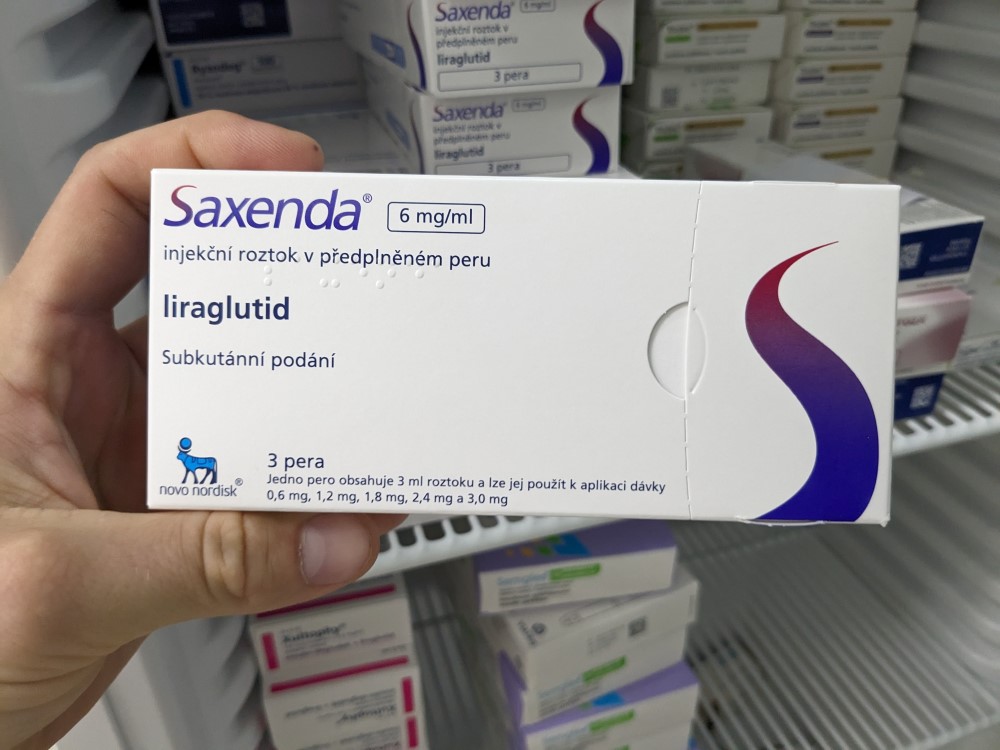
In the year 2023, Science magazine has chosen the development and discovery that GLP-1 medications, agonists of the glucagon-like peptide-1, can mitigate health issues associated with obesity as the most important scientific breakthrough. Similarly, Nature magazine has selected biochemist Svetlana Mojsov, a key figure in the discovery of GLP-1, as one of the top ten scientists of the year. 

0

Reaction: Study questions whether digital leisure reading improves reading comprehension in younger students

A meta-analysis by the University of Valencia has studied the links between leisure reading habits on digital devices and the reading comprehension of students of different ages. The research - which is based on 25 studies published between 2000 and 2022 involving some 470,000 students from different countries - concludes that in the early stages (primary and 1st and 2nd ESO in the Spanish case) there were small negative relationships between digital leisure reading and reading comprehension, while in later stages (3rd and 4th ESO, baccalaureate and university) the relationship became slightly positive. The research is published in Review of Educational Research.

0