University of Navarra Clinic
If you are the contact person for this centre and you wish to make any changes, please contact us.
Professor of Immunology at the University of Navarra, CIMA researcher and co-director of the Department of Immunology and Immunotherapy at the Clínica Universidad de Navarra.
Specialist in Hematology at the Clínica Universidad de Navarra
Researcher in the Solid Tumours Programme at CIMA and the Clínica Universidad de Navarra
Neurologist specialising in the diagnosis and treatment of headaches
Lecturer of the Department of Ophthalmology at the University of Navarra and researcher at the Experimental Ophthalmology Laboratory at the University of Navarra Clinic.
A team of US researchers has followed some patients treated with CAR-T therapies in a small clinical trial conducted between 2004 and 2009 to treat children with neuroblastoma, a nerve cell tumor that can have a poor prognosis. At least one of them, a woman who was treated with CAR-T as a child, remains in remission 18 years later, the longest duration of such therapy described to date. The results are published in the journal Nature Medicine.
CAR-T cell-based treatments have been successful against some blood tumours, but are much less effective for solid tumours. A phase 1 clinical trial has tested their use in 11 children and young adults with diffuse midline glioma, a tumour of the nervous system that is considered incurable. The results, published in the journal Nature, indicate that the treatment improved functional status in nine of the 11 patients. One of the four who showed a strong response is still healthy four years later.

The regulatory agencies for medicines in the United States and Europe have issued statements informing about a possible risk of developing certain types of tumors following CAR-T cell immunotherapy treatment. What do we know so far? What is the real risk? Does the benefit-risk balance still hold? Has anything changed after these alerts? We answer these questions with expert opinions and the data currently available.

An international team of researchers has conducted a meta-analysis of 137 clinical trials involving nearly 90,000 people to assess the migraine efficacy of 17 available drugs. Their conclusions are that four drugs in the triptan group are more effective and cheaper than newer drugs such as gepants or lasmiditan, and that the efficacy of the latter is comparable to that of paracetamol and most anti-inflammatory drugs. The results are published in The BMJ.
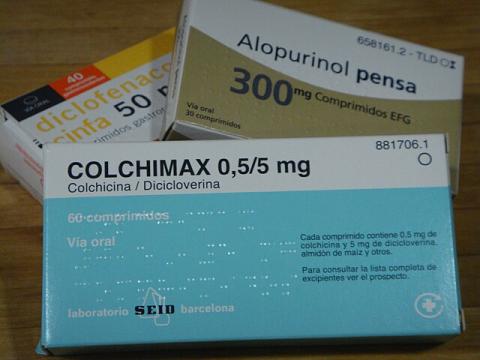
In a study published in the journal Nature Medicine, a team of researchers from the National Center for Cardiovascular Research (CNIC) proposes a new cardiovascular risk factor to add to those already known. It is clonal hematopoiesis, a phenomenon caused by acquired mutations in blood stem cells. Furthermore, in a separate study published in the European Heart Journal, they suggest that the drug colchicine could serve to reduce its effects.
CAR-T cell therapies may, in some cases, produce tumours secondary to treatment. A few months ago, the US Food and Drug Administration (FDA) said it was assessing this risk. Now, a study conducted at Stanford University Medical Center (USA) has tracked 724 patients who received this type of treatment since 2016. Of these, 14 developed another blood tumour, but only one was a T-cell lymphoma that could be a direct consequence of the therapy. Further analysis ruled out this link. The results are published in the journal NEJM.
A multidisciplinary study involving several Spanish research groups has preclinically tested a new type of immunotherapy for multiple myeloma. Instead of modifying T cells to attack the tumour directly, as CAR-T cells do, they have managed to make them secrete bispecific antibodies, which bind to the tumour on one side and to other T cells on the other, attracting them to the tumour. According to the authors, this cell therapy was more effective than traditional CAR-Ts and could generate less resistance. The results are published in the journal Science Translational Medicine.

US researchers have analysed data from 477 people who, using a mobile app, recorded their moods, energy levels and migraine occurrence four times a day for two weeks. Morning attacks were associated with poorer self-rated sleep quality and less energy the day before. Stress and high-energy states were linked to headaches in the afternoon, adds the study, which is published in the journal Neurology.