Desertification Research Centre
If you are the contact person for this centre and you wish to make any changes, please contact us.
Researcher at the Climate, Atmosphere and Oceans Laboratory (Climatoc-Lab) at the Desertification Research Centre (CIDE, CSIC-UV-GVA)
CSIC lecturer at CIDE (Centre for Research on Desertification), Valencia
Member of the Food Security and Environment Research Group of the Desertification Research Centre (Valencia)
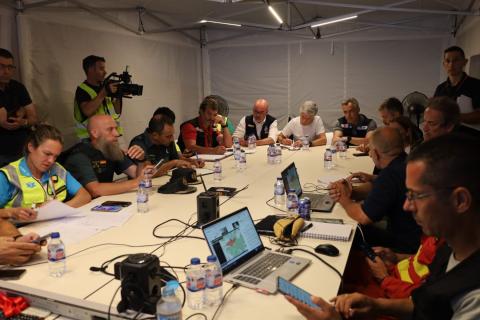
Early this morning, the Minister of Interior, Fernando Grande-Marlaska, declared a state of emergency of national interest in the Community of Madrid and the province of Ávila due to the forest fires in Villa del Prado, San Martín de Valdeiglesias and Burgohondo. According to Carlos Novillo, the Regional Minister for the Environment, Agriculture and the Interior of the Community of Madrid, the fires were beyond the capacity of the fire services to extinguish and posed a serious threat to the population. The Madrid 112 Security and Emergency Agency has reported that, although the night-time firefighting efforts have been effective, the fires have still not been contained or brought under control. More than 10,000 people remain evacuated.
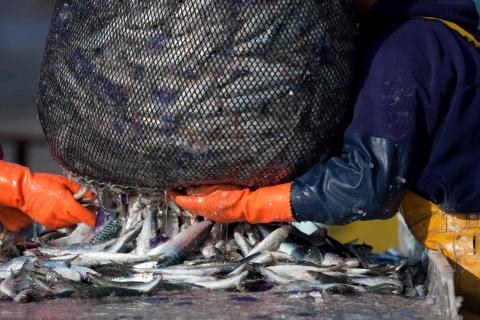
Science journal has published a global map showing exposure to perfluoroalkyl and polyfluoroalkyl substances (PFAS) through the consumption of fish products. PFAS are substances that are difficult to break down, meaning they can accumulate in the body, and some are linked to health problems. The authors collected data over 20 years from PFAS measurements in the marine environment and fisheries, and mapped the concentrations of these compounds in more than 200 species of marine fish. The study shows that international fish trade redistributes the risk of PFAS exposure from highly polluted regions to less exposed areas, with European trade playing a key role in increasing the risk of exposure to these substances.
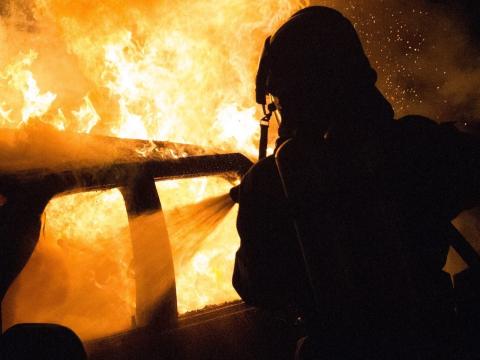
According to a modelling study published in Nature Cities, the frequency of some types of fires in cities is expected to increase in the coming decades as a result of climate change. This increase would be seen in vehicle fires and in those that occur outdoors. The conclusions are based on data from more than 2,800 cities in 20 countries and could be useful for future urban planning and emergency response strategies.
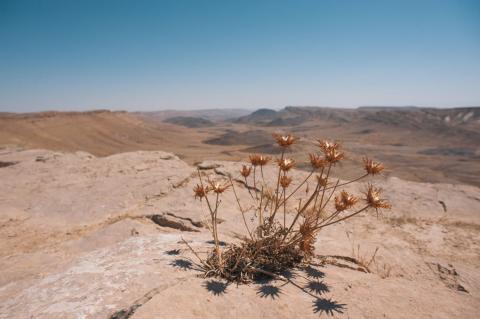
More than three-quarters of the earth's land surface experienced drier climates between 1990 and 2020 compared to the previous three decades, according to a new report by the United Nations Convention to Combat Desertification. Over the past 30 years, 40.6 percent of the global landmass, excluding Antarctica, is classified as drylands, three percentage points more than the previous three decades. The report, which is being presented at the COP16 on desertification being held in Riyadh, Saudi Arabia, also shows that 2.3 billion people were living in drylands in 2020, a population that could rise to 5 billion by 2100 under a worst-case climate change scenario.
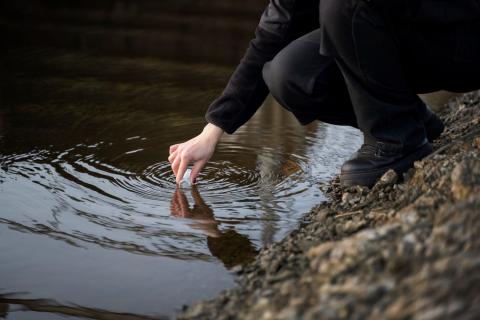
A "large fraction" of groundwater samples are contaminated by perfluoroalkyl and polyfluoroalkyl substances (PFASs) and would be considered unacceptable for drinking water, a study claims. The analysis, published by Nature Geoscience, brings together data from 273 studies of surface and groundwater samples from around the world since 2004. The exact proportion of samples exceeding the thresholds varies according to the standards considered. For example, 69% of groundwater samples with no known source of contamination exceed the Canadian threshold, but the figure is only 6% if the EU criterion for the sum of all PFASs is considered.