Clínic Hospital
If you are the contact person for this centre and you wish to make any changes, please contact us.
Head of the Cardiology Department at the Hospital Clínic de Barcelona and researcher at the National Centre for Cardiovascular Research (CNIC) and at the August Pi Sunyer Biomedical Research Institute (IDIBAPS)
Senior Consultant at the Department of Preventive Medicine and Epidemiology at Hospital Clínic in Barcelona, Professor of Public Health and Dean of the Faculty of Medicine and Health Sciences at the University of Barcelona
Neurologist at the Hospital Clínic in Barcelona
Head of Microbiology at Hospital Clínic in Barcelona, associate professor at the University of Barcelona, and researcher at ISGlobal Barcelona
Psychiatrist and researcher at the Bipolar and Depressive Disorders Unit of the Hospital Clínic de Barcelona
Head of the Arrhythmias and Physical Activity research group at IDIBAPS, cardiac electrophysiologist at Hospital Clínic Barcelona, associate professor of Medicine at the University of Barcelona and researcher at CIBERCV.
Professor of Psychiatry at the University of Barcelona, Head of the Psychiatry and Psychology Department at Hospital Clínic in Barcelona, and researcher at the Biomedical Research Centre in Mental Health (CIBERSAM)
Neurologist at the Neuroimmunology Unit of the Neurology Department at Hospital Clínic de Barcelona
Psychiatrist and researcher at the Depressive and Bipolar Disorders Unit of the Hospital Clínic de Barcelona

Among the migrants who have been in Ceuta for several weeks, there are confirmed or suspected cases of tuberculosis, chickenpox, scabies and gastroenteritis. Specialists in public health, epidemiology and infectious diseases explain to SMC España the basic recommendations that must be followed when providing care for this population.

A study published in JAMA Network Open has examined whether the colorectal cancer screening programme based on faecal immunochemical testing, launched in the Basque Country, was associated with lower mortality from this cause over a 21-year period. The study — a retrospective, population-based cohort study — included all residents of the Basque Country (2.2 million people) between 2004 and 2024. The screening programme, aimed at people aged between 50 and 69, was launched in 2009. According to the study, screening was associated with a 50 per cent reduction in mortality from this cause among adults in that age group. Furthermore, a significant change in the trend was observed just three years after the programme began.
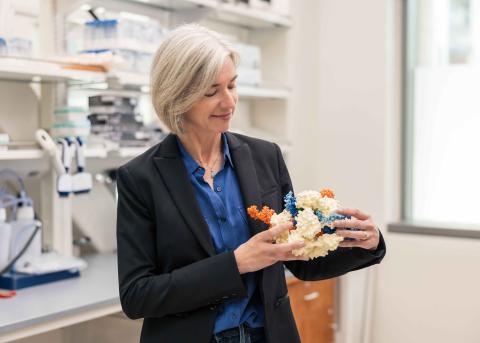
The range of CRISPR tools for genome editing can extend beyond nature-inspired designs thanks to proteins designed using artificial intelligence. A new study by Nobel laureate Jennifer Doudna’s team, published in Science, describes the design of synthetic RNA-guided nucleases, with sequences substantially different from those found in nature, which match or exceed the activity of their natural counterparts whilst offering novel properties.

Pancreatic ductal adenocarcinoma (PDAC), the most common form of pancreatic cancer, is an aggressive tumor that is often diagnosed at advanced stages. Some people are at high risk of developing it due to a hereditary predisposition (10% of cases) or an injury. A new Phase 1 clinical trial has tested, in high-risk patients, a vaccine targeting several mutations in the KRAS gene responsible for more than 90% of these tumors. The vaccine has been shown to be safe and has stimulated specific immune responses, detectable in the blood up to two years later, in 90% of the study participants. The study is published in Cancer Discovery.

An international team has published the five-year follow-up results of a phase 2b clinical trial testing a personalised cancer vaccine in combination with standard immunotherapy treatment for melanoma. After this period, the probability of cancer recurrence was around 50% lower in the group of patients who received the vaccine. Furthermore, the probability of metastasis was almost 60% lower. The results are being presented at the ASCO (American Society of Clinical Oncology) conference and published in the Journal of Clinical Oncology.

In 2023, 1.17 billion people suffered from a mental health disorder, compared to 599 million people in 1990, according to a global study published in The Lancet. Women experienced higher rates of anxiety and depression, while neurodevelopmental and behavioral disorders—such as ADHD or autism—are more common in men. The highest incidence was observed among those aged 15 to 19, which, according to the authors, underscores the need for early prevention and targeted support for this age group.

The latest reports from the European Centre for Disease Prevention and Control (ECDC) indicate a rise in bacterial sexually transmitted infections (STIs) across Europe. In 2024, notifications of gonorrhoea and syphilis, along with congenital syphilis, reached their highest levels in more than a decade, reflecting sustained transmission across multiple countries. Gonorrhoea has increased by more than 300 % over the past 10 years, with Spain among the countries with the highest rates, while syphilis has risen by around 100 %, with Spain also ranking second highest. Men who have sex with men are the most affected population group for both infections. Congenital syphilis increased by almost 250 %, described as “one of the most concerning findings” by two ECDC experts during the briefing presenting the results. Possible contributing factors include reduced condom use, an increase in sexual partners, as well as higher levels of testing.

The eyes are connected to the brain via the retina, which makes it a potential pathway for brain stimulation. A study published in Cell Reports Physical Science has used contact lenses equipped with a system for transcorneal electrical stimulation to treat depression in animal models of the disorder. Mice fitted with the device showed behavioural improvements, including increased sociability, as well as physiological changes, such as the restoration of altered neural connections. The results were comparable to those obtained with fluoxetine —known commercially as Prozac— administered for three weeks in one of the mouse groups.
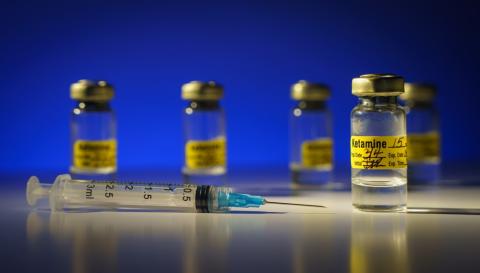
Single and repeated intravenous ketamine infusions are effective in reducing suicidal and depressive symptoms in patients with an acute episode of major depression. These are the main conclusions of a systematic review and meta-analysis published today in the journal JAMA Psychiatry, which also notes that long-term outcomes are not well established.

The Ministry of Health has announced that Spain will receive the MV Hondius in the Canary Islands “in accordance with international law and the spirit of humanitarianism”. The government is thus responding to a request from the World Health Organisation (WHO) and the European Union for the cruise ship, which is travelling from Argentina and has an outbreak of hantavirus on board, to dock in the Canary Islands, in the port of Granadilla, Tenerife. The European Centre for Disease Prevention and Control has assessed which passengers should be evacuated from the ship to Cape Verde, where it is currently located, and which will continue on to the Canary Islands. Once there, they will be examined and transferred to their home countries in accordance with safety protocols. The cruise ship is expected to arrive in the archipelago in three or four days.