Biological Mission of Galicia (MBG-CSIC)
If you are the contact person for this centre and you wish to make any changes, please contact us.
'Ramón y Cajal' postdoctoral researcher at the Biologial Mission of Galicia and head of the ECOP research group – Landscape Ecology
Researcher at the Galician Biological Mission – CSIC
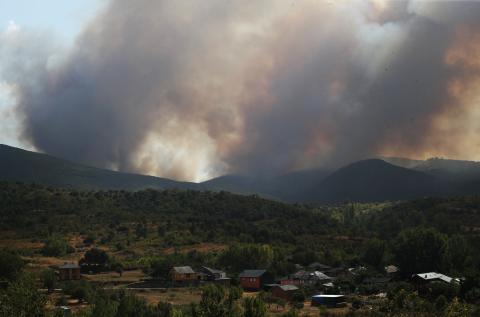
Several areas in the region of El Bierzo in León and the province of Zamora have seen numerous forest fires in recent hours, forcing more than a thousand people from different municipalities to evacuate. One person has died. The flames have affected the Las Médulas natural area, listed by UNESCO as a World Heritage Site. Another fire in Tarifa (Cádiz) has forced the evacuation of hundreds of people, and also in Tres Cantos (Madrid), where one person died. In addition, there are active outbreaks in several areas of Galicia. The government declares a pre-emergency phase.
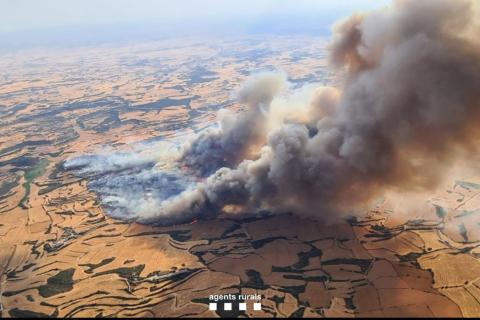
Two people have died in a fire that has burned more than 5,500 hectares in the province of Lleida. Firefighters from the Catalan government declared it under control last night, after 29 hours. Salvador Illa, president of the Catalan regional government, called for ‘maximum caution’ from the public, warning that ‘today's fires are not like those of the past, they are extremely dangerous,’ according to RTVE.es. Why is this fire considered extreme? What should you do when a fire breaks out? How can more fires be prevented? In this article, we have compiled explanations and basic recommendations with the help of expert sources.
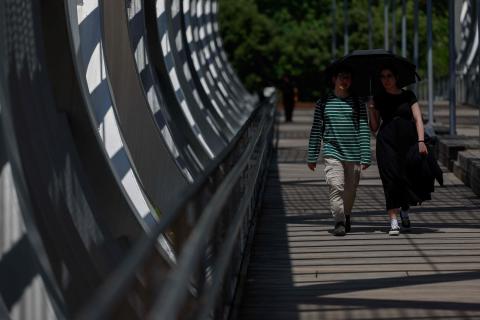
The State Meteorological Agency (AEMET) has reported that a warm weather will bring temperatures 6 to 7 ºC higher than normal for this time of year throughout Spain. According to AEMET, 29 May to 1 June could be the warmest days for this time of year since at least 1950.
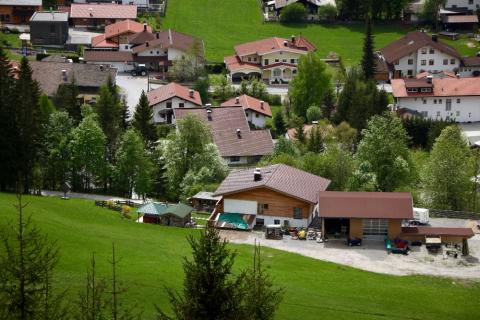
The interface between wildland and urban areas - areas that are at risk of devastating fires - has grown by 35.6 per cent between 2000 and 2020, says a study based on satellite data. The increase has accelerated since 2010 due to growing urbanisation, reaching 1.93 million square kilometres worldwide, adds the study published in Science Advances.