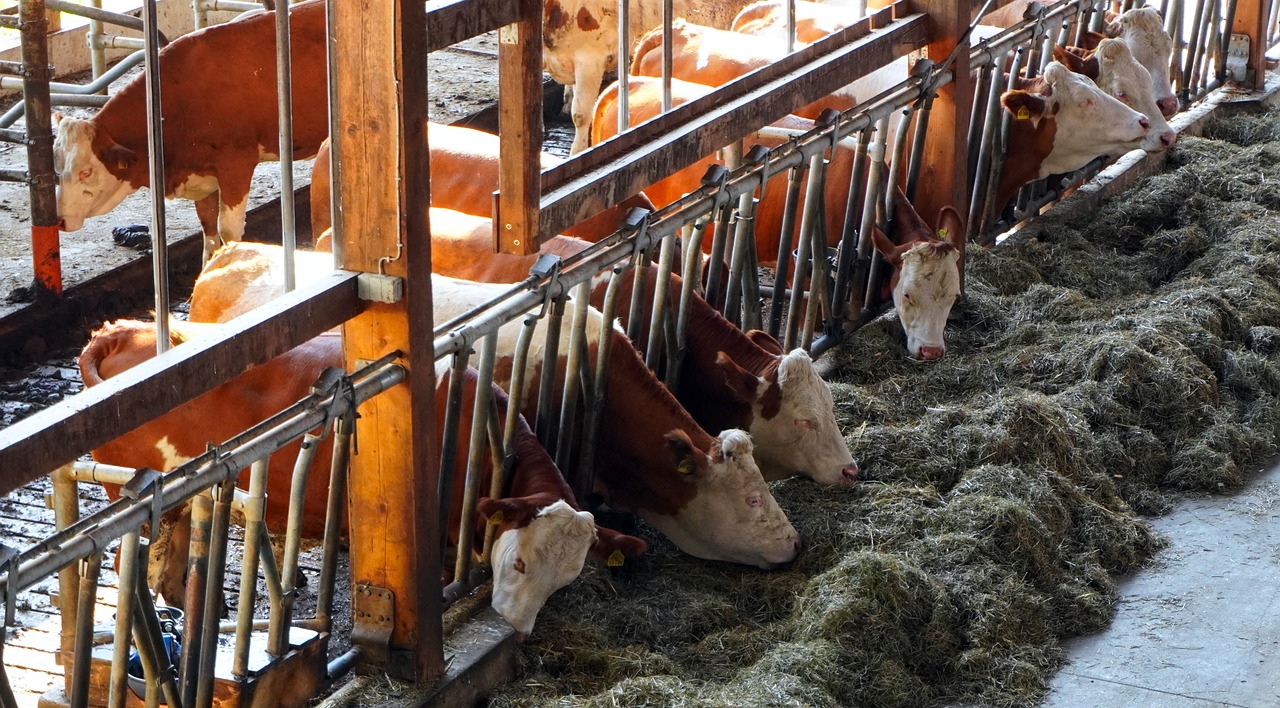
Extensive livestock has declined in regions such as Europe, and this has ecological consequences, according to a study
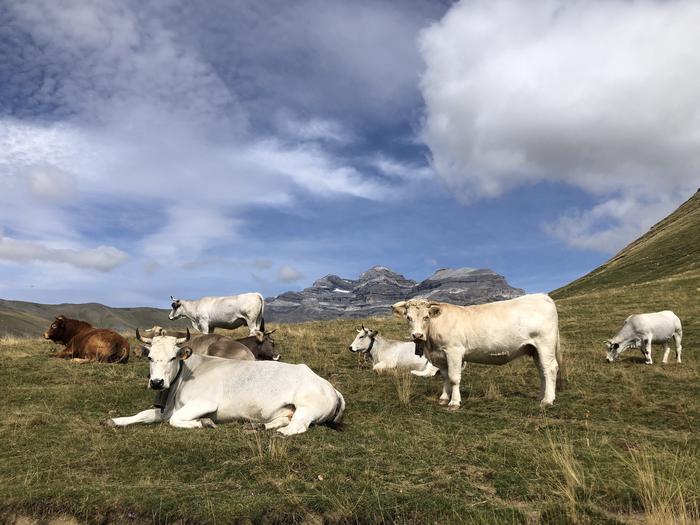
Although extensive livestock farming has increased in some regions, it has also decreased in 42% of pastures dedicated to this purpose, according to a study published in the journal PNAS that analyses data from 1999 to 2023. The decline has occurred in wealthy areas of the world, such as Europe, North America and Australia, where consumption trends have shifted towards animals such as pigs and chickens. The increase was seen in poorer areas, specifically in Africa, Asia, South America and Central America. The authors of the study, one of whom is Spanish, state that ‘reductions in livestock stocking rates can have significant ecological consequences at regional and global scales,’ affecting biodiversity and fire regimes.
0