SMC Spain

SMC Spain

SMC Spain
Position
Topics

40% of the most common breast tumours can be attributed to excess body fat in postmenopausal women

A study conducted in several Spanish provinces has analysed the relationship between breast cancer and obesity in more than 2,000 postmenopausal women. Its findings are that around 40% of estrogen receptor positive (ER+) cases - the most common type - can be attributed to excess body fat (above 40%). This is much higher than the 10% considered attributable when only a high body mass index is taken into account. The results are published in the Journal of Epidemiology and Community Health.

0

A soccer project in prisons improves the behaviour of inmates and their chances of reintegration

The Twinning project is a UK-based initiative that organises soccer-based programmes, with the collaboration of professional clubs such as some Premier League clubs, to improve the mental and physical health of prisoners. Research has studied the behaviour of more than 670 of these participants and a group that did not participate, as well as collecting data related to the possible reintegration of those who were in this programme. According to the authors, who publish their research in the journal Nature Human Behaviour, ‘the results indicate that social bonding is associated with better behaviour in prison and a greater willingness of host communities to support reintegration efforts’.

0

Europe faces a seed dispersal crisis due to changes in animal populations

An international team of researchers has reconstructed the first European seed dispersal network based on a literature review. The data indicate that extinction threats and demographic changes in the animals that disperse them have resulted in 30% of plant species having their dispersers listed as 'high concern.' The lack of seed dispersal could hinder the recovery of declining plant populations. The authors publish their results in the journal Science. 

0

WHO estimates impact of vaccines in reducing deaths from antimicrobial resistance

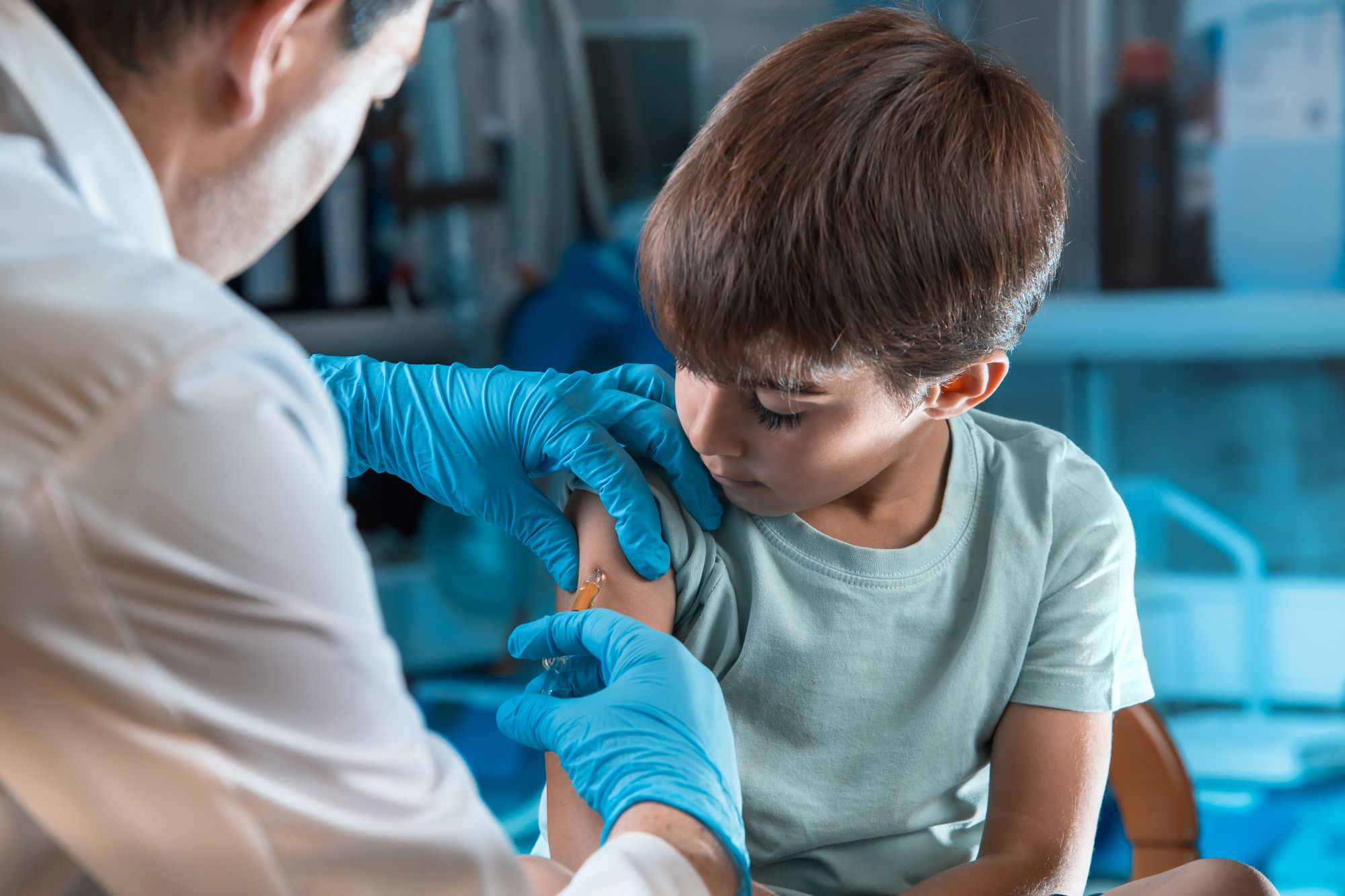
Antimicrobial resistance caused around 5 million deaths worldwide in 2019. The use of vaccines has the potential to reduce these deaths - 515,000 fewer deaths per year - according to a report published by the WHO. The work focused on 24 pathogens and 44 vaccines, licensed by regulatory agencies, in clinical development or in development. By counting existing vaccines alone, antibiotic use could be reduced by 142 million daily doses per year.  

0

A study analyzes the proximity of bombs detonated by the Israeli army to hospitals in the Gaza Strip

A study has used geospatial data and satellite imagery to analyze the number of MK 84 bombs dropped by the Israeli army in the Gaza Strip between October 7 and November 17, 2023 that detonated near hospital infrastructure. Of the 36 existing hospitals, 30 of them had suffered at least one explosion within 800 meters. According to the authors of the paper, which is published in PLOS Global Public Health, the research “reveals concerns about indiscriminate shelling near hospital infrastructure, which enjoys special protection under international humanitarian law.”

0

Temporarily exceeding the 1.5°C limit would have irreversible consequences

Research published in Nature analyses future scenarios in which the 1.5°C temperature limit set in the Paris Agreement would be temporarily exceeded, assuming that temperatures could be lowered in the long term by reducing carbon dioxide emissions using different techniques. The authors stress that exceeding this threshold would have irreversible consequences for the Earth system in key areas such as biodiversity, sea level and carbon stocks. ‘Only rapid, short-term emission reductions are effective in reducing climate risks,’ they stress in the paper.

0

Nobel Prize in Chemistry for Baker, Hassabis and Jumper for computational protein design and structure prediction

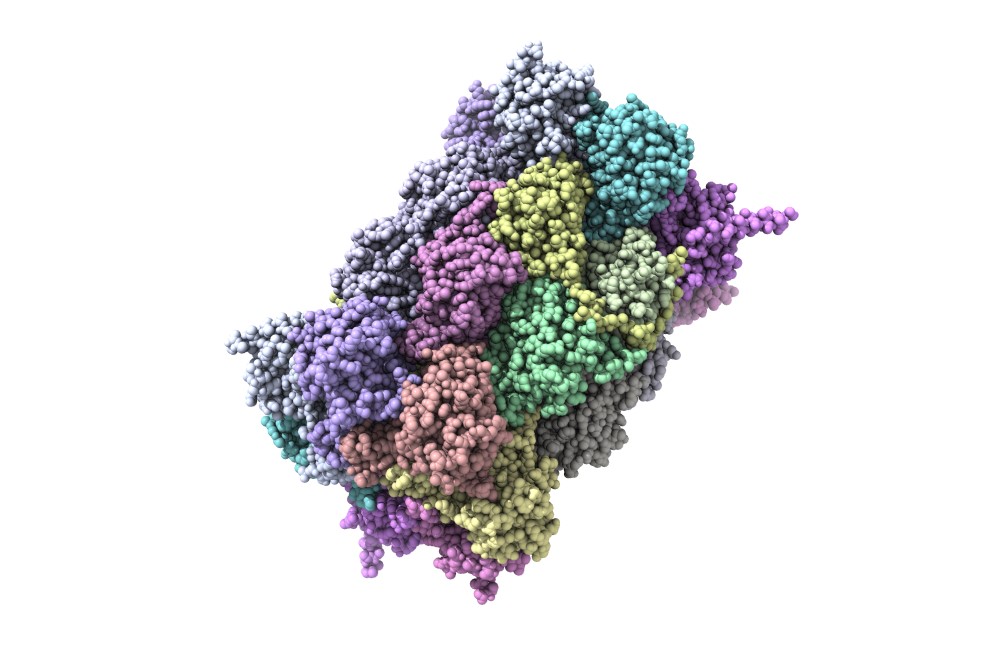
The Royal Swedish Academy of Sciences has awarded the Nobel Prize in Chemistry 2024 on the one hand to David Baker for computational protein design, which makes it possible to construct proteins with functions not present in nature. On the other hand, jointly to Demis Hassabis and John M. Jumper of Google DeepMind, for the development of AlphaFold2, which allows the structure of the 200 million known proteins to be predicted at high speed. 

0

Study warns of inequality between countries in accessing new cancer drugs

Despite considerable advances in the discovery and development of new cancer drugs, there are significant disparities in both the availability and timeliness of these medicines around the world, with the poorest countries being left out, according to an analysis published in the journal BMJ Global Health. According to the study, few new cancer drugs were launched in low- and lower-middle-income countries, and the gap between rich and poor countries widened over the three decades between 1990 and 2022.

0

Nobel Prize in Physics for Hinton and Hopfield for discovering the basis of machine learning with artificial neural networks

The Royal Swedish Academy of Sciences has awarded the Nobel Prize in Physics 2024 to researchers John J. Hopfield and Geoffrey E. Hinton for discovering the foundations that enable machine learning with artificial neural networks. Hinton for discovering the foundational basis that enables machine learning with artificial neural networks. This technology, inspired by the structure of the brain, is behind what we now call ‘artificial intelligence’. 

0