Reactions to the wave of wildfires in the Iberian Peninsula
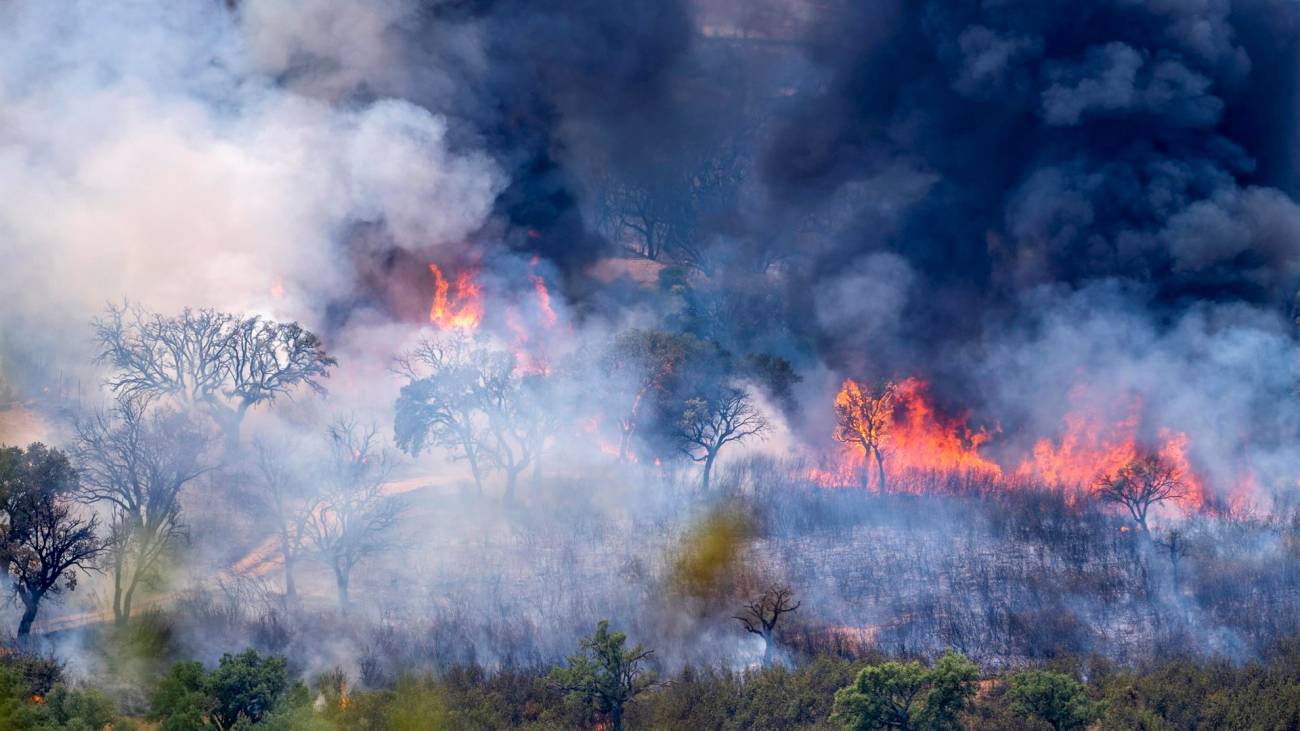
Coinciding with the heat wave, numerous wildfires have started and spread in the Iberian Peninsula, with two fatalities in the province of Zamora.
0
Coinciding with the heat wave, numerous wildfires have started and spread in the Iberian Peninsula, with two fatalities in the province of Zamora.

Results from a survey of more than 39,000 menstruating individuals reveal that 42% experienced heavier bleeding after SARS-CoV-2 vaccination. Among the most likely groups were pre-menopausal women, Hispanic or Latina women, those who had been pregnant, and those with conditions such as endometriosis and polycystic ovary syndrome.
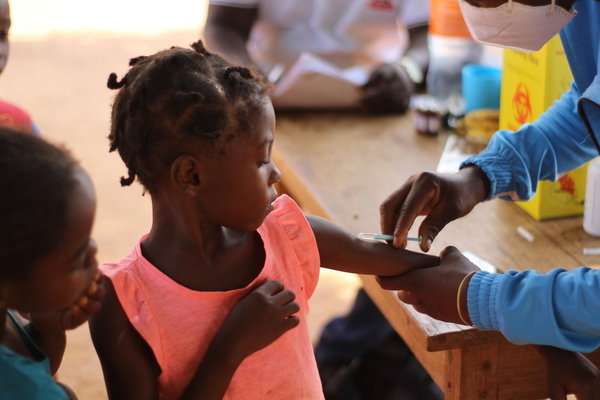
Según datos de la OMS y UNICEF, 25 millones de niños no han recibido sus vacunas contra la difteria, el tétanos y la tosferina (DTP) a nivel global. Se trata de la mayor caída continuada en cobertura vacunal en casi treinta años.

A study published today in The Lancet claims that there are no benefits to alcohol consumption for young people between the ages of 15 and 39. However, the authors claim that in adults over the age of 40 consuming a small amount may confer some health benefits.

Spain is suffering these days a new heat wave that, according to experts, will last at least until Monday and it is not clear when it will end.

An analysis published in Nature Astronomy quantifies the risk to human life posed by impacts of space rocket fragments on Earth, which are more likely to occur in the southern part of the planet.

A study published in PLoS ONE concludes that students who attend classes with peers with disabilities do not see their academic results affected.
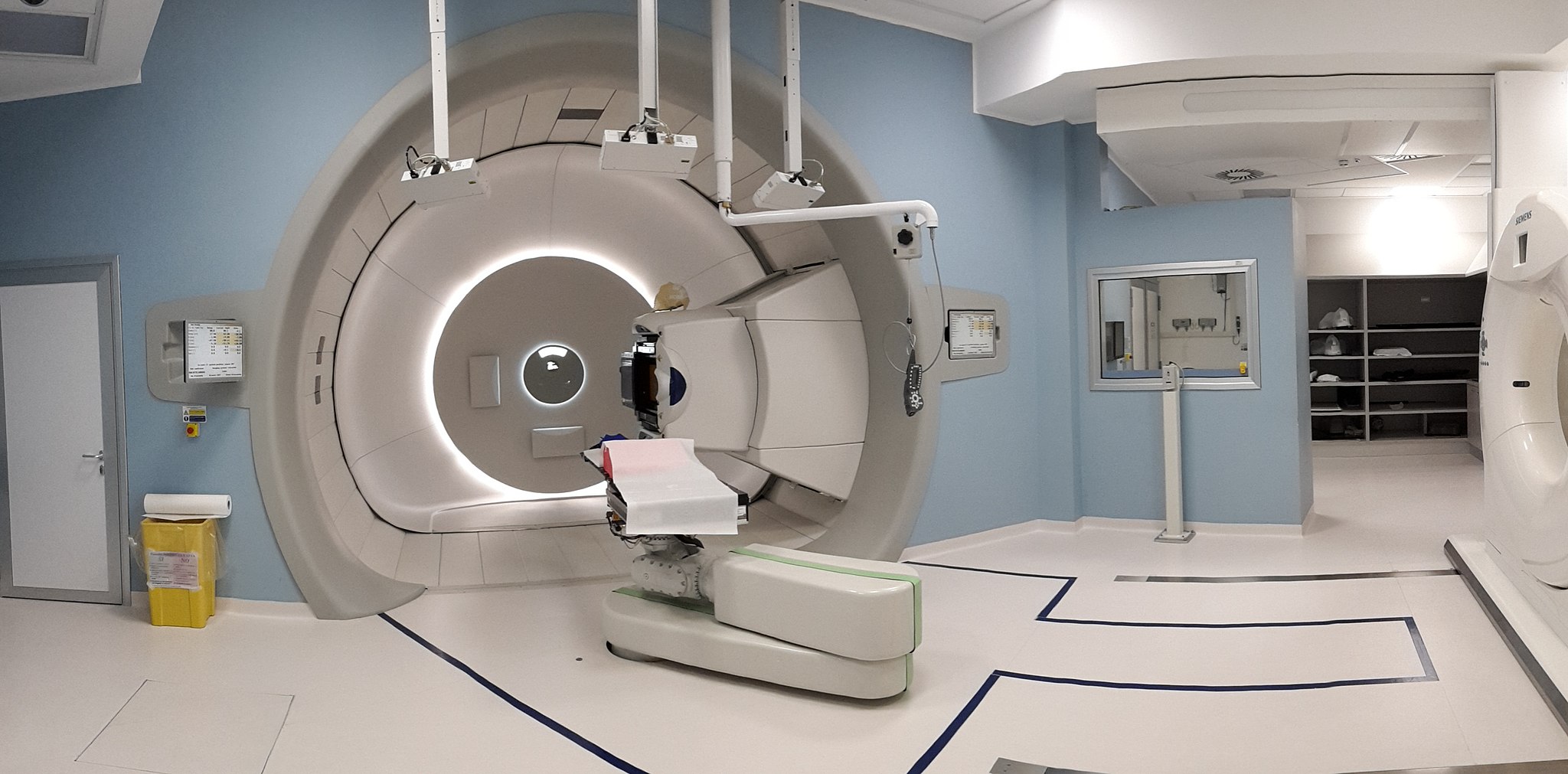
The Ministry of Health has announced the purchase of 10 proton therapy equipment for public hospitals of the National Health System in seven autonomous communities. They will be used to treat tumours, especially in paediatric patients. The cost of the equipment will be financed by the Amancio Ortega Foundation.
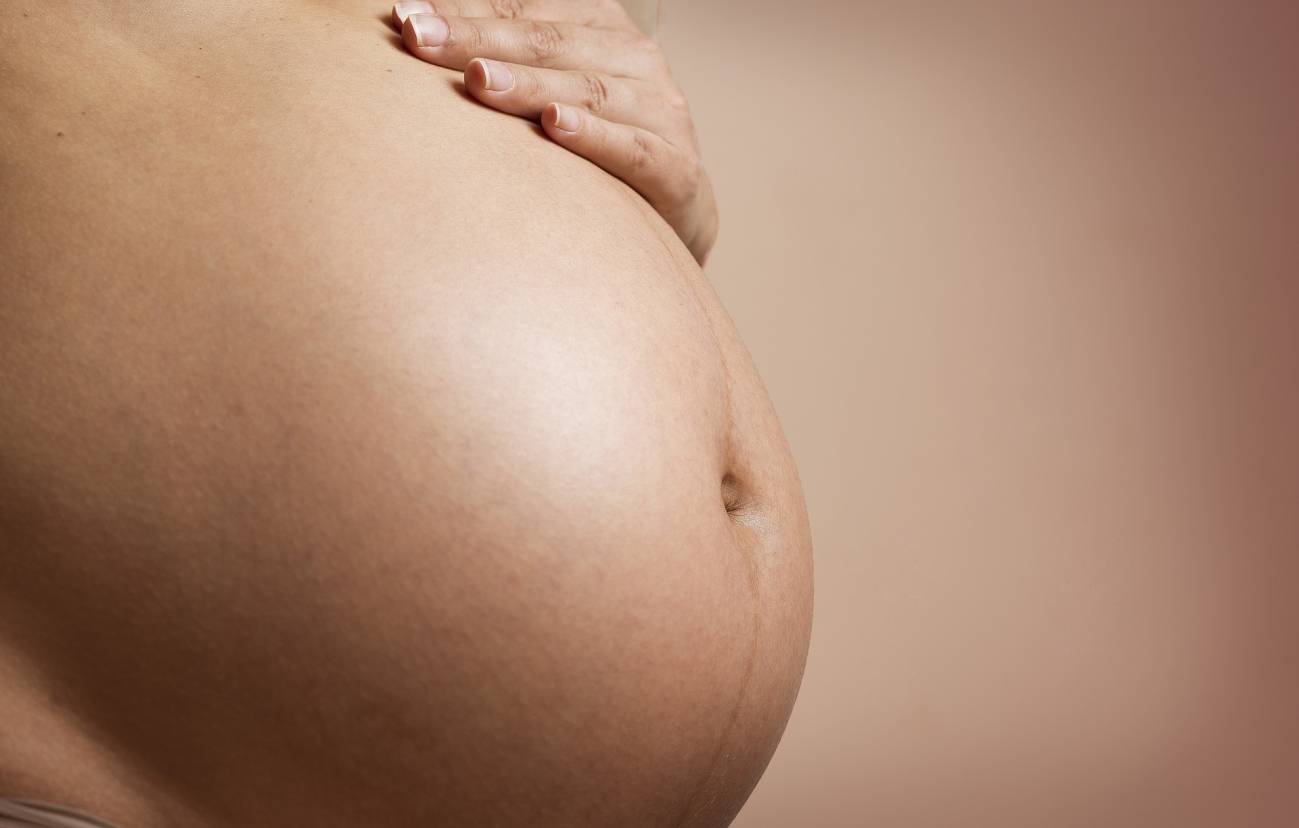
Analysis of 45 commonly used chemicals in more than 1,000 pregnant women in six countries, including Spain, finds a link between increased exposure to these compounds and non-alcoholic fatty liver disease in children, according to research published in JAMA Network Open. It is the first comprehensive study of prenatal exposure to these chemicals in combination, as they occur in real life.
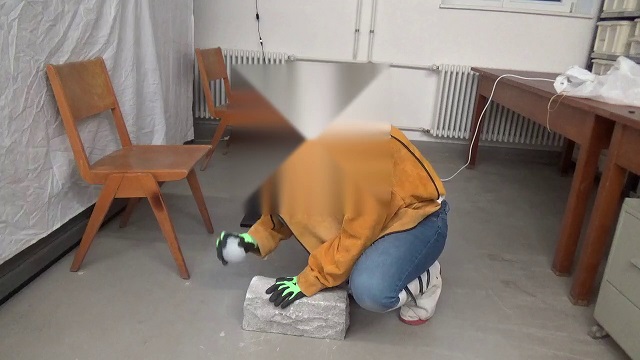
A study published today in the journal Science Advances shows that modern humans do not need cultural transmission to make primitive tools.