SMC Spain

SMC Spain

SMC Spain
Position
Topics

Why the United States and Europe have approved different vaccines against Omicron

Regulatory agencies in the US and Europe - the FDA and the EMA - have licensed vaccination against Omicron focusing on different variants and sub-variants. Different procedures and studies in humans and animals have informed the agencies' decisions. Experts hope that these new doses will provide sufficient protection this autumn and winter to mitigate the impact of the next wave.

0

Reaction to method that could predict Alzheimer's risk before symptoms appear

Scientists have analysed data on 7.1 million common DNA variants (alterations in the standard sequence) in people with and without Alzheimer's disease. The results, published in PLOS Genetics, have helped them to develop a method that can predict the risk of suffering from this neurodegenerative disease, depending on the DNA variants that a person has and before presenting symptoms.

0

Reactions to study claiming three doses of covid-19 vaccines protect better than two

To estimate the effectiveness of two or three doses of vaccines against covid-19 infection and hospitalisation, researchers in Denmark conducted a study of all previously uninfected Danish residents aged 12 years and older. The conclusion of the research, which is published in PLOS Medicine, is that a third dose provided greater protection against infection and hospitalisation with omicron than two vaccines.

Reaction to study concluding that drinking black tea may be associated with lower mortality risk

Using data from the UK Biobank, where black tea consumption is common, researchers have examined whether its intake is associated with a lower risk of mortality. Participants who reported drinking two or more cups a day had a 9-13% lower mortality risk compared to non-tea drinkers. The results are published in the Annals of Internal Medicine.

Reaction to study claiming that the frequency of heatwaves will increase this century

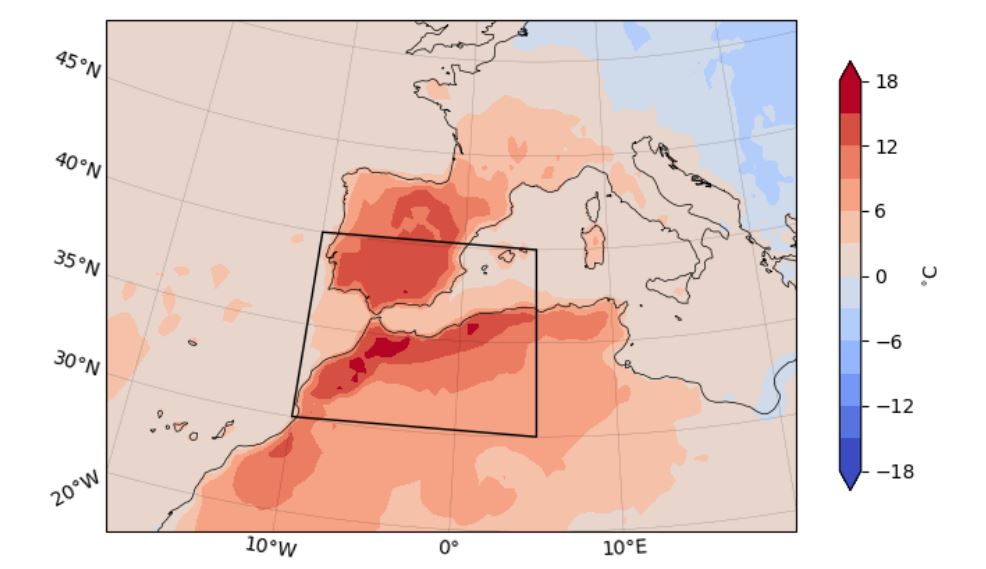
Research estimates that the rise in global average temperatures could approach 2 ˚C by 2050. The study, published in Communications Earth and Environment, estimates that by 2100 many people living in tropical regions will be exposed to dangerously high levels of heat on most days of the year. In addition, deadly heatwaves, which are currently rare in mid-latitudes, could occur every year in these areas.