Eduardo Rojas Briales

Eduardo Rojas Briales

Eduardo Rojas Briales
Position

Lecturer at the Polytechnic University of Valencia and former Deputy Director-General of the FAO

Topics

Wildfire disasters have intensified since 2015

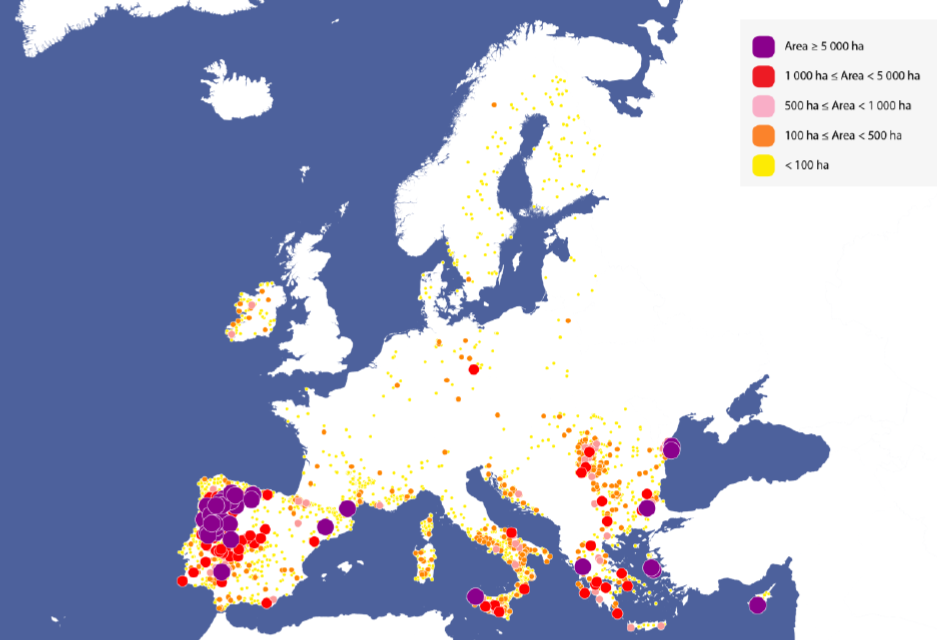
The frequency of fire-related disasters increased significantly from 2015 onwards, according to a study analysing data from reinsurance companies between 1980 and 2023. Forty-three per cent of the 200 most damaging events, in terms of both human and economic damage, occurred in the last decade, the authors estimate in the journal Science. The risks were highest in the Mediterranean and in temperate coniferous biomes, and their frequency coincides with increasingly extreme weather conditions, they add. 

0

An attribution study links climate change to the intensity of extreme fires in Spain and Portugal in August 2025

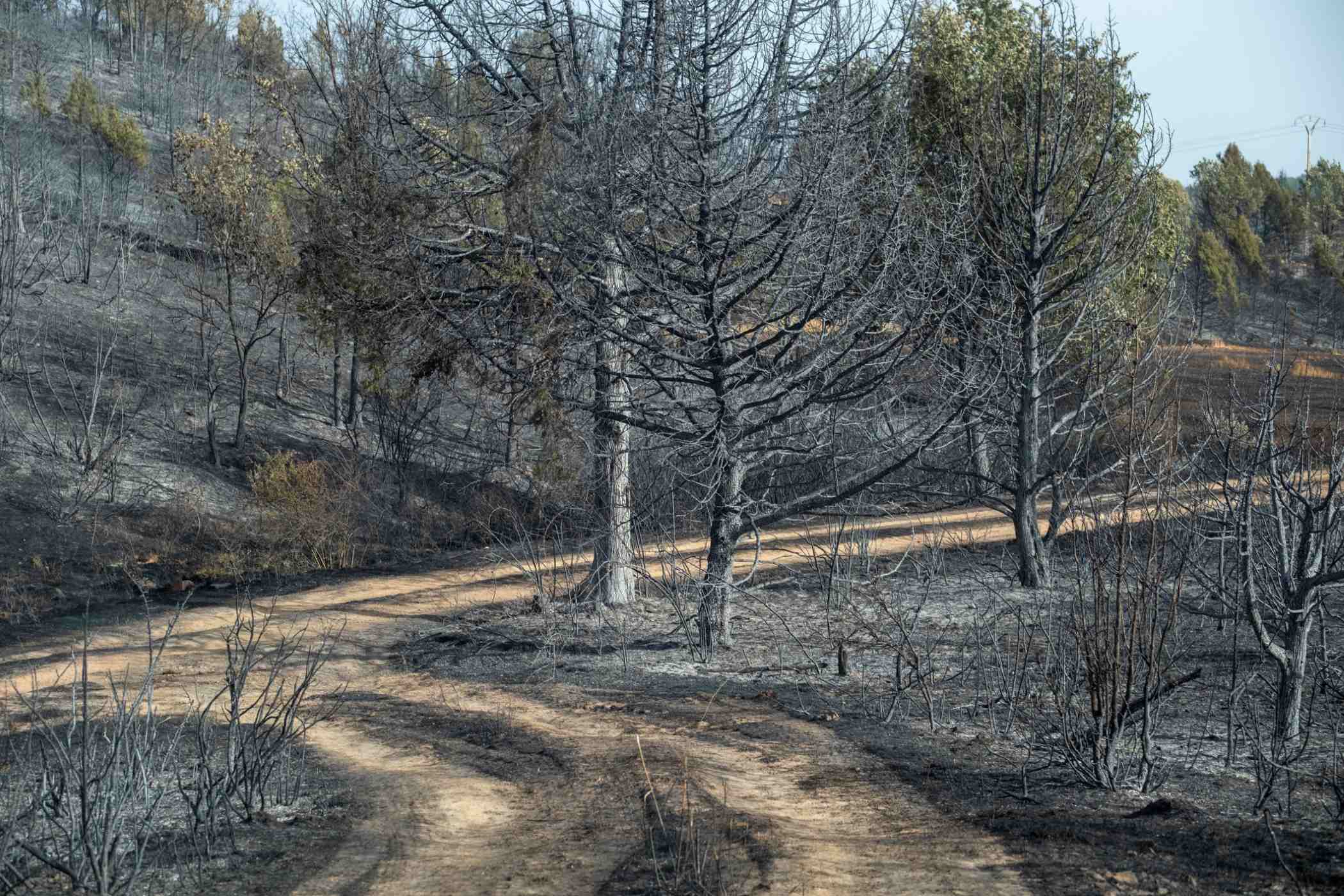
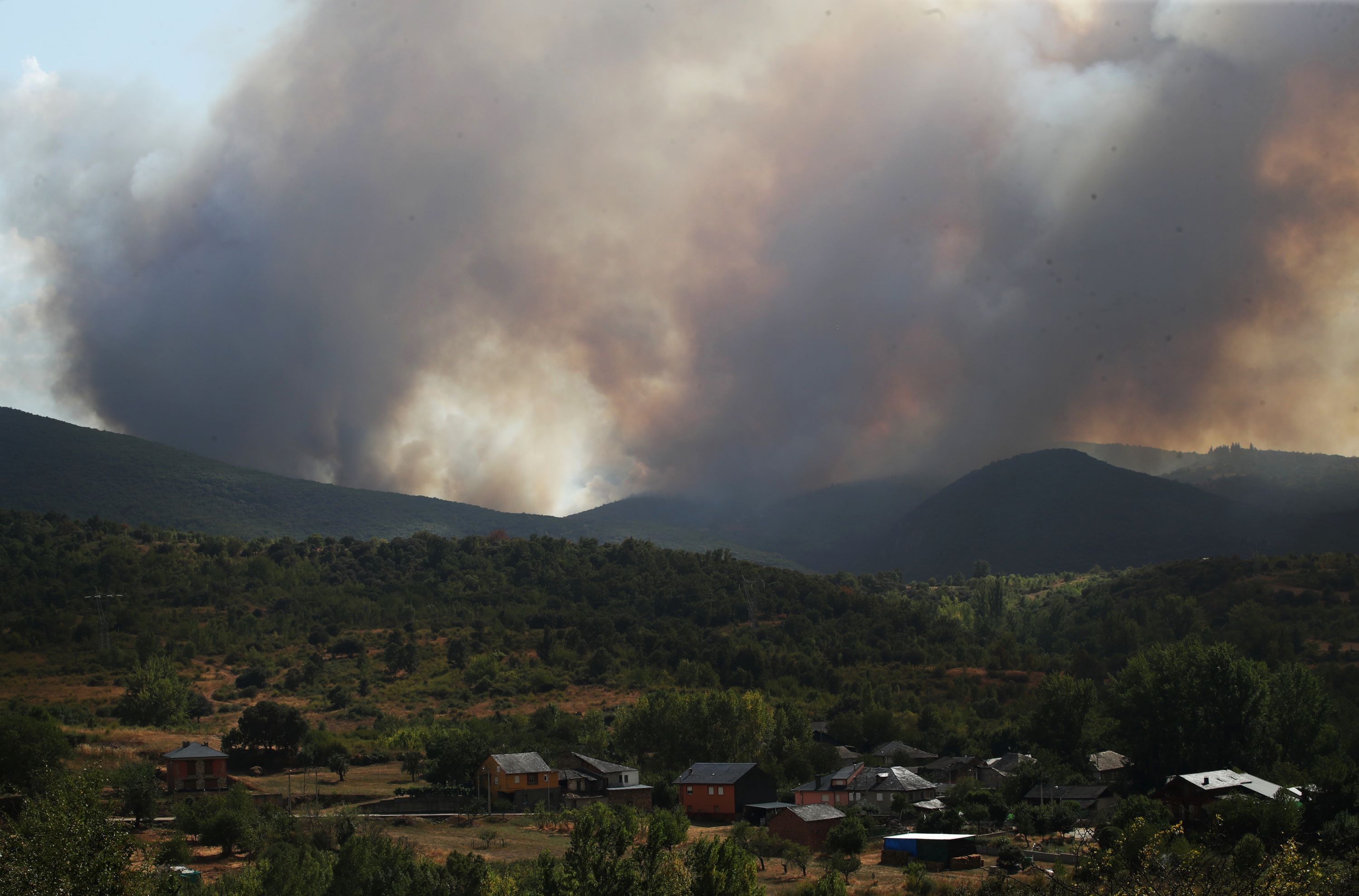
Climate change has made the hot, dry and windy weather conditions that spread fires across the Iberian Peninsula 40 times more frequent and 30% more intense than in the pre-industrial climate, according to a rapid study by World Weather Attribution. The ten-day heatwave was also 200 times more likely and 3°C hotter due to climate change. The study, which analysed weather observations rather than climate models, warns that fires in Europe are overwhelming firefighting resources and highlights the importance of controlling vegetation in affected areas.


0

Extreme heat and wind keep numerous fires burning on the peninsula

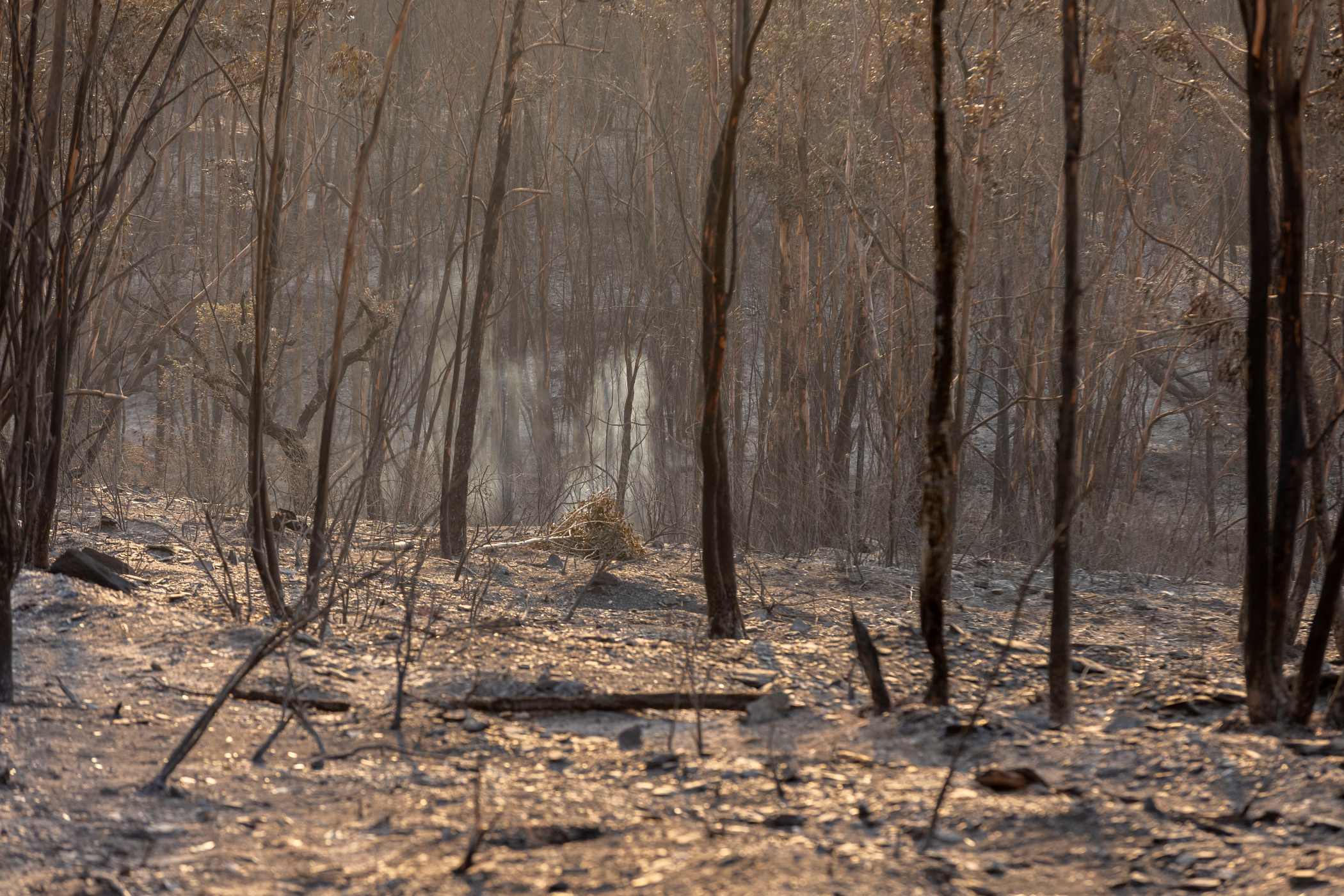
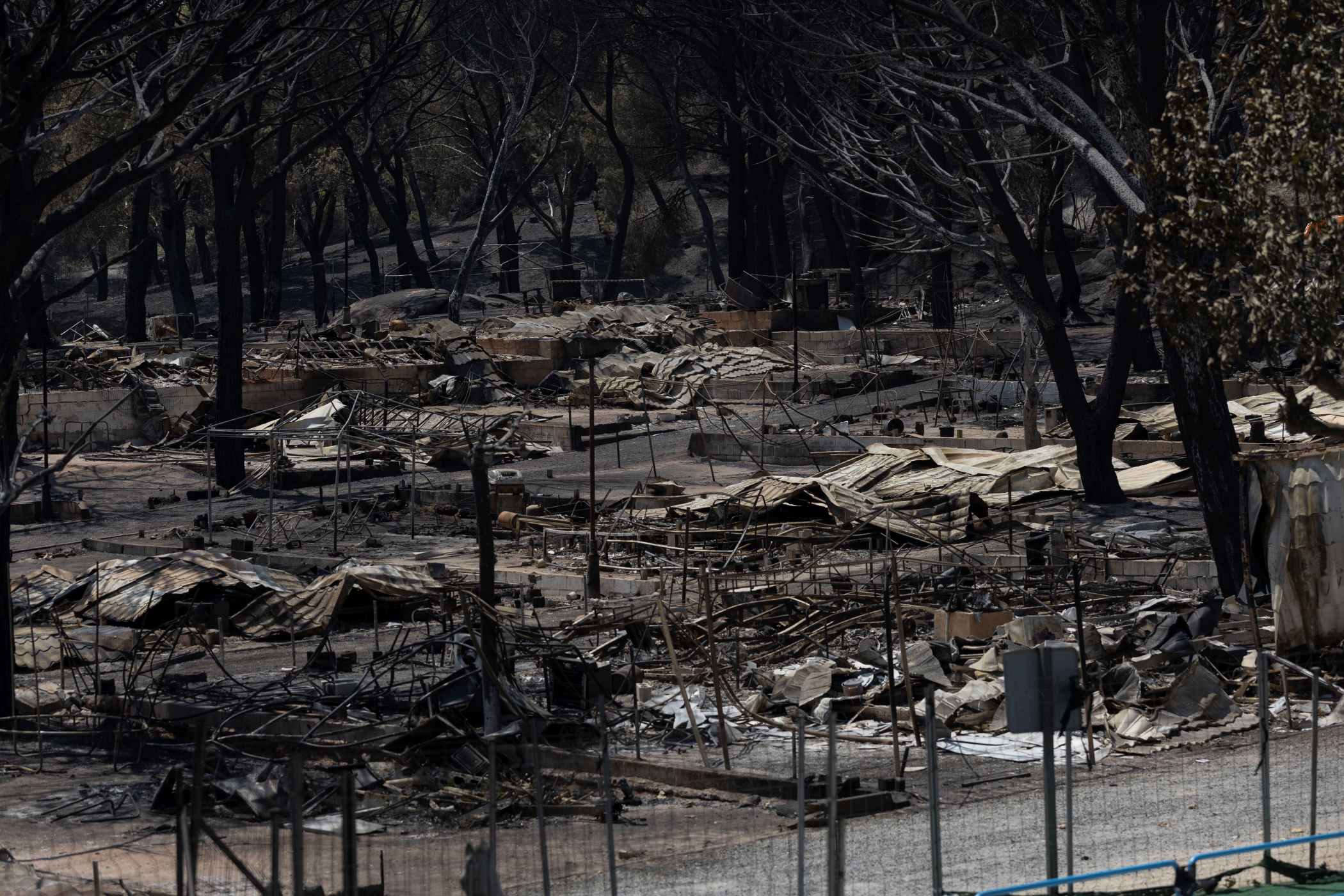
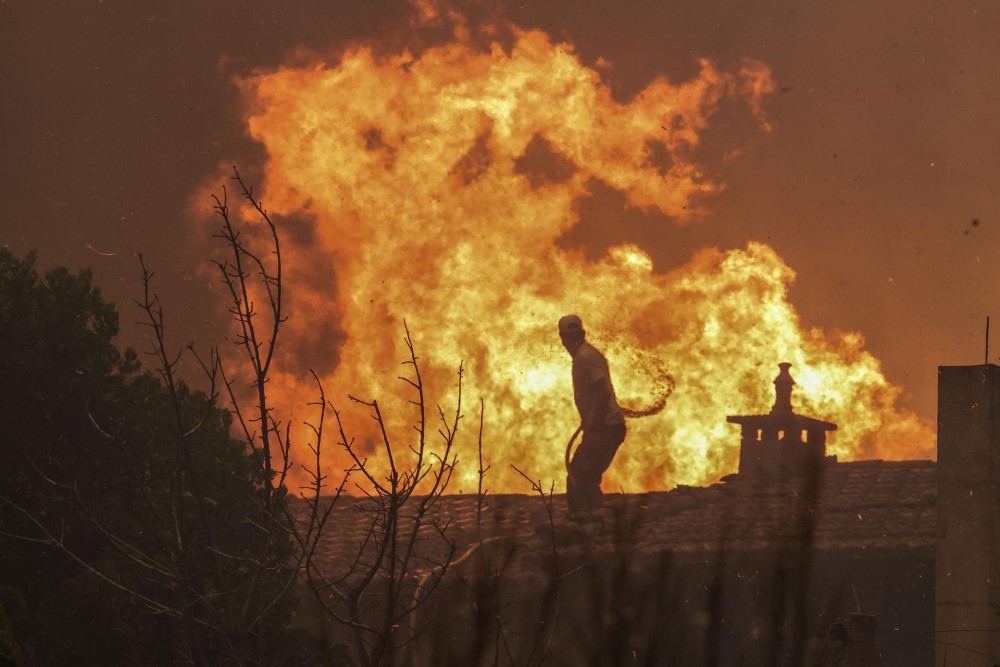
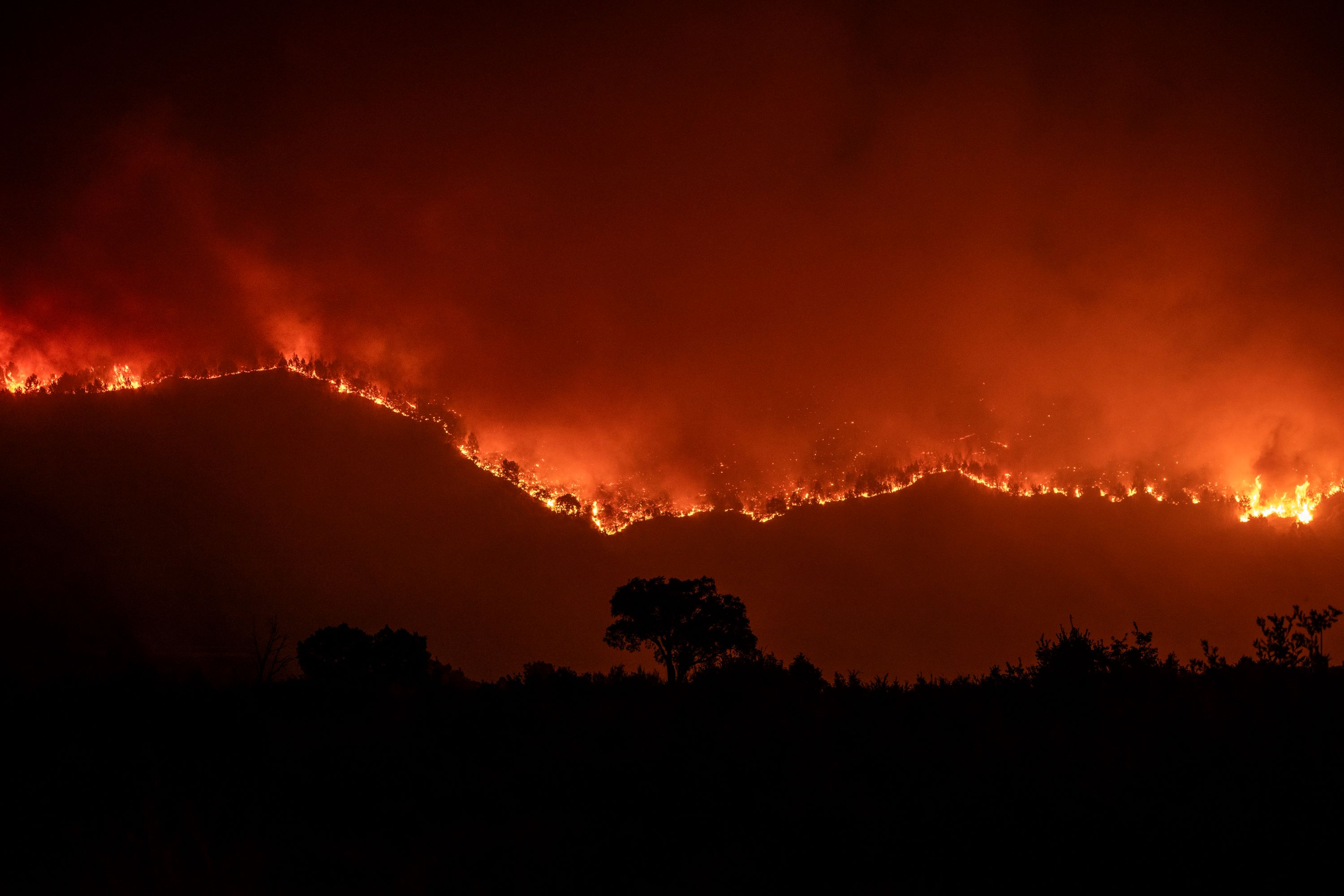
Four people have died in the fires that began last weekend on the Iberian Peninsula and have spread to different areas of Galicia, Castile and León, Andalusia, Castile-La Mancha, Extremadura and Madrid. The heatwave that continues to grip the country, strong gusts of wind and their changing direction, and the thermal drought are hampering firefighting efforts. The government declared on Tuesday a pre-emergency phase and thousands of people have had to be evacuated.

0

The decline of European forests in their role in combating climate change is analyzed

Forests cover approximately 40% of Europe's land area. Between 1990 and 2022, they absorbed around 10% of the continent's emissions from human activity, but this process is slowing down. An international team, including CREAF and CSIC, analyzes this decline and its causes in an article and proposes possible solutions. The work is published in the journal Nature.  

0

The frequency of certain fires in cities will increase in the coming decades

According to a modelling study published in Nature Cities, the frequency of some types of fires in cities is expected to increase in the coming decades as a result of climate change. This increase would be seen in vehicle fires and in those that occur outdoors. The conclusions are based on data from more than 2,800 cities in 20 countries and could be useful for future urban planning and emergency response strategies.

0

The wildland-urban interface, which is vulnerable to fires, has grown by 35% since 2000

The interface between wildland and urban areas - areas that are at risk of devastating fires - has grown by 35.6 per cent between 2000 and 2020, says a study based on satellite data. The increase has accelerated since 2010 due to growing urbanisation, reaching 1.93 million square kilometres worldwide, adds the study published in Science Advances.

0

The increase in wildfires raises the temperature of the Earth's surface

More frequent and severe wildfires increase the temperature of the exposed land surface one year after the fire, according to an analysis of forest satellite data collected from 2003 to 2016. In recent decades, large wildfires have doubled or tripled their average size in eastern Spain, Canada, and western United States, as noted in the research published in Nature. The authors call for consideration of these effects on surface temperature when managing forests.

0

Reactions: the wildfire in Tenerife forces thousands of people to evacuate although they manage to stabilize it in some points

The fire that originated on August 15 between the Tenerife municipalities of Arafo and Candelaria, in the northeast of the island, is advancing on several fronts and has affected more than 13,000 hectares, although the firefighting services have stabilized it in some points. The people evacuated in the last days have been thousands. As confirmed by the president of the Canary Islands, Fernando Clavijo, the fire has been caused.

0