virology

virology

virology

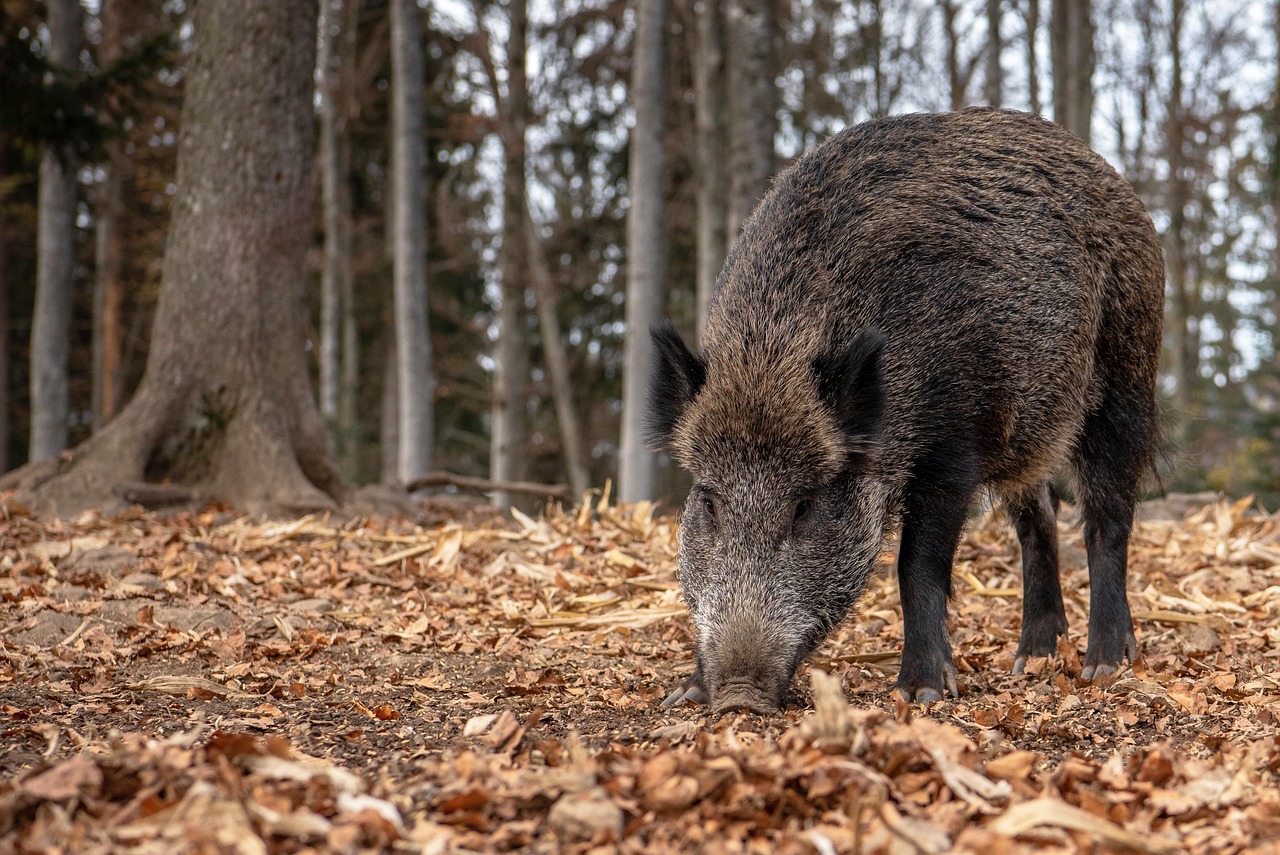
Spain detects two cases of African swine fever in two wild boars in Bellaterra (Barcelona)

The veterinary services of the Catalan Regional Government have notified the Ministry of Agriculture, Fisheries, and Food of the detection of two wild boars positive for African swine fever virus in Bellaterra (Barcelona), where they were found dead on November 26. These cases represent the first detection of the disease in Spain since November 1994, according to the ministry in a press release. African swine fever is considered a Category A disease by the European Union, which means that member states must take measures to control and eradicate it as soon as possible. It is a non-zoonotic disease, meaning that humans are not susceptible to infection either through contact with animals or through the consumption of animal products.

0

Oropouche fever: how concerned should we be about the spread of this disease?

The Pan American Health Organisation has maintained its epidemiological alert for Oropouche fever since it was first issued in February 2024. Although the virus only circulates endemically in the Americas, the importation of cases to Europe following international travel is keeping health agencies and authorities on alert.

0

Oral norovirus vaccine shows positive results in phase 2 clinical trial

According to the results of a phase 2 trial, an oral norovirus vaccine generated a strong mucosal immune response and even reduced viral shedding in vaccinated volunteers. Signs of the vaccine's efficacy support its potential to address the lack of safe and reliable vaccines against this virus, which is a major cause of gastrointestinal infections worldwide. The results were published today in the journal Science Translational Medicine.

0

Humans may already have antibodies capable of recognizing avian influenza virus, study shows

A team of researchers from the USA has analyzed the B lymphocytes of seven healthy people in whom no exposure to H5 influenza viruses, such as the avian flu virus, had been documented. The results show that they present antibodies capable of recognizing this type of virus, which, according to the authors, could represent “a first line of defense” in the event of a pandemic. The results are published in the journal Science Immunology.

0

Questions and answers on the Marburg virus outbreak in Rwanda

In Rwanda, according to the latest ECDC data, 25 cases and 11 deaths have been detected in what is already the third largest outbreak of the Marburg virus to date. The WHO considers the overall risk to be low and possible imported cases from Belgium and Germany - reported only yesterday in Hamburg - have proved to be false alarms. What is of concern is the national and regional spread of a virus for which mortality can be as high as 88% and for which there is no treatment or vaccine. In this article we answer the main questions.

0

Farmed fur animals may carry viruses with high zoonotic potential

A study carried out in China has analyzed tissues from 461 fur animals, mostly farm-raised. They found 125 virus species, 39 of which presented a high risk of interspecies transmission. According to the authors, who publish the results in the journal Nature, “there is a need for more extensive and regular surveillance to assess the public health risks that could result from fur animal farming”.

0

High-risk Human Papillomavirus (HPV) genotypes linked to reduced male fertility

The sperm of men infected with high-risk genotypes of the human papillomavirus (HPV) suffers more damage from oxidative stress and has a weaker immune response, which can lead to reduced fertility. This is one of the conclusions of a study published in the journal Frontiers in Cellular and Infection Microbiology. The research compared the semen of 20 adults infected with high-risk genotypes, seven infected with low-risk genotypes, and 43 adults without infections.

0

The EU considers the risk of mpox spreading to the general population ‘low’ and does not rule out more imported cases

With the increase in cases of mpox, the European Union's Health Security Committee met on Monday. According to the Ministry of Health, the meeting concluded ‘with recommendations very similar to those previously issued by the WHO and the ECDC’. The risk of the likelihood of mpox spreading to the general EU population is currently considered to be ‘low’, although it increases in populations with close contact with diagnosed cases and in particularly vulnerable people. Further imported cases in the EU are not excluded and vaccination of the general population is not recommended. In addition, the HSC does not recommend border control.  
 

0

New variant of mpox confirmed in Sweden

Sweden's public health agency issued a statement on Thursday indicating that a person has been diagnosed with mpox - formerly called monkeypox - caused by variant clade I. According to the Swedish agency, this is the first case of this variant to be diagnosed outside the African continent. The person would have been infected during a stay in a part of Africa where there is an outbreak of this variant of mpox, according to the statement. The announcement comes a day after the World Health Organisation declared the mpox outbreak a public health emergency of international concern.

0