science communication

science communication

science communication

Floods and DANAS: key tips for effective communication

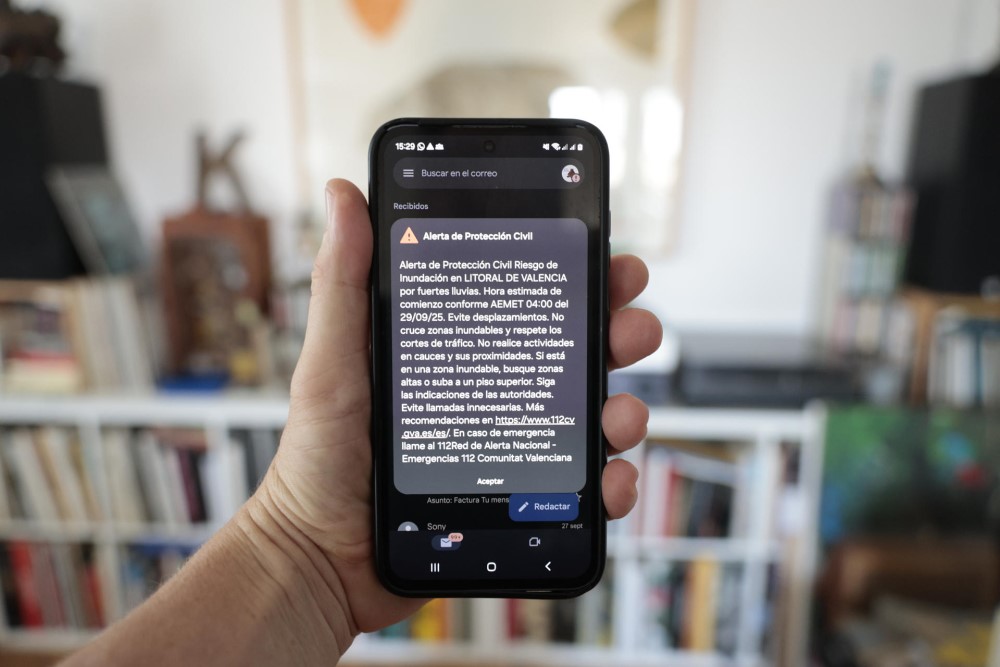
The devastating floods in Valencia in October 2024 and the rainfall alert issued on September 28, 2025, showed that the way we communicate risks can make a difference, for better or for worse. This article presents eight key points for journalists, public officials, communicators, and anyone else interested in communicating better about floods and other crises.

0

‘Science’ retracts controversial article on bacteria that used arsenic to grow, published in 2010

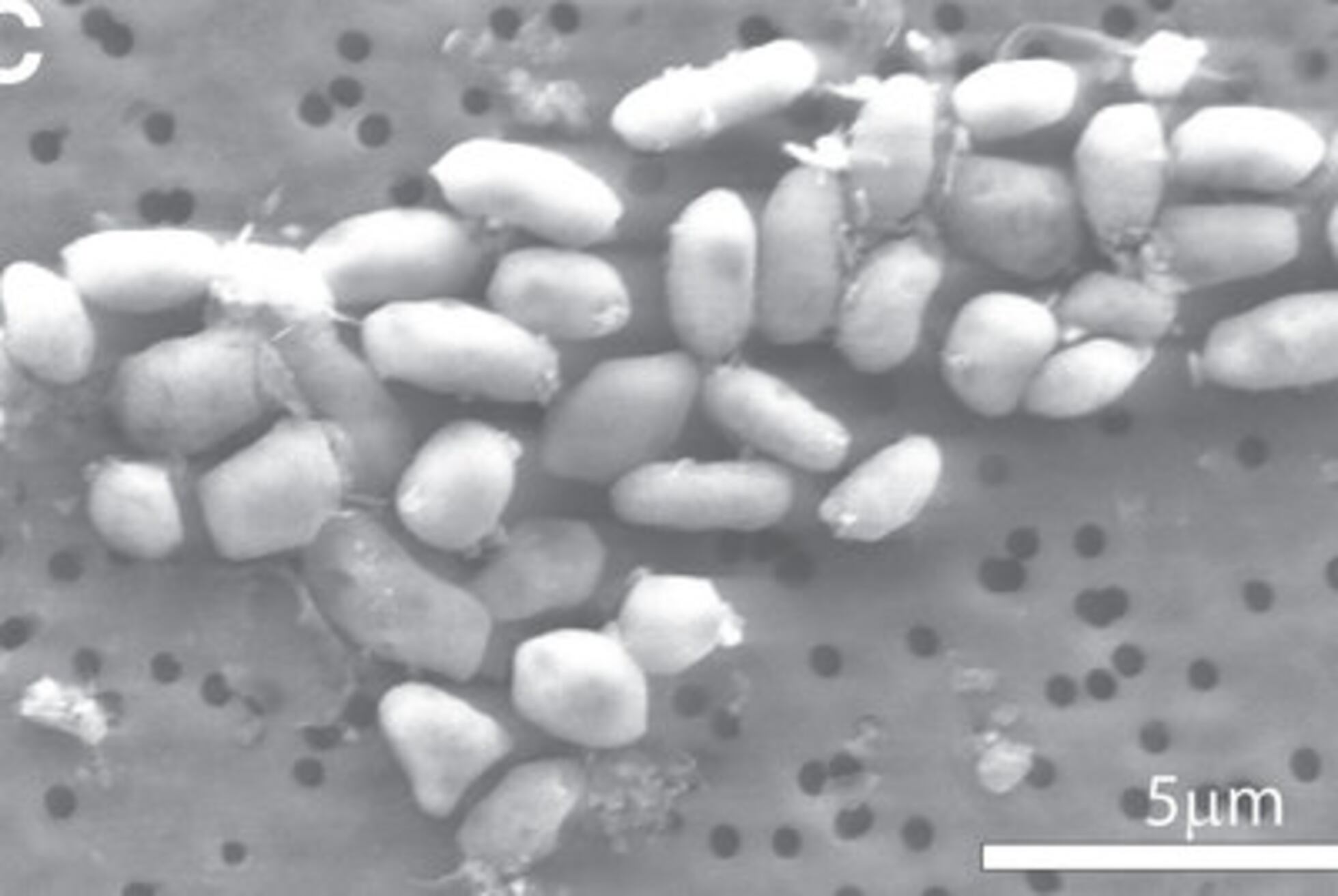
The research article A bacterium that can grow by using arsenic instead of phosphorus was one of the big science stories because it discussed the possibility of arsenic-based life. However, it has been the subject of criticism until now. After nearly 15 years of debate and failed attempts by other groups to replicate the findings, Science has now decided to retract the article, despite finding no evidence of fraud or misconduct on the part of the authors, who disagree with the decision.

0

The Spanish population trusts science, but demands more communication and citizen engagement, according to FECYT's survey on social perception

Spanish citizens trust science and researchers, and want them to be more involved in the issues that affect people's lives. Television and social media are the most commonly used channels for obtaining information on these topics. 81.4% recognise that climate change is a serious problem and, with regard to AI, although more than 80% use it, there is concern about its risks and governance. These figures come from the latest edition of the FECYT's biennial Social Perception of Science and Technology Survey (EPSCT) 2024.


0

More than 40% of Americans will lose confidence in public health recommendations following changes in federal leadership

A survey conducted in the United States by the Harvard Opinion Research Program shows that more than four in ten American adults (44%) say that changes in federal leadership will cause them to lose confidence in the recommendations of public health agencies, compared to 28% who say they will trust them more. The survey, which included a sample of more than 3,300 participants aged 18 and older, also revealed that other health issues have strong support among Democrats and Republicans, such as chronic disease prevention, pandemic protection, and reducing maternal and infant mortality.

0

Are extreme weather events the only threat from climate change?

Despite the overwhelming evidence, climate change denialist messages have found a loudspeaker in certain social networks. Of importance in this disinformation strategy is the attempt to discredit the scientific community in general, and climate researchers and weather forecasters in particular. However, the study of climate and the prediction and monitoring of adverse weather phenomena is in the interest of society as a whole.

1

Women scientists contribute less than male researchers as expert media sources; barriers include lack of time due to family responsibilities, SMC Spain survey shows

The report Participation of women scientists as expert sources in the media: motivations and obstacles, carried out by FECYT's SMC España with the Gureiker research group (UPV/EHU) analyses the data from a survey, a pioneer in Spain, on the factors that influence the media participation of scientists as expert voices. All the people contacted as information sources by the SMC Spain team were surveyed over a three-month period, starting in March 2024. Of the sources consulted, 43.91% were women and 56.09% were men. However, of the total number of people who accepted SMC's proposals and appeared as sources, 37.66% were women and 62.34% were men. The greater media exposure of male scientists benefits them for future interventions. In terms of barriers that prevent researchers from speaking in the media, lack of time due to family responsibilities affects female scientists (22.95 % of respondents) more than male scientists (10 %).  

0

Populist attitudes towards science in Spain analysed

Populist movements often pit people against political elites, but they can also target academic elites. Science-related populism pits ‘ordinary people’ and common sense against academic elites and scientific knowledge. A report published by FECYT analyses this phenomenon in Spain for the first time. Science Media Centre España organised an informative meeting with its authors to explain the main results.

0

A report analyses the level of scientific populism in Spain for the first time

The Spanish Foundation for Science and Technology (FECYT) has produced a report that compiles the results of a pioneering survey in the country on populist attitudes related to science. The research explores, among other issues, the consumption of scientific information, public perceptions of the role of science in politics and society, the benefits of science, attitudes towards technologies such as vaccines and issues such as climate change.

0

Spanish population, among the most trusting in scientists, according to a study in 68 countries

An international study on public trust in science conducted in 68 countries, including Spain, has found that most people trust scientists and believe that they should be more involved in society and in policy-making. In addition, a majority of survey participants believe that researchers should play a more active role in society and in political decision-making. The Spanish population's confidence in science ranks seventh out of the 68 countries analysed. The research, which surveyed 71,922 people, provides the largest global data set on trust in scientists since the covid-19 pandemic. The study is published in the journal Nature Human Behaviour and has Spanish participation, led by FECYT.

0

The science of 2024: our top ten most-read headlines

At this point, it is difficult to decide which science news has been the most relevant to make one of those end-of-year lists that we like so much. Luckily, the SMC Spain metrics help us to make this selection with a criterion that does not have the consistency of a peer review, but that works: the democracy of the click. These are the ten most visited articles (and a self-promotion tip).

0