one health

one health

one health

A WHO report warns that one in six confirmed bacterial infections in 2023 was resistant to antibiotics

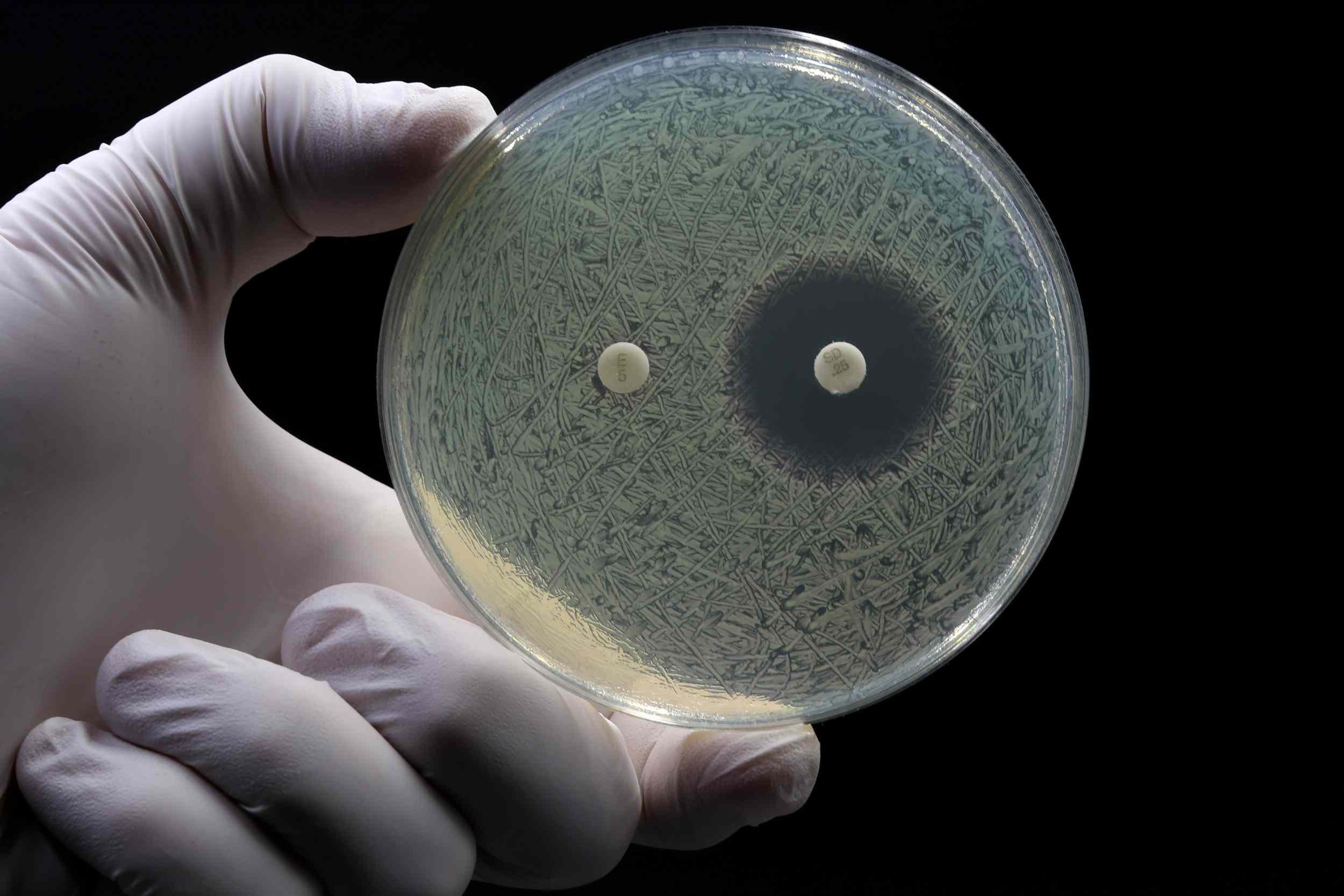
In 2023, one in six laboratory-confirmed bacterial infections were found to be resistant to antimicrobials, according to a report published by the World Health Organisation (WHO). Between 2018 and 2023, resistance increased in more than 40% of monitored antibiotics, which ‘is limiting empirical treatment options and driving a shift from oral to intravenous treatments, including greater reliance on second-line and last-resort antibiotics,’ the report warns. For example, globally, nearly 45% of Escherichia coli bacteria are resistant to third-generation cephalosporins, a proportion that varies from 20% in Europe to more than 70% in Africa.

0

Two mutations identified that make the avian flu virus more dangerous in the United States than in Europe

The North American strain of the H5N1 avian influenza virus has been shown to be capable of causing outbreaks in mammals such as cows, something not seen elsewhere in the world, including Europe. An international team has identified and tested two mutations in ferrets that may explain improved adaptation and greater virulence. According to the authors, who published the results in the journal Science Advances, the finding "highlights the urgent need for strengthened surveillance and targeted interventions.

0

Cases of avian influenza in birds are on the rise in Spain, which has lost its disease-free status

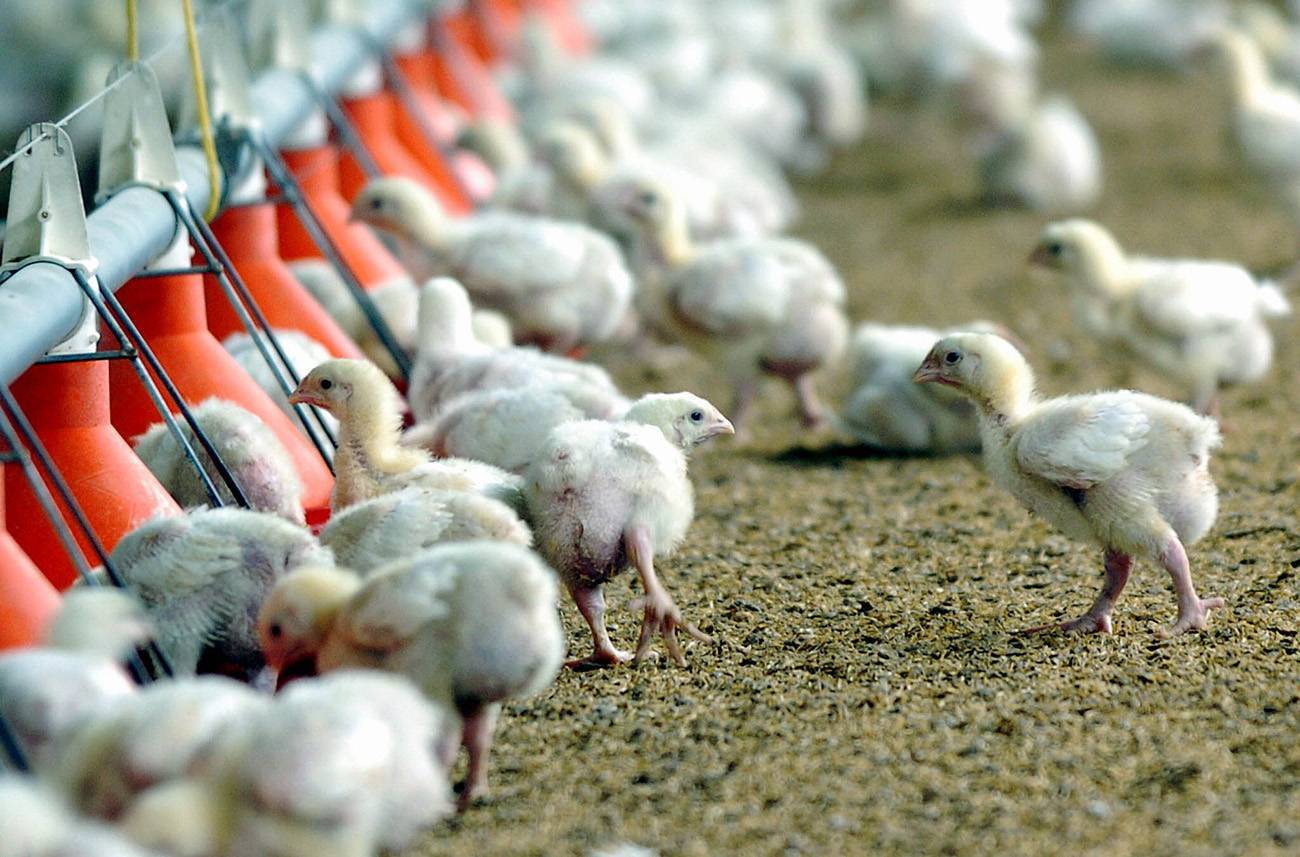
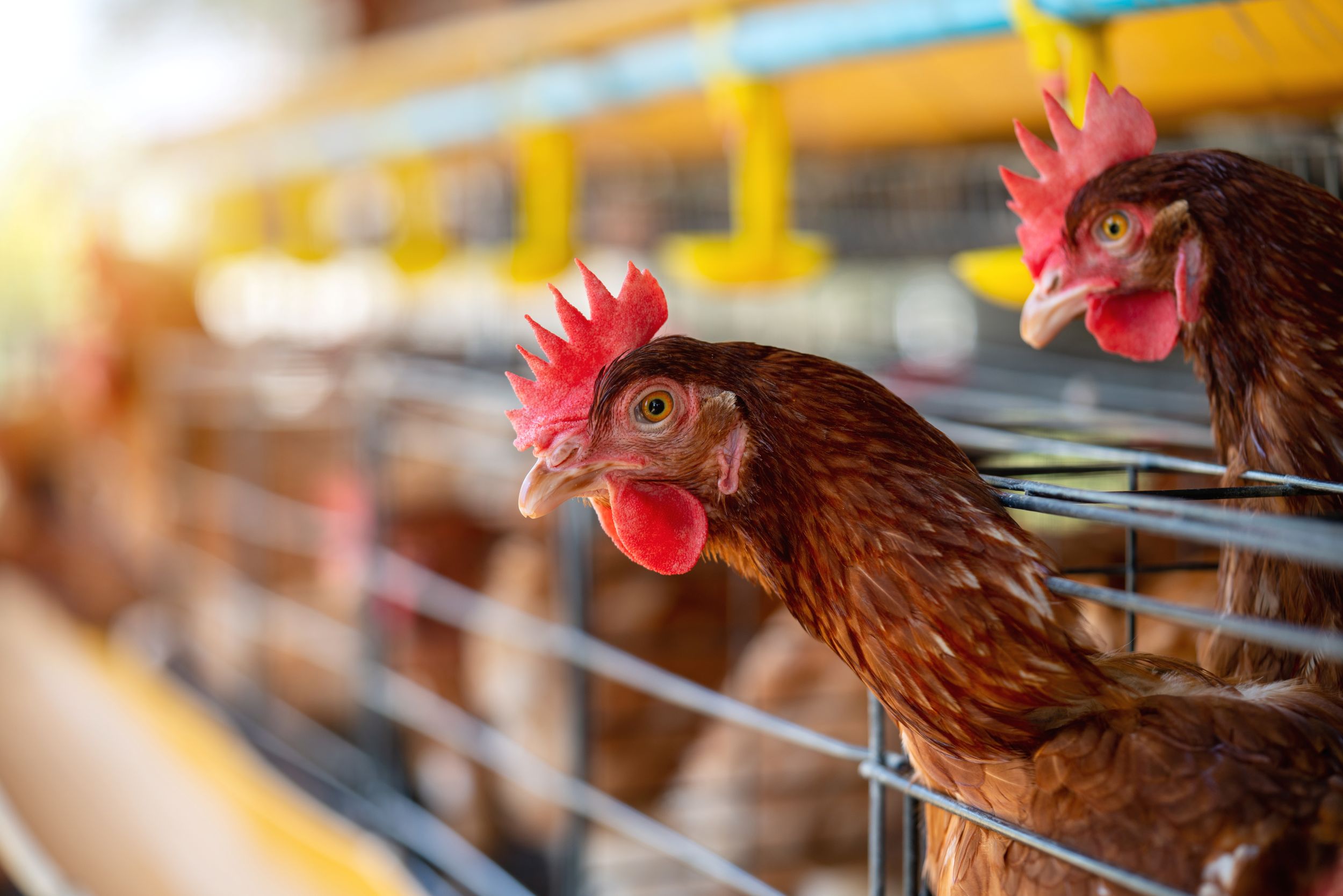
Avian influenza has returned to Spain this summer. In addition to a few cases in wild birds, since 18 July there have been several outbreaks in poultry in different autonomous communities, causing the country to lose its disease-free status. To answer questions about the situation, its possible causes, evolution and consequences, SMC Spain organised an information session with researchers Inmaculada Casas, Ursula Höfle and Elisa Pérez Ramírez.


0

The decline of large scavengers could increase the risk of disease for humans

A team from Stanford University (USA) has analysed the conservation status of 1,376 species of scavenger animals. The results, published in the journal PNAS, indicate that 36% of them are threatened or in decline, especially large species and obligate scavengers, which depend exclusively on carrion for food. In contrast, the number of small and facultative scavengers, such as rodents, for which carrion is not their only source of food, is increasing. According to the authors, this ‘could increase the risks of diseases that large scavengers have helped to mitigate’.

0

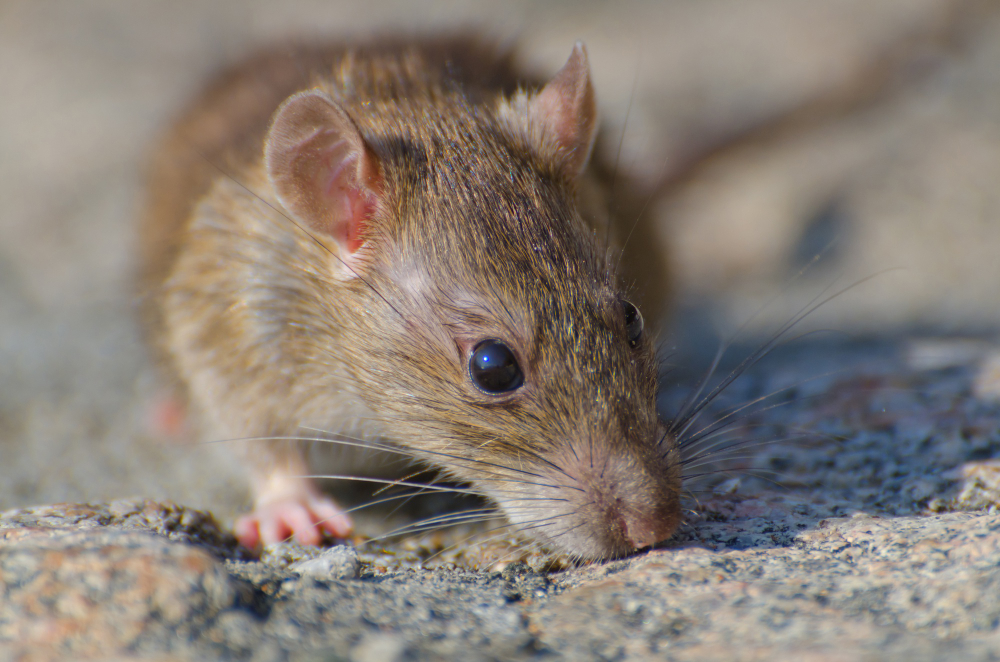
12% of rodents harbour human pathogens

A review published in Science estimates that 2 % of rodent species are hyper-reservoirs, hosting and transmitting more than three pathogens to humans, including Lyme disease, Lassa fever and plague. In addition, the authors estimate that 10 % of rodents are reservoirs for one to three pathogens. These are especially so-called synanthropic species - animals that live close to humans and are able to adapt to these environments - such as black rats, Norway rats and house mice.

0

Farmed fur animals may carry viruses with high zoonotic potential

A study carried out in China has analyzed tissues from 461 fur animals, mostly farm-raised. They found 125 virus species, 39 of which presented a high risk of interspecies transmission. According to the authors, who publish the results in the journal Nature, “there is a need for more extensive and regular surveillance to assess the public health risks that could result from fur animal farming”.

0

The H5N1 avian influenza virus is transmitted between mammals from contaminated cow's milk and reaches the mammary glands

The H5N1 avian influenza virus can be transmitted between mammals, according to a study published in Nature. The research team isolated the virus from the milk of an infected cow in New Mexico (USA) and found that it spreads in mice and ferrets, reaching the mammary glands of both animals. In addition, the virus was also transmitted from infected lactating mice to their offspring. The European Centre for Disease Prevention and Control (ECDC) has issued a press release on Monday recommending increased surveillance for these viruses.


0

Article examines how dogs can be 'sentinels' of human health

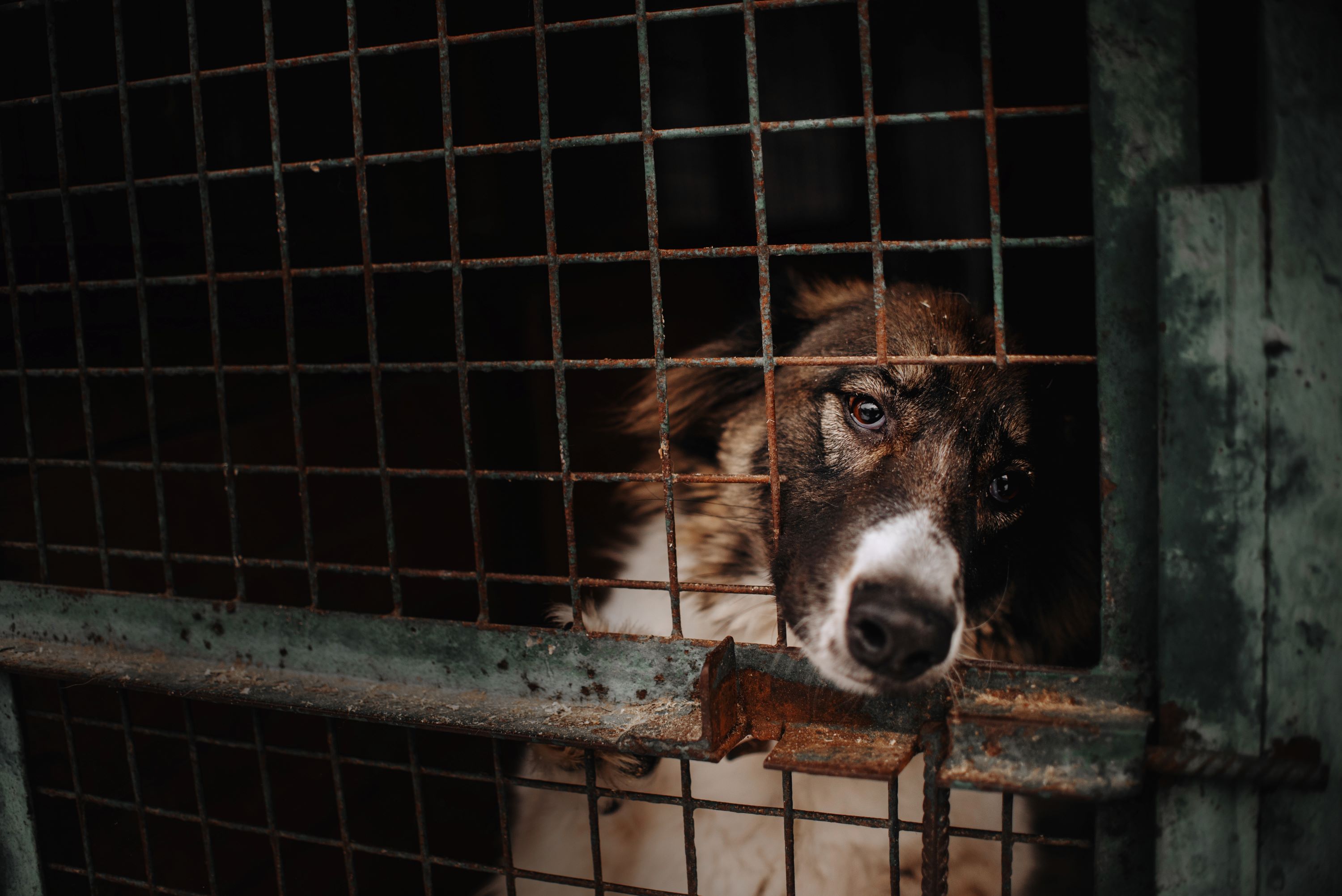
Dogs and other pets can be sentinels for human health, two US researchers argue in the journal Science. Because they share the same environment as their owners, dogs can help study, for example, the epidemiology of vector-borne pathogens, the effects of exposure to heavy metals and endocrine disruptors, and even the effects of social adversity. Improving canine data collection would help assess the health of people who cohabit with dogs, the authors argue. 

0

Reaction: Zoonoses from domestic animals pose an underestimated but very real threat, review finds

A review examines the role of domestic and semi-domestic animals, such as cats, in the emergence of potential zoonoses due to their close contact with humans. The paper, published in the journal Science Translational Medicine, concludes that companion animal health risks will become increasingly problematic with climate change and rapid urbanisation.

0