neuroscience

neuroscience

neuroscience

Reaction: Rats have imagination, according to a study

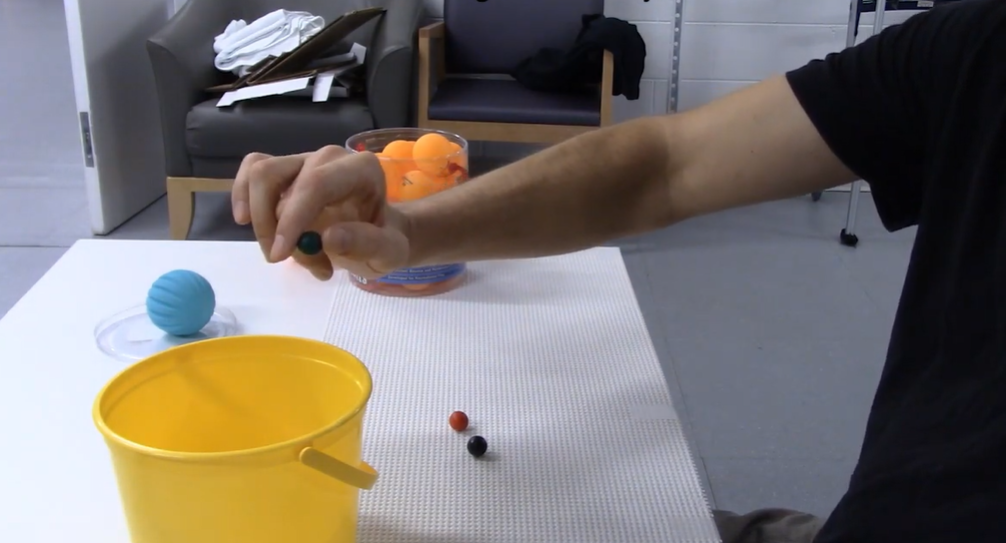
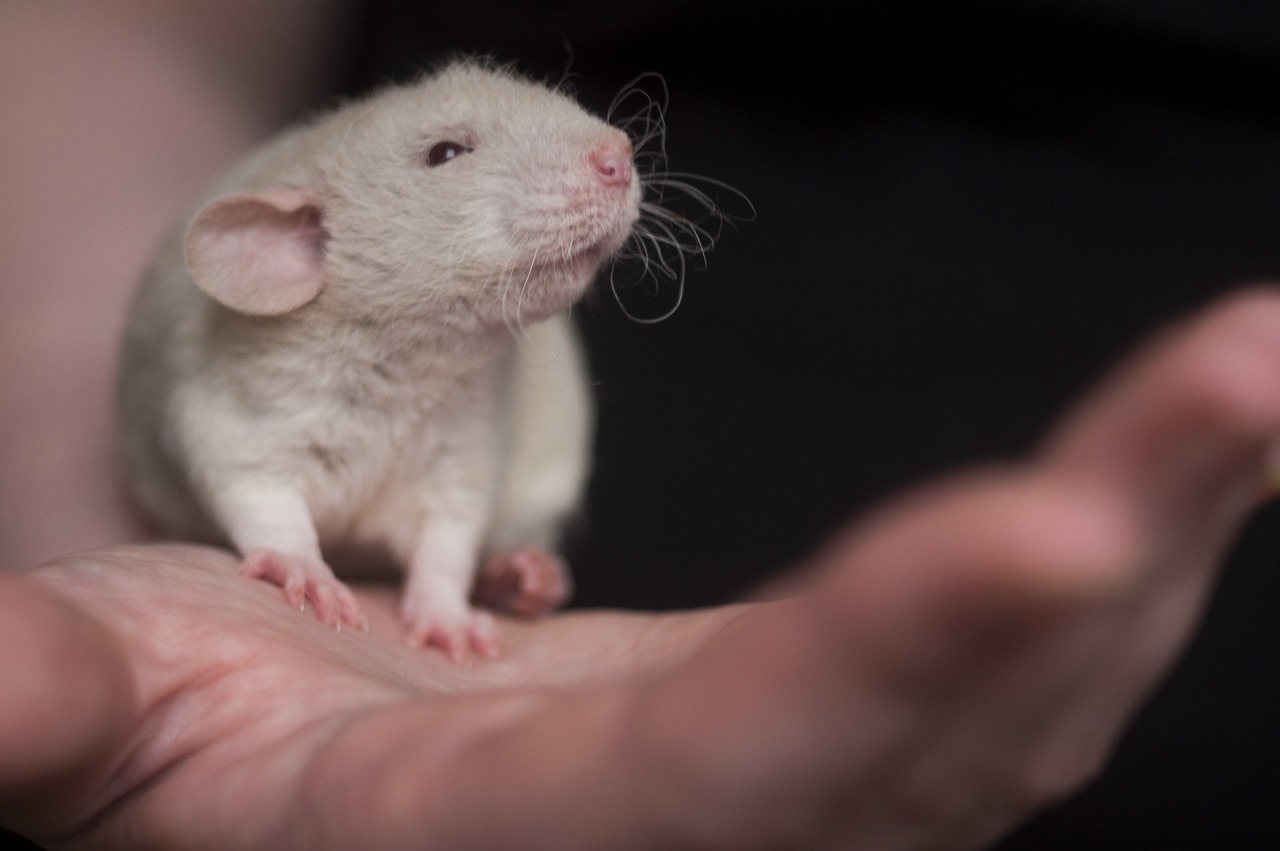
A research group has developed an innovative system that combines virtual reality and a brain-machine interface to probe the inner thoughts of rats. The results of their research, published in Science, suggest that, much like humans, animals can think about places and objects that are not right in front of them, using their thoughts to imagine walking to a location or moving a remote object to a specific point.

0

Reactions to the publication of the world's largest high-resolution atlas of brain cells

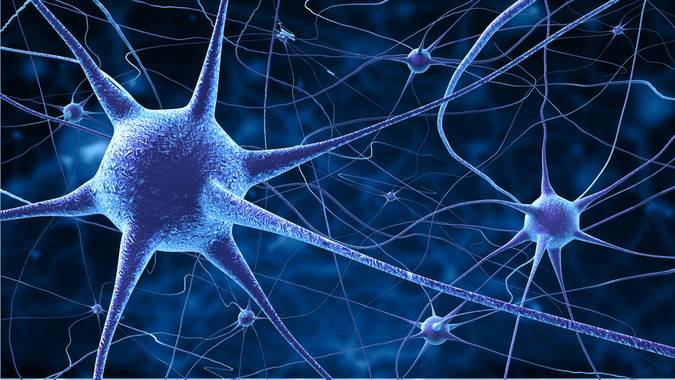
The Science group of journals publishes several parts of a high-resolution atlas of human brain cells, the largest 'map' of its kind to date. It is a series of papers from an international mega-project, the Brain Research through Advancing Innovative Neurotechnologies (BRAIN) Initiative - Cell Census Network (BICCN), launched in 2017 to study brain cell types and their functions in humans, non-human primates and rodents. The data "will now allow researchers to address fundamental scientific questions about the human brain and its genetic organisation," states the introduction to the journal's special issue.

0

Reactions: traumatic experiences can be passed on to offspring and reversed with drug in mice

Early-life adversity, such as separation from the mother, can alter the neurological functioning of mice, causing some to experience panic and anxiety later in life. A study shows that these changes can be passed on for at least two generations and that inhalation of a drug, the diuretic amiloride, can reverse them. According to the authors, this treatment could be used in the future to alleviate panic disorders and related conditions in humans. The results are published in the journal Science Advances.

0

Reactions: hibernation-like state induced in rats and mice by ultrasound

By directing ultrasound to a specific area of the brain, scientists at the University of Washington have succeeded in inducing a state very similar to hibernation in rats and mice. This state, called "torpor", involves a reduction in metabolism and body temperature to save energy. According to the authors, who publish their results in the journal Nature Metabolism, if it could be applied to humans it could be used in space travel or in medicine, to increase the chances of survival in life-threatening situations such as heart attacks or strokes.

0

Reaction: Frequent social media checking linked to changes in the adolescent brain

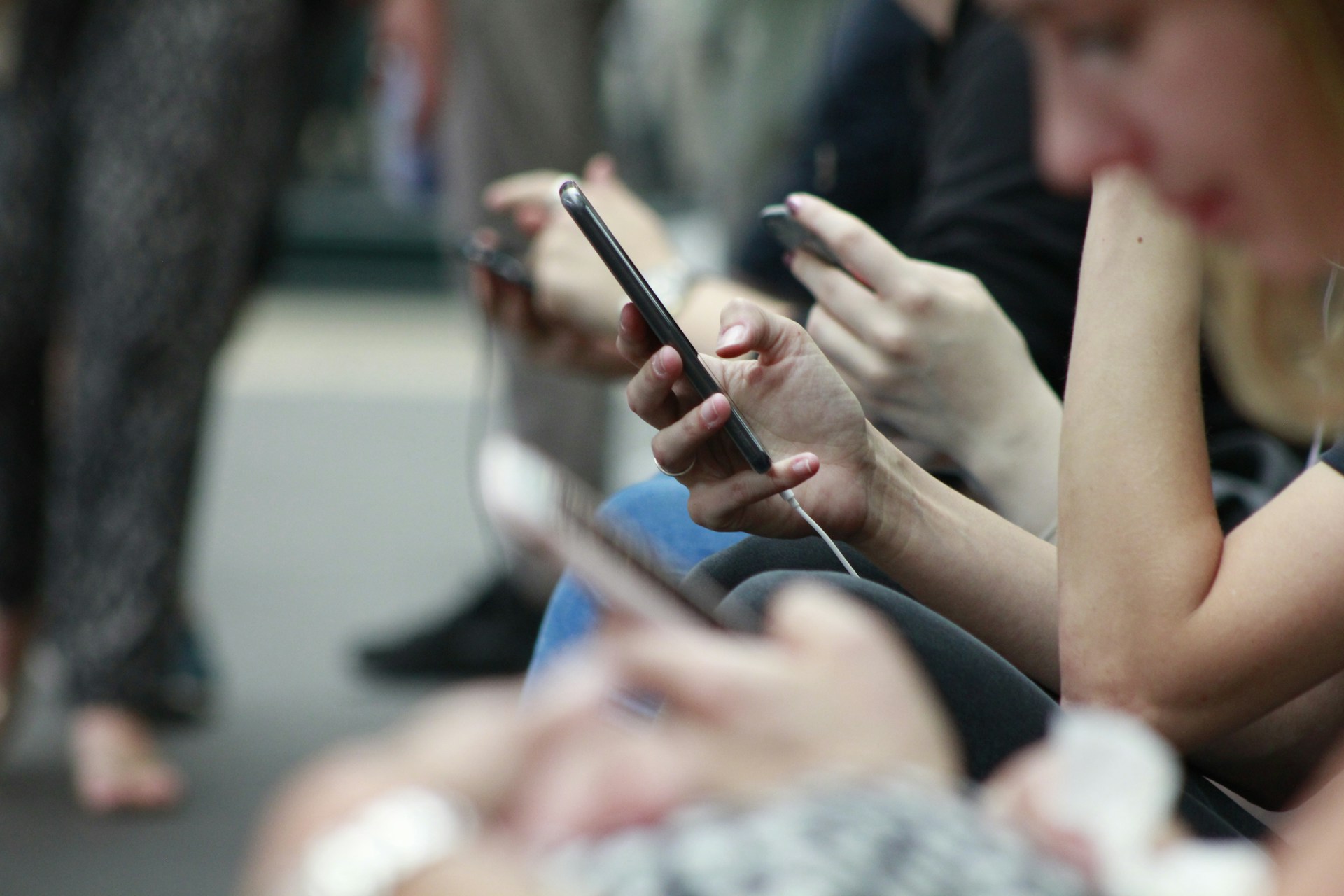
Constant checking of social media activity in early adolescence is associated with changes in the brain's sensitivity to rewards and punishments. This is the conclusion of a study involving 169 12- and 13-year-old students in the United States with Facebook, Instagram and Snapchat profiles, according to JAMA Pediatrics.

0