inequality

inequality

inequality

Inequalities in the medical profession: why women fail to reach leadership positions

Every 11 February is celebrated as World Medical Women's Day, which coincides with the International Day of Women and Girls in Science, although its commemoration refers to Elizabeth Blackwell, the first woman to obtain a medical degree in the USA, in 1849. More than a century and a half later, despite the increasing number of women graduates, inequalities persist in the profession, especially in senior positions.

0

Women scientists contribute less than male researchers as expert media sources; barriers include lack of time due to family responsibilities, SMC Spain survey shows

The report Participation of women scientists as expert sources in the media: motivations and obstacles, carried out by FECYT's SMC España with the Gureiker research group (UPV/EHU) analyses the data from a survey, a pioneer in Spain, on the factors that influence the media participation of scientists as expert voices. All the people contacted as information sources by the SMC Spain team were surveyed over a three-month period, starting in March 2024. Of the sources consulted, 43.91% were women and 56.09% were men. However, of the total number of people who accepted SMC's proposals and appeared as sources, 37.66% were women and 62.34% were men. The greater media exposure of male scientists benefits them for future interventions. In terms of barriers that prevent researchers from speaking in the media, lack of time due to family responsibilities affects female scientists (22.95 % of respondents) more than male scientists (10 %).  

0

Trump announces US withdrawal from World Health Organisation

The new US president, Donald Trump, announced on his first day that the country will leave the World Health Organisation (WHO) within the next twelve months. The reasons behind the decision, according to him, are the ‘mismanagement of the covid-19 pandemic and other global health crises’, as well as ‘disproportionate payments compared to other countries’ dues’.

0

Wildlife surveillance technology used to observe women without their consent

En un parque nacional del norte de la India, una investigación ha revelado que hay hombres que usan las tecnologías de vigilancia de la fauna para observar a mujeres sin su consentimiento e intimidarlas. El estudio, realizado por la Universidad de Cambridge (Reino Unido), describe cómo individuos de pueblos cercanos al bosque y de gobiernos locales hacen un mal uso de cámaras, grabadoras de sonido y drones, originalmente destinados a vigilar áreas protegidas con fines de conservación de animales. Esas tecnologías “son fácilmente captadas para fines ajenos a la conservación que refuerzan normas patriarcales y propagan la violencia estructural de género”, denuncia la investigación, que se publica en Environment and Planning F

0

Study warns of inequality between countries in accessing new cancer drugs

Despite considerable advances in the discovery and development of new cancer drugs, there are significant disparities in both the availability and timeliness of these medicines around the world, with the poorest countries being left out, according to an analysis published in the journal BMJ Global Health. According to the study, few new cancer drugs were launched in low- and lower-middle-income countries, and the gap between rich and poor countries widened over the three decades between 1990 and 2022.

0

Climate change and an ageing population will accentuate disparities in heat and cold deaths in Europe

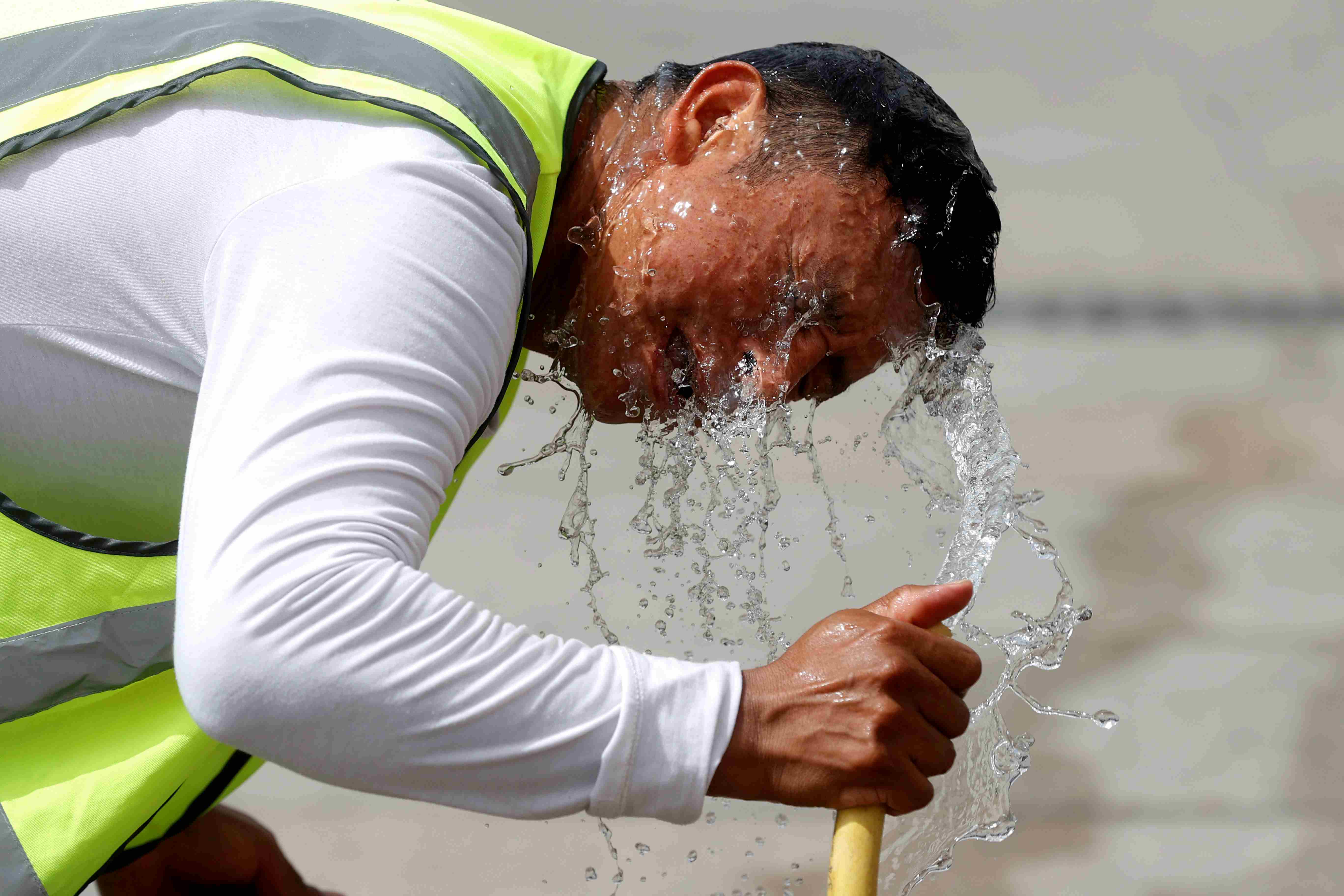
A modelling study published in The Lancet Public Health using data from 854 European cities estimates that heat-related deaths will triple in Europe by 2100 under current climate policies. A slight decrease in cold-related deaths is projected, while heat-related deaths will increase in all parts of Europe. The most affected areas will include Spain, Italy, Greece and parts of France. Currently, around eight times as many people in Europe die from cold as from heat, but this proportion is projected to decrease considerably by the end of the century.

0

A quarter of teenage girls who have been in a relationship worldwide have experienced partner violence by a male

24% of girls aged 15 to 19 who have been in a relationship have experienced physical or sexual violence by a male partner at some point in their lives, according to a global study with data from 161 countries between 2000 and 2018. Spain is in the group with the lowest prevalence (12% over their lifetime; 4% in the previous year), according to 2015 data. There is less violence against girls in countries with higher incomes, higher rates of girls in secondary education, and greater gender equality in inheritance laws, says the study published in The Lancet Child & Adolescent Health. 

0