evolutionary biology

evolutionary biology

evolutionary biology

Part of the history of our cells is being rewritten; they arose from a complex alliance among microorganisms
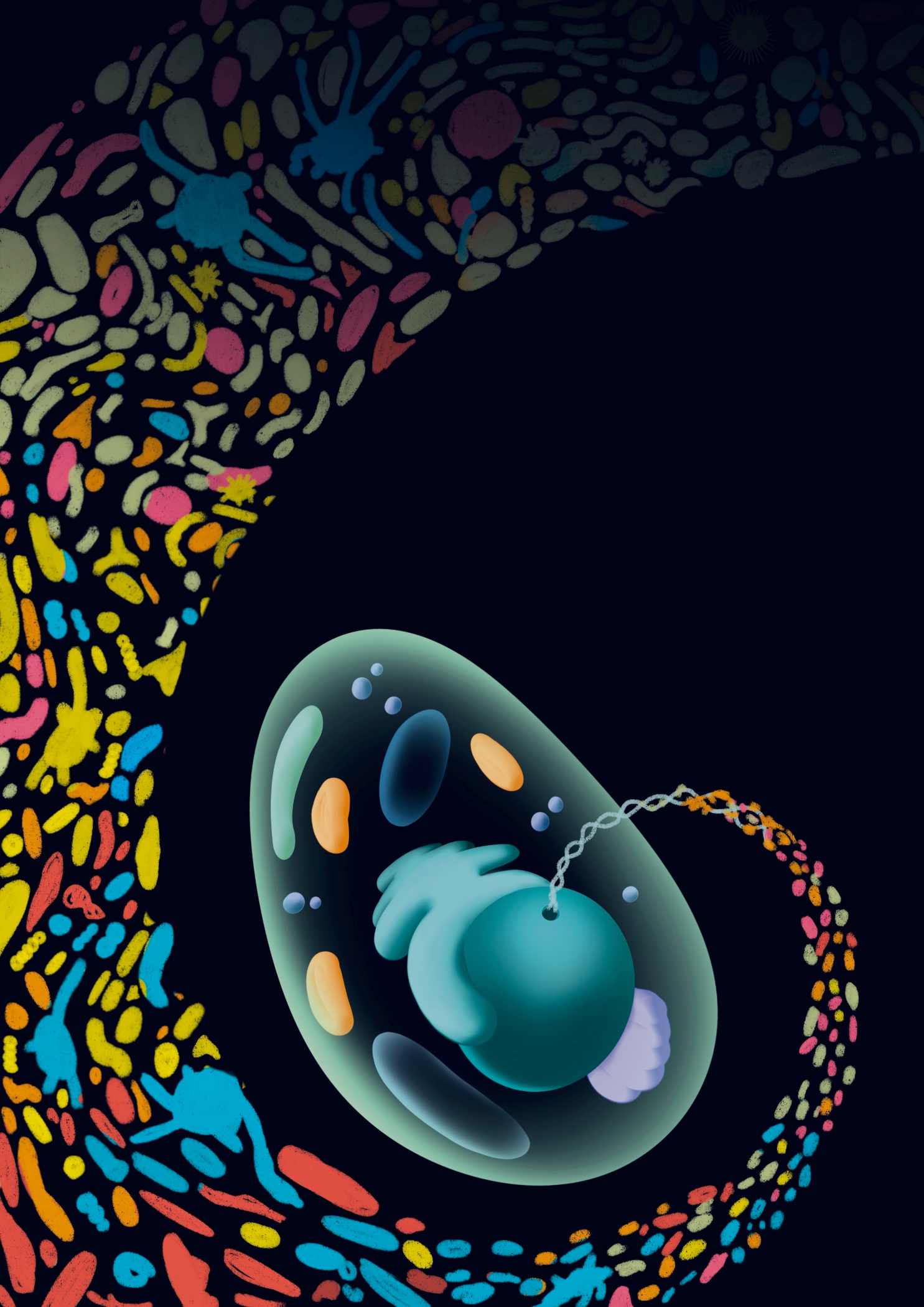
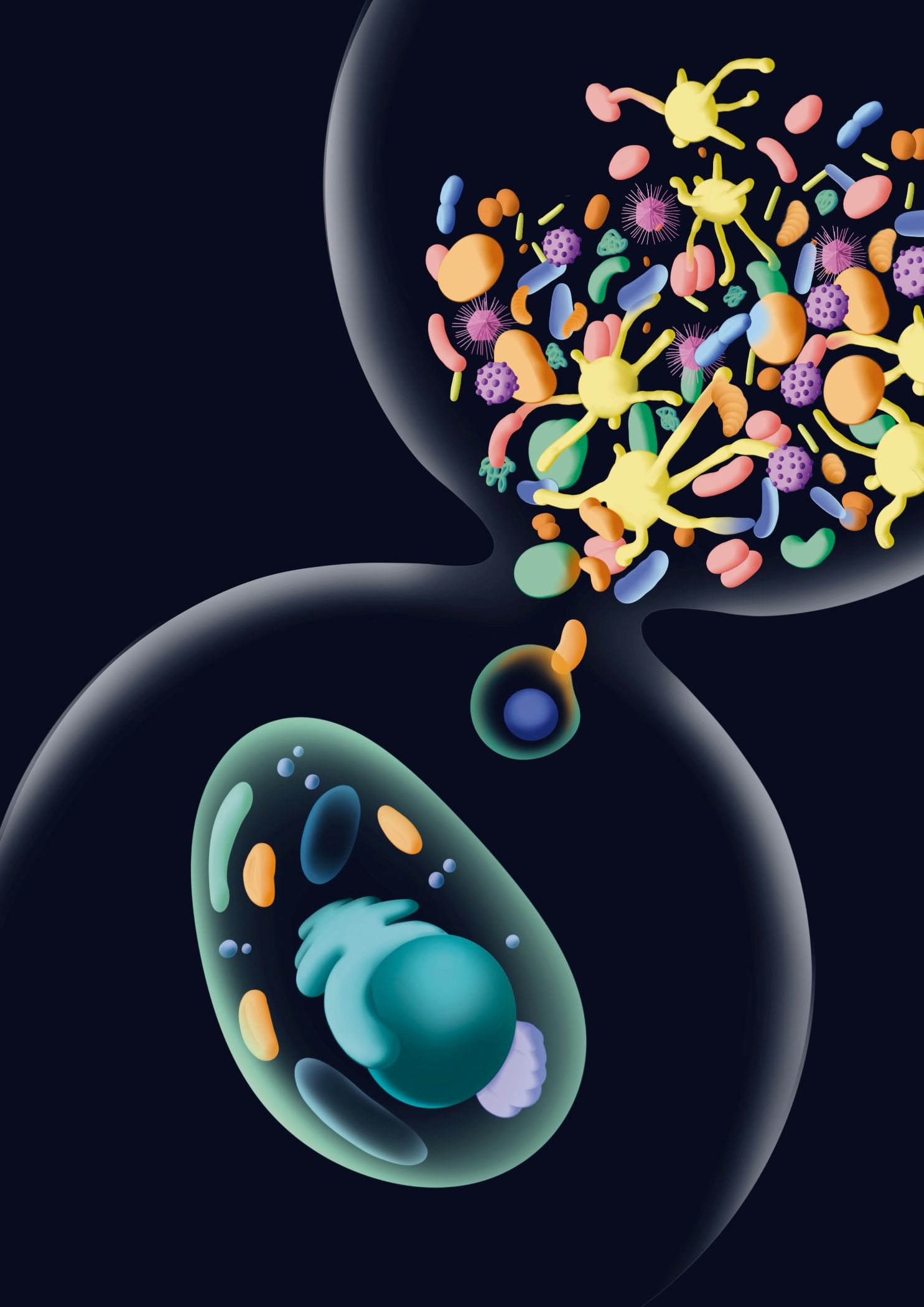
The origin and the process by which eukaryotic cells—the cells that make up animals, plants and fungi—first emerged remains one of the great unanswered questions in biology. The prevailing explanation, put forward by biologist Lynn Margulis, identified the union between an archaeon and a bacterium as the turning point. Now, a study carried out by IRB Barcelona and the Barcelona Supercomputing Center re-examines and expands on the current theory. The findings, published in the journal *Nature*, suggest that the process was longer and more complex than previously thought. At least two other different bacteria contributed to the development of eukaryotic cells, and giant viruses appear to have acted as vehicles for gene transfer. To explain the study, the Science Media Centre Spain organised a briefing with Toni Gabaldón, the lead researcher on the paper.
 

0

A Spanish study published in Nature reimagines the origin of our cells as a story of microbial alliances

The origin and the process by which eukaryotic cells arose remains one of the great unanswered questions in biology, with Lynn Margulis’s theories regarding the incorporation of a bacterium that would later become the mitochondrion marking a major turning point. Now, Spanish research carried out by IRB Barcelona and the Barcelona Supercomputing Center challenges this view. Without denying the role of mitochondria, it suggests that the process was longer and more complex than previously thought, stretching over hundreds of thousands of years. At least two other different bacteria contributed to the development of eukaryotic cells, and giant viruses appear to have acted as vehicles for genetic transfer. The findings, published in Nature, suggest a much more protracted and gradual process of exchange between microorganisms.

0

US company Colossal says it has developed artificial egg system to incubate extinct bird embryos

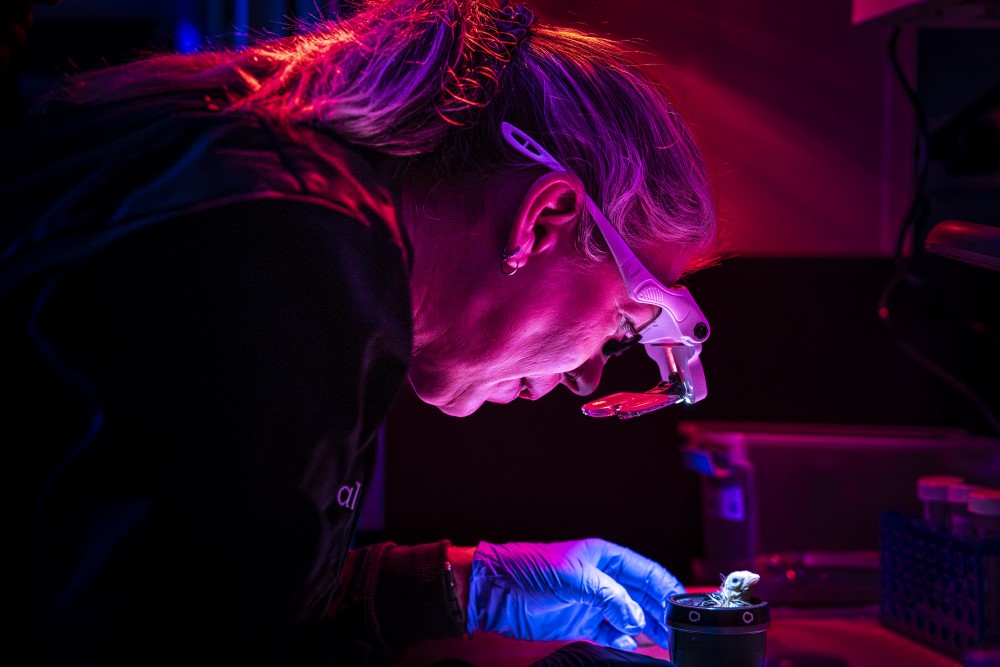
The US company Colossal Biosciences claims to have successfully incubated a bird in an artificial egg system until it hatched. In a press release, the company states that this technology allows a bird embryo to develop fully outside the shell of a biological egg, and could be used to bring back extinct bird species such as the giant moa from New Zealand’s South Island.

0

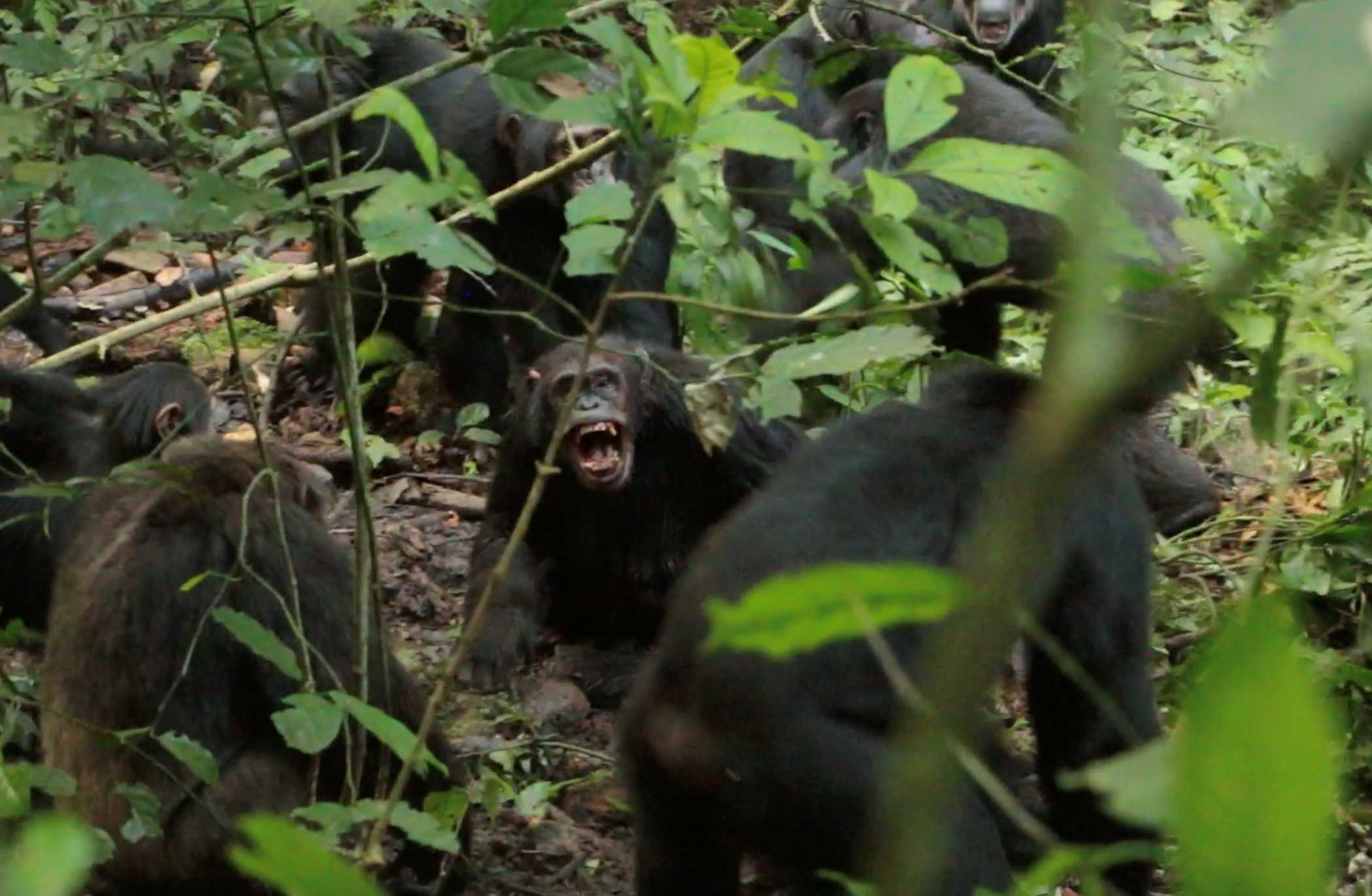
The largest known group of wild chimpanzees splits up and attacks one another, a very rare occurrence

Permanent splits in chimpanzee groups are extremely rare—an event that occurs once every 500 years, according to genetic evidence. The journal Science reports on the split of the largest known group of wild chimpanzees following 30 years of observations. This involves the Ngogo chimpanzees in Kibale National Park (Uganda). The group shifted from cohesion to polarization in 2015 and eventually split into two distinct groups in 2018. From that point on, violence escalated, and members of one group killed at least seven males and 17 infants from the other. In the 1970s in Gombe (Tanzania), another case of this type was documented, but the chimpanzees had been fed by humans-

0

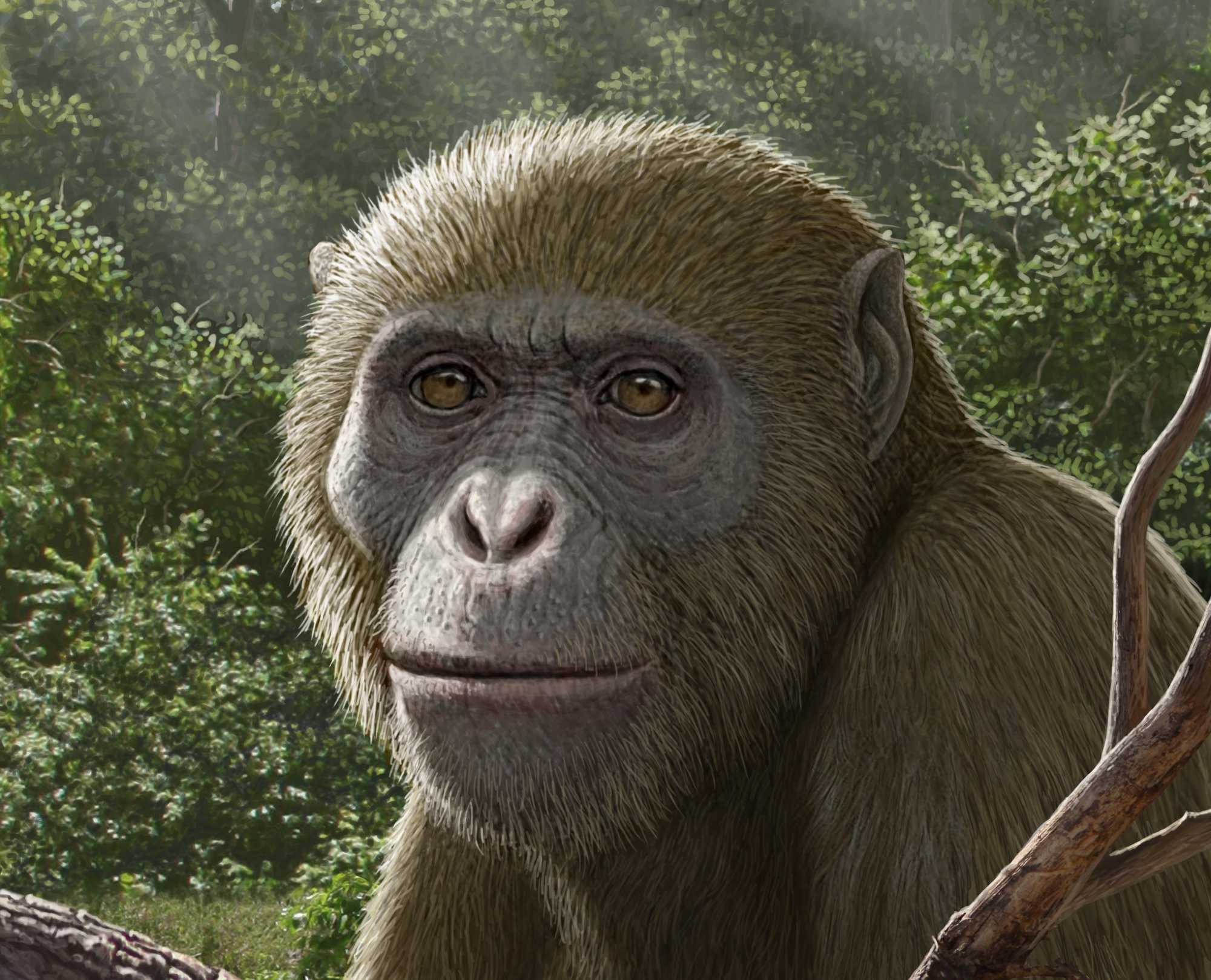
A new fossil suggests that the closest ancestors of modern apes originated in North Africa rather than in the East

A newly discovered ape fossil in northern Egypt suggests that the closest ancestors of modern apes may have originated in North Africa, outside the East African regions that have traditionally been studied. Dating back between 17 and 18 million years, the new species —Masripithecus moghraensis — represents the closest known hominid relative to the lineage that ultimately gave rise to all living apes, including humans. The study is published today in the journal Science. 

0

A tiny aquatic organism from the Caribbean coast is able to transition between its unicellular and multicellular forms through three different pathways

In the ephemeral pools along the coasts of the Caribbean island of Curaçao lives Choanoeca flexa, a tiny unicellular aquatic organism belonging to the choanoflagellates, important for being close relatives of animals. As the pools evaporate and refill, C. flexa can switch between unicellular and multicellular forms in three different ways: by division, by aggregation, or by combining both, mechanisms that were previously thought to be mutually exclusive. The discovery, published today in Nature, may challenge current understanding of the origins of multicellular life.

0

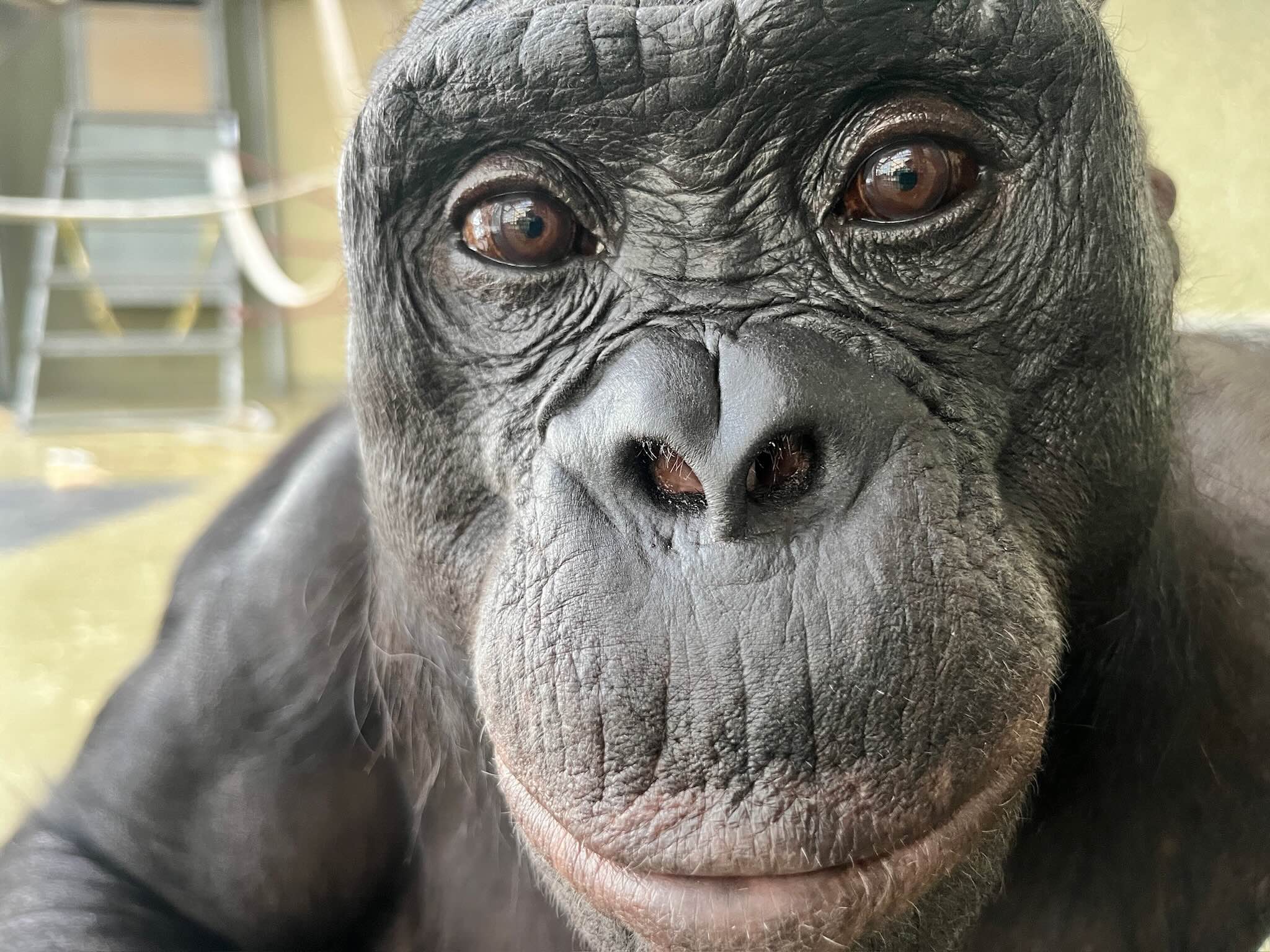
Bonobo Kanzi shows that the ability to imagine is not unique to humans

Two researchers from Johns Hopkins University (United States) have shown for the first time, through three experiments, that apes can use their imagination and play pretend, a skill previously thought to be unique to humans. During the study, Kanzi, a 43-year-old bonobo, tasted imaginary glasses of juice and bowls of imaginary grapes. According to the researchers, ‘imagination has long been considered a crucial element of the human condition, but the idea that it is not unique to our species is truly transformative.’ The results are published in Science.

0

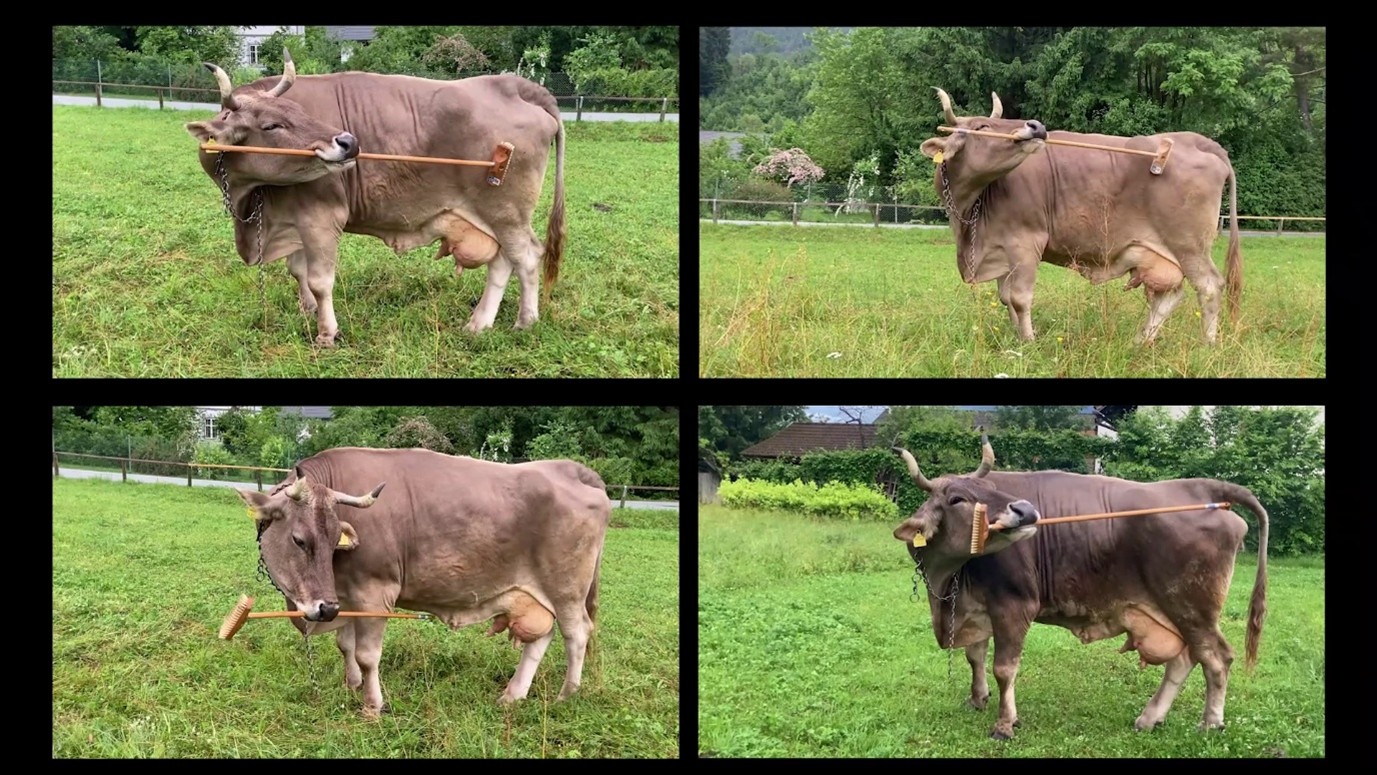
It is demonstrated for the first time that a cow can use tools

Two researchers from the University of Veterinary Medicine Vienna (Austria), one of them Spanish, have described for the first time the flexible use of tools in a cow, which, according to the authors, suggests that the cognitive abilities of cattle have been underestimated. The animal, named Veronika, was kept as a pet by an Austrian farmer, who observed that she occasionally picked up branches and used them to scratch herself. After several experiments, the researchers found that she could use different parts of the same tool for different purposes and apply different techniques depending on its function and the body region. Beyond humans, this has only been convincingly documented in chimpanzees, the researchers indicate. “The findings highlight how assumptions about cattle intelligence can reflect gaps in observation rather than true cognitive limitations,” they state. The results are published in Current Biology. 

0

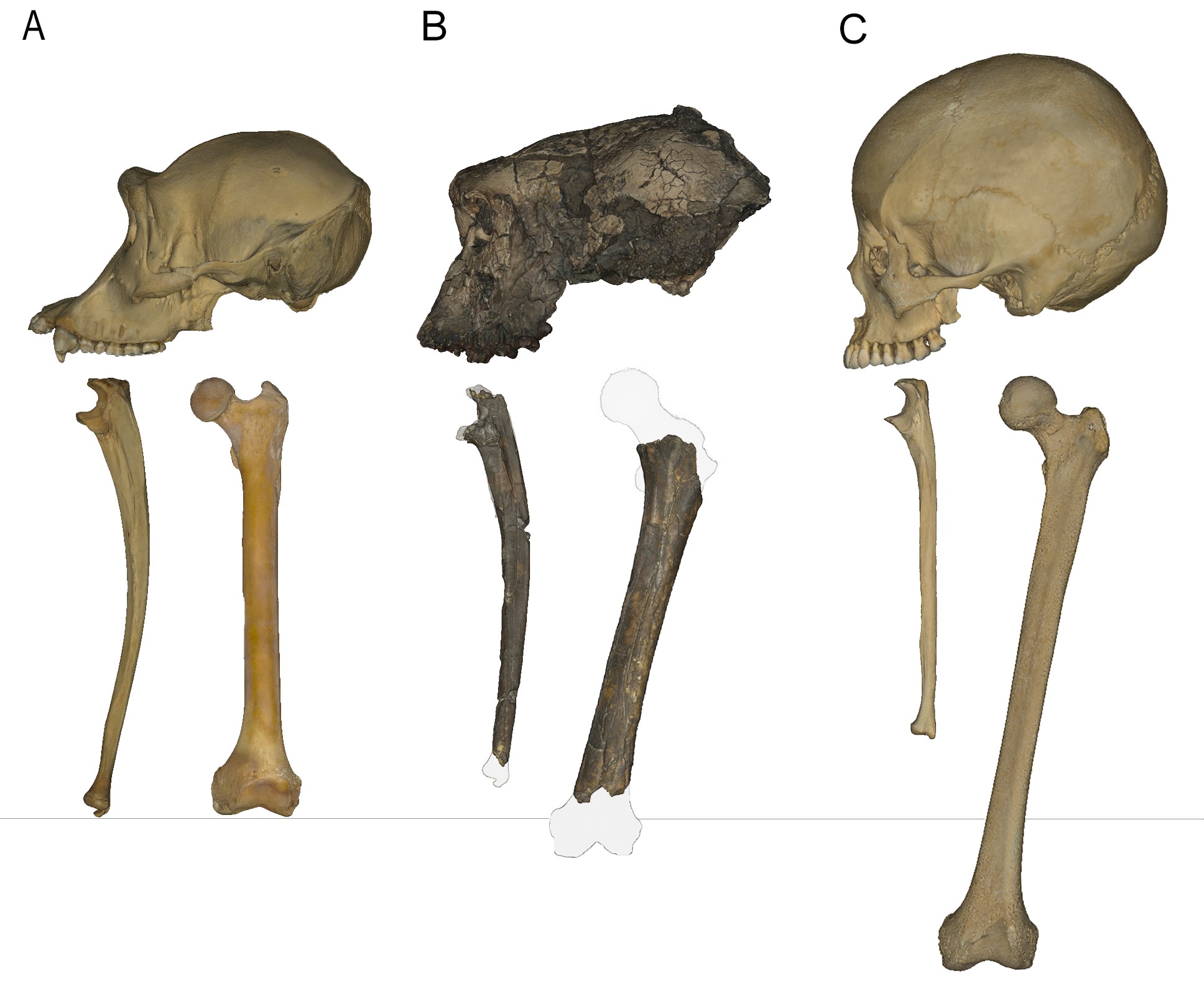
New evidence confirms that the oldest known hominid walked on two legs 7 million years ago

A US research team presents new evidence in Science Advances that Sahelanthropus tchadensis was a biped that evolved from an ape ancestor. Based on the study of two partial ulnas and a femur, they conclude that S. tchadensis—the oldest known hominid, which lived around 7 million years ago—had bones similar in size and shape to those of chimpanzees, but with a relative proportion more similar to that of hominids.

0

The absence of human activity during pandemic lockdowns altered the beaks of a bird species

Restrictions on mobility and activity imposed during the covid-19 pandemic had an impact on the beaks of a species of bird, specifically the dark-eyed junco, which lived in urban areas of Los Angeles (USA). This is shown in a study published in the journal PNAS, which reveals how birds born during these lockdowns had beaks similar to their counterparts in the wild. With the return of human activity, the beak returned to its pre-pandemic shape. The authors argue that this change was mainly due to an adaptation to the food available, as the birds no longer had access to human food waste. 

0