epidemiology

epidemiology

epidemiology

Reaction to study associating lung infections in infancy with increased risk of death from respiratory disease in adulthood

People who had a lower respiratory tract infection—such as bronchitis or pneumonia—before the age of two have twice the risk of premature death from respiratory disease in adulthood, according to a study published in The Lancet. The research is based on long-term data from over 3,500 people born from 1946 onwards in England, Scotland and Wales. According to the study, one in five premature deaths in this representative sample could be due to respiratory infections. The team adjusted their estimate by taking into account factors such as socioeconomic status in childhood and smoking in adulthood.  

0

Reaction to study suggesting that drinking small amounts of alcohol may have benefits for some adults

A study published today in The Lancet claims that there are no benefits to alcohol consumption for young people between the ages of 15 and 39. However, the authors claim that in adults over the age of 40 consuming a small amount may confer some health benefits.

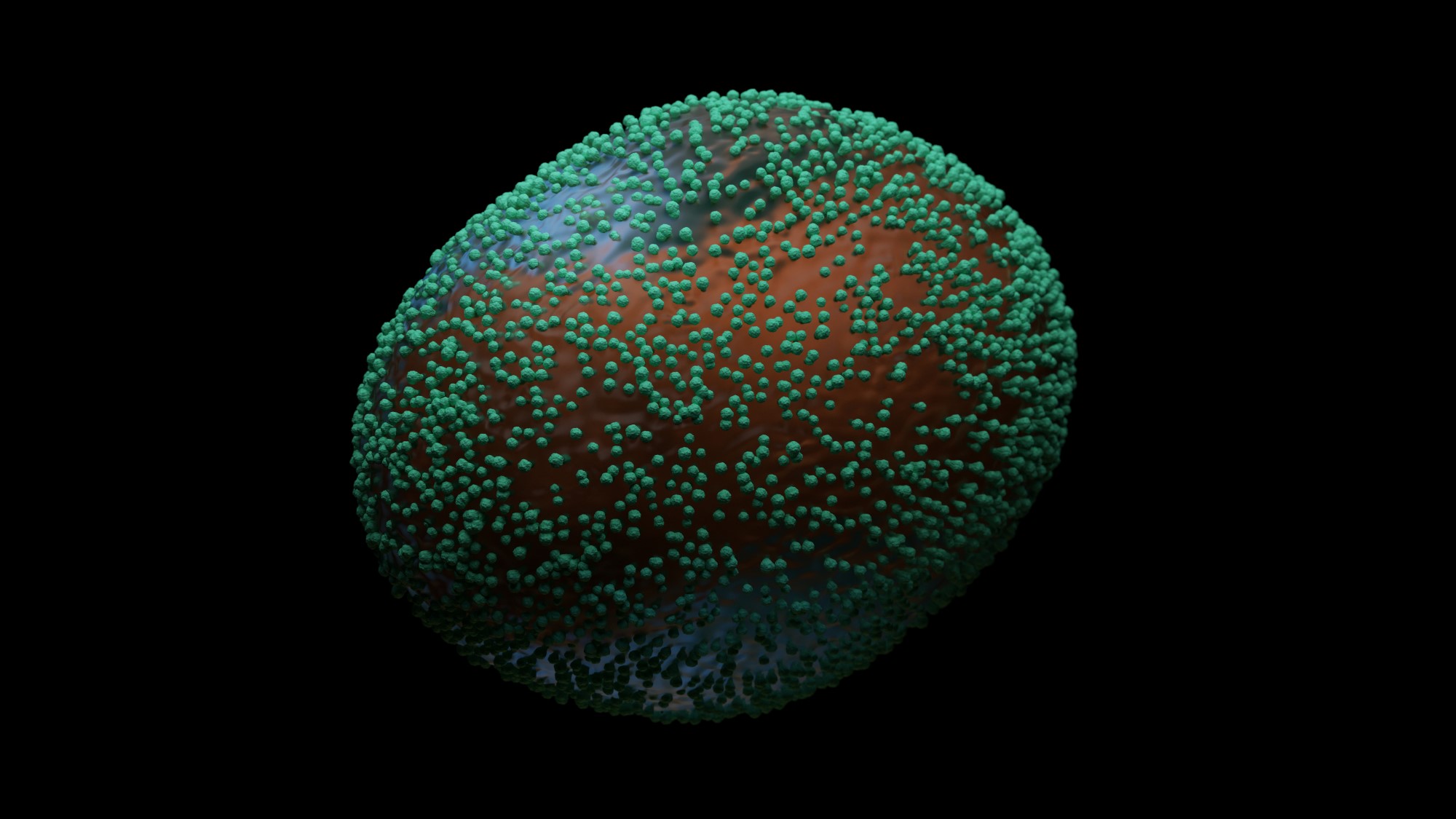
Reactions to suspected cases of monkeypox in Spain

On 18 May, the Ministry of Health confirmed to SMC Spain that eight suspected cases "clinically compatible" with monkeypox had been detected. The same afternoon, the Consejería de Sanidad de la Comunidad de Madrid reported that it had detected 23 possible cases of infection. These cases need to be confirmed after testing. At least 7 cases have been confirmed in the UK and Portugal. This is a rare zoonotic viral disease and there is no vaccine or specific treatment available. Treatment is symptomatic and supportive. Most cases are resolved favourably.

Reactions to the announcement that face masks will no longer be mandatory indoors from 20 April

The Minister of Health, Carolina Darias, today announced that face masks will no longer be compulsory indoors after Easter. The measure will come into force on 20 April. It will continue to be compulsory in public transport, health centres and residences, but the final details of the new scenario are not yet known.