ecology

ecology

ecology

Reactions to a model of energy use reduction for higher-income households
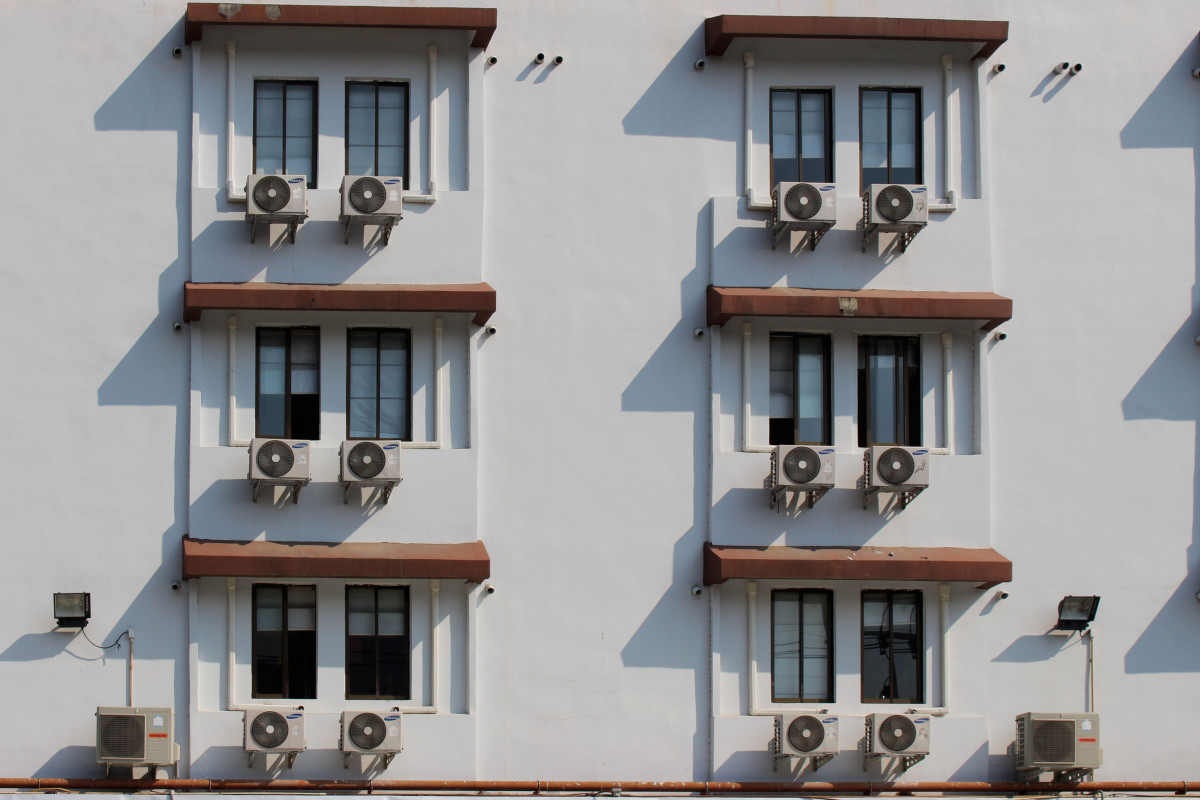
Capping the consumption of European households who consume most energy - those with the highest incomes and education levels - could achieve "considerable emissions reductions", according to a UK research team. This benefit could also be achieved by simultaneously increasing the consumption of the poorest and most vulnerable users. The analysis, published in Nature Energy, estimates that limiting the energy use of the top 20 % of consumers in 27 countries in Europe would reduce emissions from domestic energy consumption by 11.4 %, 16.8 % from transport, and 9.7 % from total energy consumption. The article states that the association between high income and high energy consumption is particularly strong in countries such as Spain, where income inequality is relatively high.
0

Reactions: Endangered rays and sharks in the Mediterranean are being caught more in protected areas

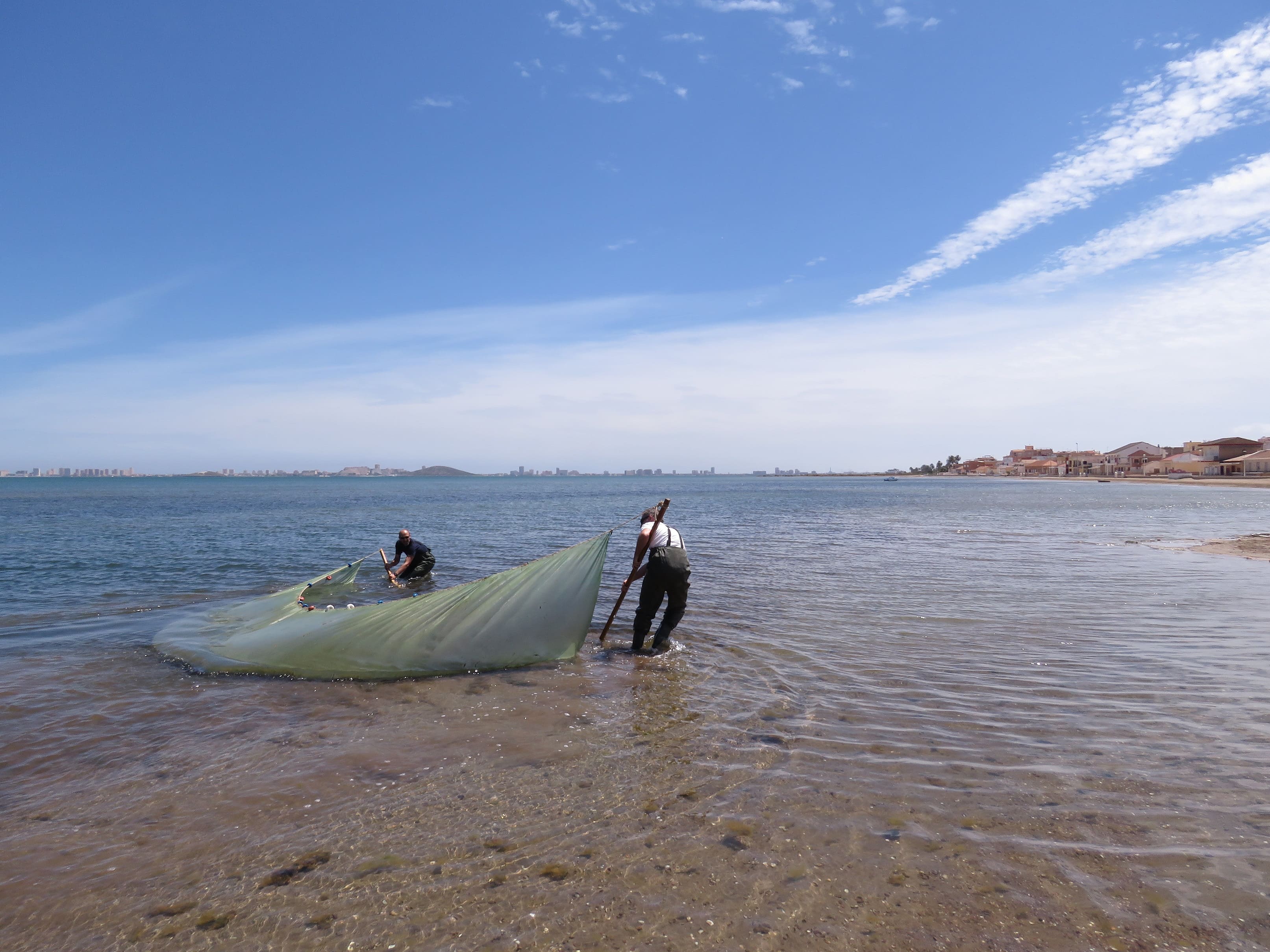
According to a study off the coasts of France, Italy, Spain, Croatia, Slovenia and Greece, catches of threatened elasmobranchs are higher in partially protected areas than in unprotected areas, suggesting that small-scale fishing may be affecting these species.

0

One more chapter in the never-ending story of wildfires

Our landscapes urgently need proactive, adaptive, integrative management to enable rural development that is compatible in the medium and long term with biodiversity and ecosystem services. It is clear that unilateral and reactive management in the face of the challenges of global change is neither effective nor intelligent. And inaction is also a decision.

1

Reaction to study concluding that glyphosate affects the thermoregulation of bumblebee colonies

Glyphosate is one of the most widely used herbicides in the world. New work published in Science reveals that it significantly impairs the ability of bumblebees to maintain the temperature of their hive, a hitherto unsuspected effect that may lead to the decline of this already endangered species, which is essential for pollination.


0