biotechnology

biotechnology

biotechnology

First results on babies born with pioneering technology that reduces risk of mitochondrial disease

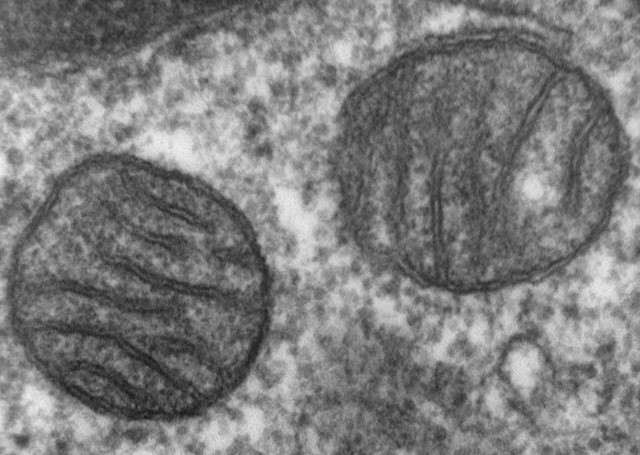
In 2015, the United Kingdom became the first country to pass legislation allowing the use of mitochondrial donation technology, pronuclear transfer. The technique is designed to limit, through in vitro fertilization, the transmission of mitochondrial DNA diseases in babies born to women who are at high risk, and for which there is no cure. Two studies published in the New England Journal of Medicine (NEJM) describe the results of the first treatments performed to date, from which eight babies have been born by mitochondrial donation, with reduced risk of disease.

0

A new technique capable of multiplying and reducing the cost of single-cell analysis

An international team, co-led by researchers from the CNAG in Barcelona, has developed a new technique that allows millions of individual cells to be analysed at the same time without the need for sequencing, using what is known as spatial genomics. The technique, called STAMP, could make this type of analysis cheaper and more widespread. ‘We are opening the door to revolutionary advances in precision medicine, enabling the development of highly targeted diagnostics and therapies capable of transforming clinical outcomes,’ say the authors, who publish their findings in the journal Cell.

0

Spanish project develops an AI to predict protein aggregation

A team led by the Centre for Genomic Regulation (CRG) in Barcelona and the Institute for Bioengineering of Catalonia (IBEC) has developed and used a new artificial intelligence (AI) tool called CANYA, together with a large volume of data, to predict when and why protein aggregation takes place. The resource could be used to advance research into neurodegenerative diseases and drug production, according to the joint press release. The results are published in the journal Science Advances.

0
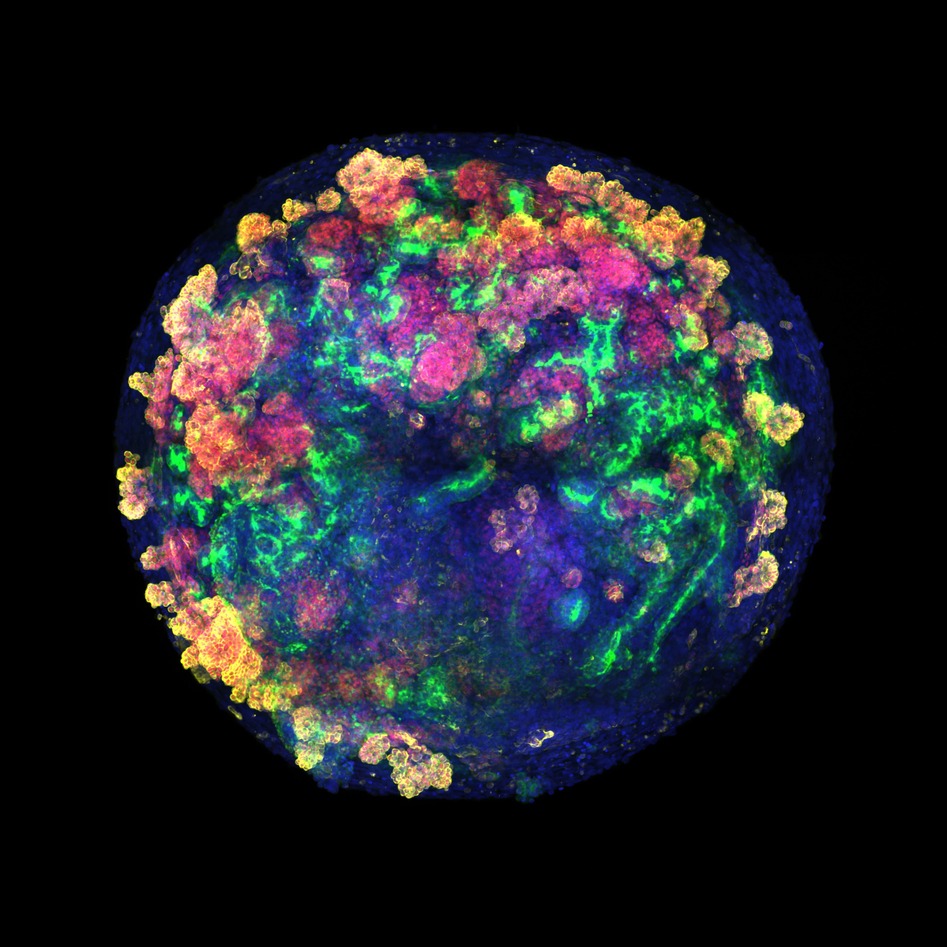
A change in diet generates rejuvenated ‘super stem cells’ in mice

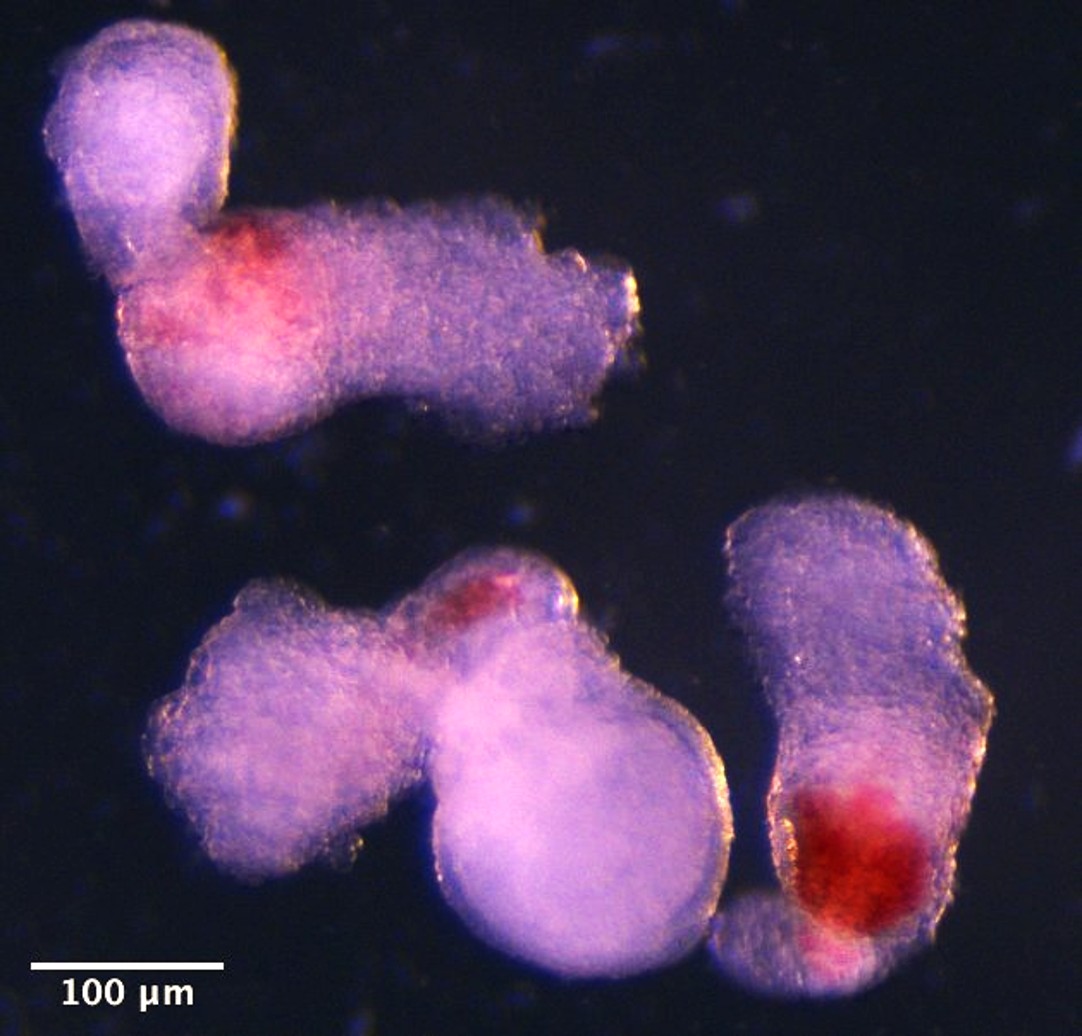
A research team has managed to ‘rejuvenate’ embryonic stem cells from mice to give them greater differentiation potential, according to an article published in the EMBO Journal. Changing the type of sugar these cells use to grow modifies their metabolism and, according to the researchers, could improve their therapeutic potential or their use in in vitro fertilisation treatments.  


0

More than thirty scientists warn in Science about the dangers of synthesizing 'mirror bacteria'

Thirty eight scientists from different specialties, including Craig Venter, a pioneer in the creation of artificial synthetic life, have written an article in the journal Science in which they assess the possibilities of synthesizing mirror organisms, but also warn of the risks they pose. This type of microorganisms, which would present a mirror structure to that currently found in nature, would have potential applications due to their resistance to biological degradation. However, they would also pose a danger because they would not be recognized by our defenses and could spread in ecosystems. Scientists call for more research and a broad debate, and warn that until more is known, this type of organism should not be created. 


0

Two low-pollution alternatives proposed to extract lithium from diluted brines like seawater

Lithium, a material widely used for battery production, is typically extracted from rocks and concentrated brines, but these reserves are expected to run out by 2080. The alternative is to evaporate more diluted brines (such as seawater), but the traditional process is inefficient, polluting, and consumes large amounts of water. Two new studies published in Science propose two more viable and environmentally friendly alternative methods: the first uses a membrane that filters lithium through a transpiration system similar to that of plants, requiring only solar energy. The second combines electrodes to mimic a battery and move lithium from the brine (cathode) to fresh water (anode).

0

New technique succeeds in making living animal tissue transparent

A team of researchers at Stanford University (USA) has developed a technique that makes animal tissues transparent in vivo and reversibly. Based on a food dye, they have tested it topically on mice. According to the authors, who publish their research in the journal Science, “this technology could make veins more visible for blood collection or help in the early detection and treatment of cancer”.

0

A structure for growing cultured meat improves its flavour by releasing compounds when heated

South Korean scientists have developed a type of matrix for growing meat that releases meat flavour compounds upon reaching cooking temperature. According to the researchers, who publish their results in the journal Nature Communications, the cultured and cooked meat has "a flavour pattern similar to that of grilled beef".

0