artificial intelligence

artificial intelligence

artificial intelligence

AI used to improve brain-computer interfaces for people with paralysis

Brain-computer interfaces are devices that decode nerve signals and can help people with paralysis move and communicate. Now, a team at the University of California (USA) has used artificial intelligence tools to improve their functioning. In an initial study, their use improved a person with paraplegia's cursor control fourfold. It also allowed the person to perform tasks with a robotic arm that they couldn't complete without the AI. The results are published in the journal Nature Machine Intelligence. 

0

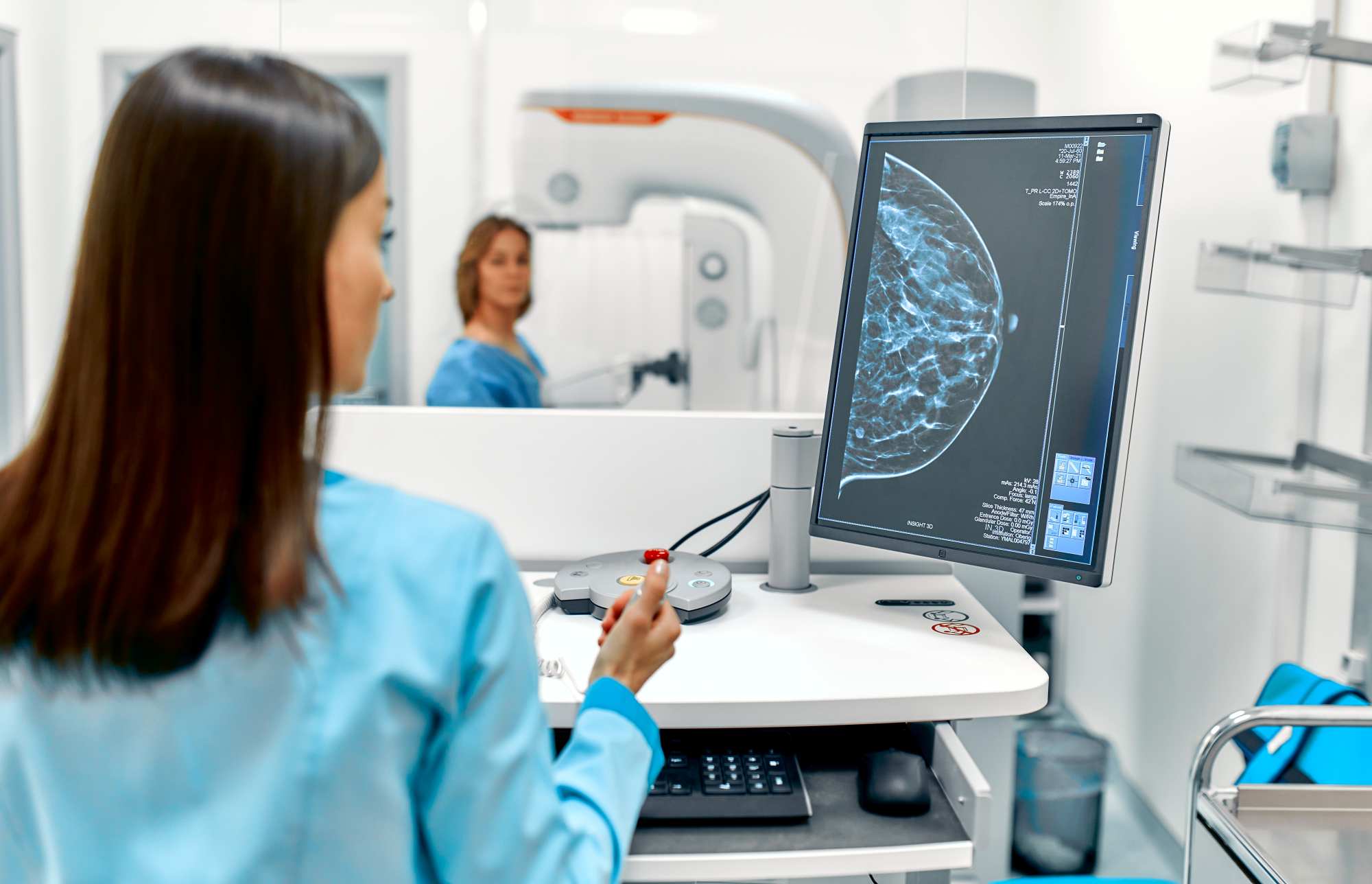
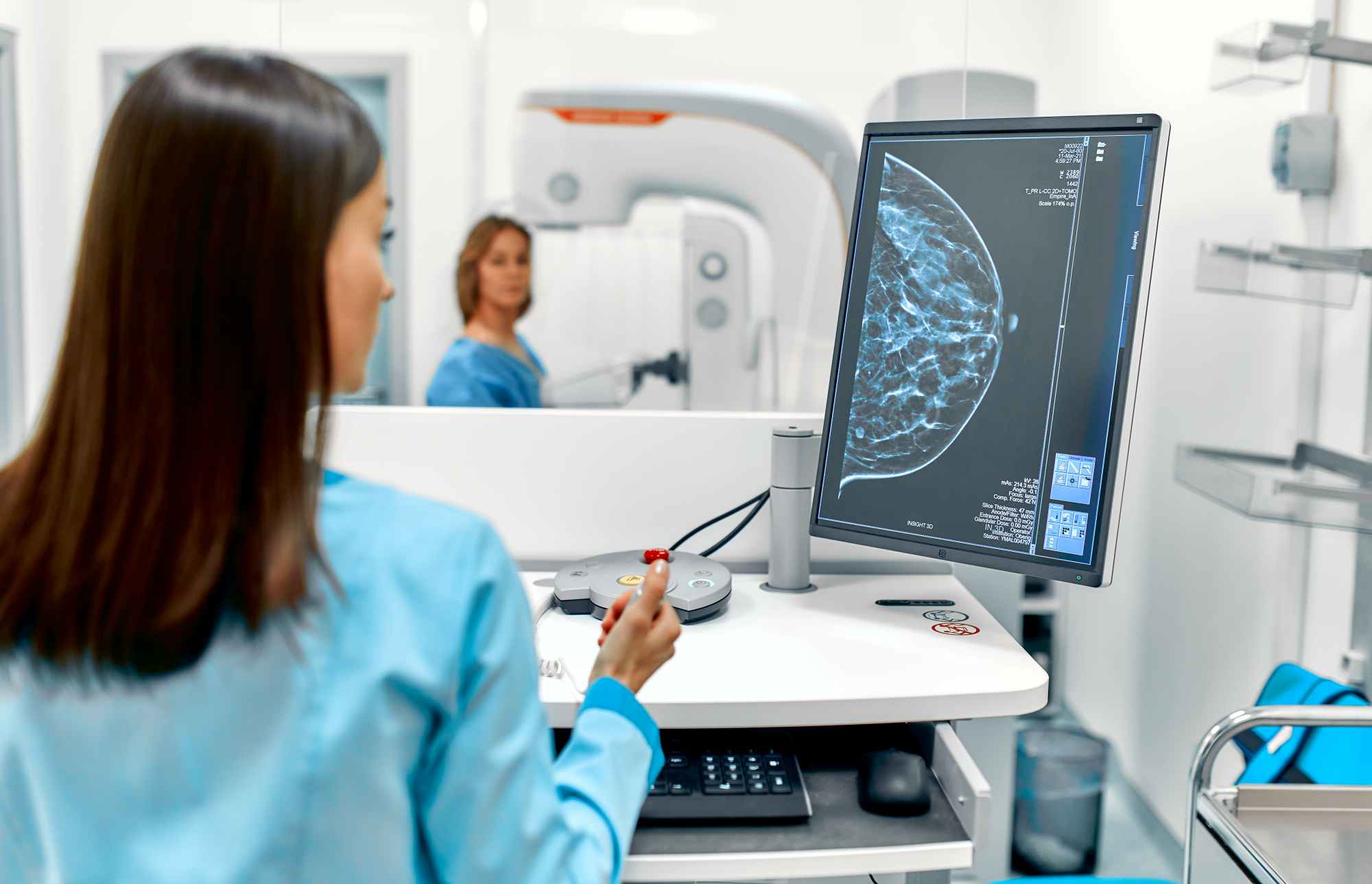
The use of AI may lead to a loss of skills among those who perform colonoscopies

The introduction of artificial intelligence (AI) to assist in performing colonoscopies is associated with a reduction in the ability of healthcare professionals to detect precancerous growths (adenomas) in the colon without the aid of AI, according to an article published in The Lancet Gastroenterology & Hepatology.

0

A study shows the potential of large language models to detect signs of depression and suicide in patients

Large language models—artificial intelligence systems based on deep learning—could be useful in detecting mental health risks such as depression and suicide risk in narrative tests of patients undergoing psychiatric treatment. This is one of the conclusions of research published in JAMA Network Open, which also shows the potential of embeddings — a natural language processing technique that converts human language into mathematical vectors — to achieve the same end.

0

In online debates, GPT-4 can be more persuasive than humans

In online debates, Large Language Models (LLMs, i.e. Artificial Intelligence systems such as ChatGPT) are more persuasive than humans when they can personalise their arguments based on their opponents’ characteristics, says a study published in Nature Human Behaviour which analysed GPT-4. The authors urge researchers and online platforms to ‘seriously consider the threat posed by LLMs fuelling division, spreading malicious propaganda and developing adequate countermeasures'.

0

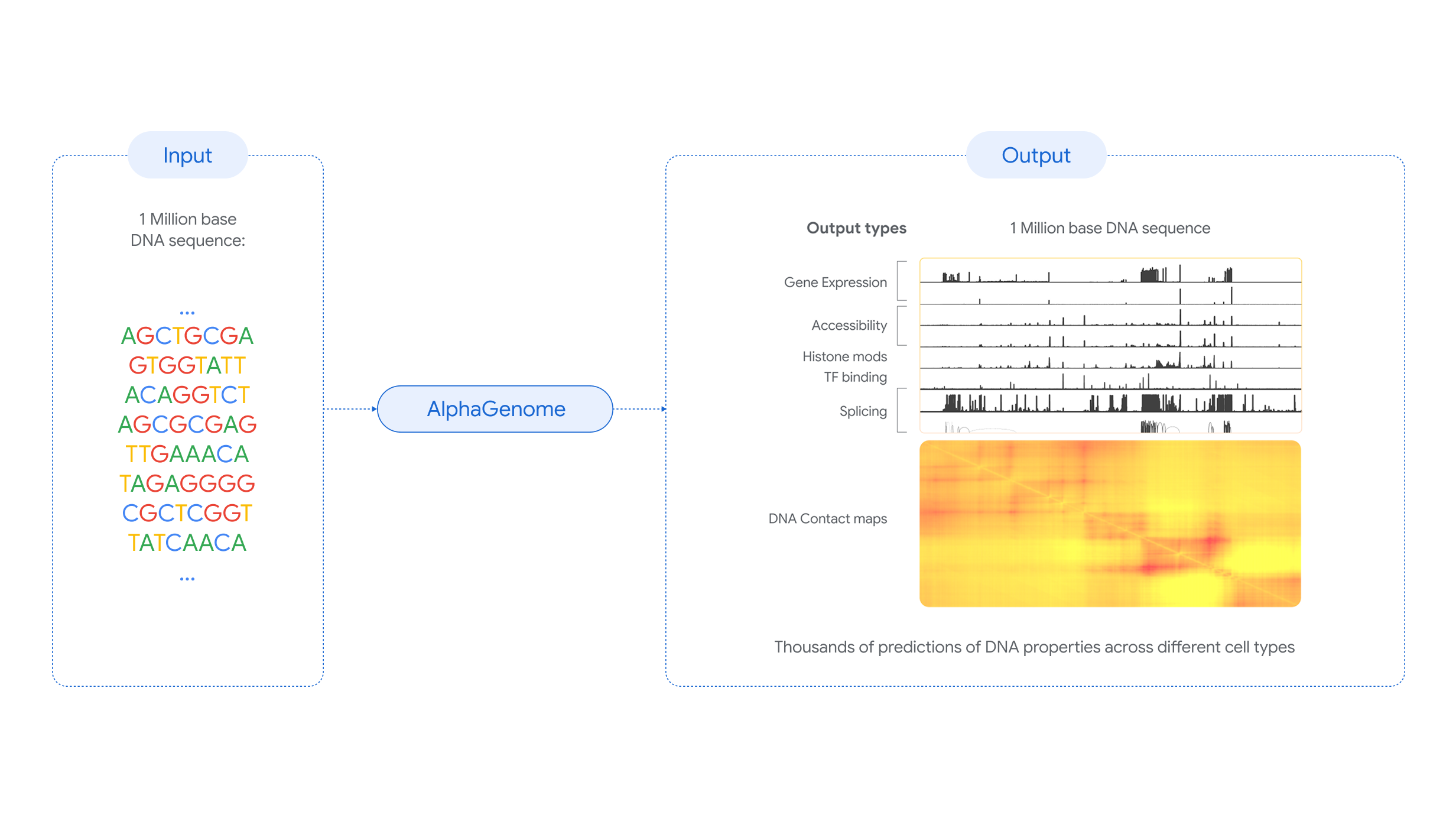
Design DNA fragments that control genes in mammalian cells with AI

A team from the Centre for Genomic Regulation (CRG) and Pompeu Fabra University (UPF) in Barcelona has developed an artificial intelligence tool capable of designing regulatory sequences for genes that do not exist in nature. When introduced into cells, these enhancers can increase or decrease gene activity in a specific way depending on the type of cell targeted. According to the authors, ‘the potential applications are enormous. It's like writing software, but for biology.’ The results are published in the journal Cell.

0

Spanish project develops an AI to predict protein aggregation

A team led by the Centre for Genomic Regulation (CRG) in Barcelona and the Institute for Bioengineering of Catalonia (IBEC) has developed and used a new artificial intelligence (AI) tool called CANYA, together with a large volume of data, to predict when and why protein aggregation takes place. The resource could be used to advance research into neurodegenerative diseases and drug production, according to the joint press release. The results are published in the journal Science Advances.

0

Artificial intelligence system helps blind people to find their way around

A team has developed a wearable designed to aid navigation for people who are blind or visually impaired. The system uses artificial intelligence (AI) algorithms to probe the environment and send signals to the wearer when approaching an obstacle or object. The technology, which is presented in Nature Machine Intelligence, was tested with humanoid robots and blind and partially sighted participants in both virtual and real environments.

0

Meta designs artificial intelligence model capable of instant speech-to-speech translation

An artificial intelligence (AI) model led by the company Meta is capable of translating speech and text, including direct speech-to-speech translations, from up to 101 languages in some cases. According to the research team, this model - called SEAMLESSM4T - can pave the way for fast universal translations ‘with resources to be made publicly available for non-commercial use’. The work is published in the journal Nature.


0

Generative AI expansion could create up to five million tonnes of e-waste

The development of generative artificial intelligence, and in particular of large language models, could generate between 1.2 and 5 million tonnes of accumulated electronic waste between 2020 and 2030, according to a study published in Nature Computational Science. The study estimates the mass of waste generated by hardware elements such as processing units, storage units and power supply systems.

0