When can I receive the third dose if I have recently been infected?
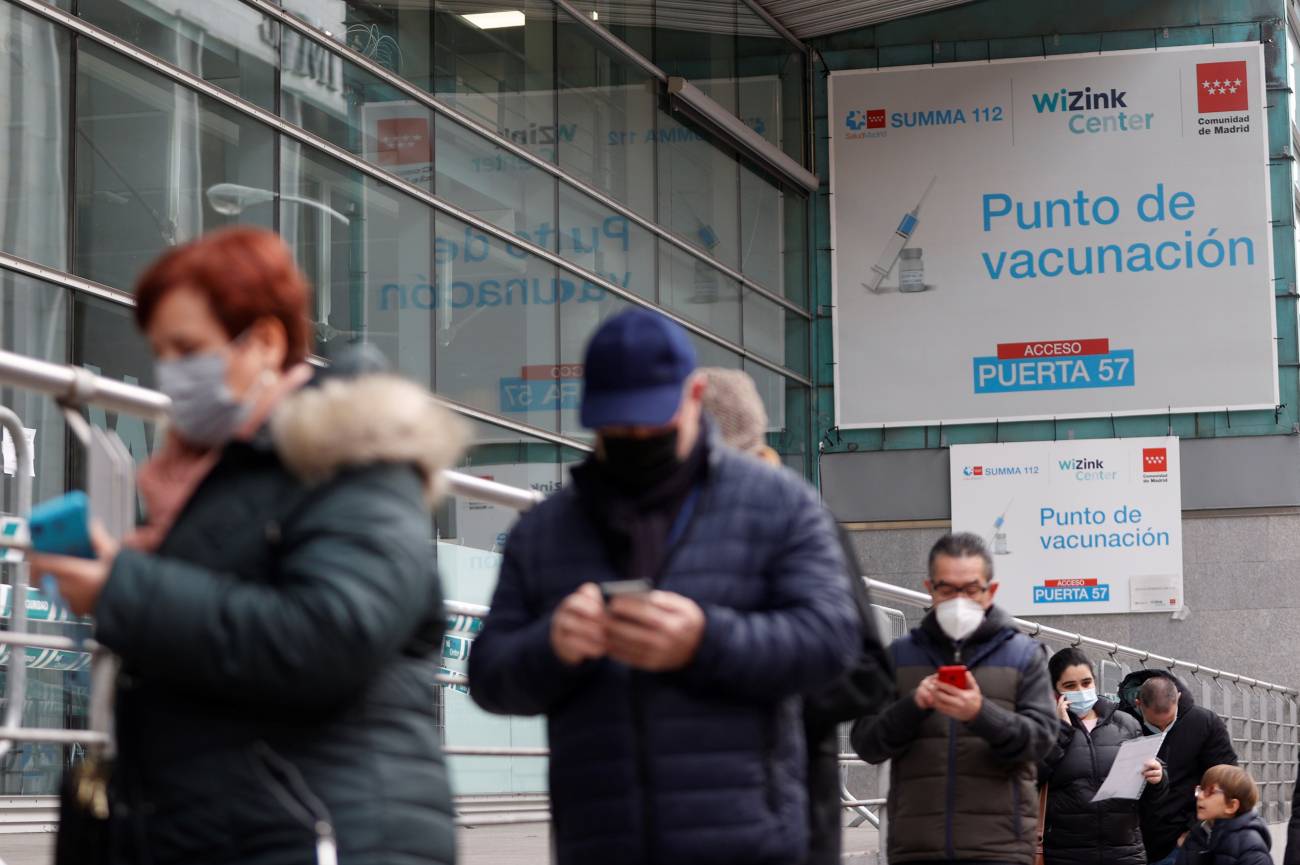
Spain recommends that people who have been infected with the coronavirus receive the third dose four weeks later. Experts assess the decision from an immunological point of view.
For science to make the news in a rigorous and attractive way, good sources are needed. Because access to scientific knowledge is a citizen's right.
We’re on the lookout for controversial information about science and we will contact you for your analysis in your area. Do you want to be part of our sources? Contact us. We will not pass your contact details on to anyone else. You can find out more about how we work here.
Spain recommends that people who have been infected with the coronavirus receive the third dose four weeks later. Experts assess the decision from an immunological point of view.
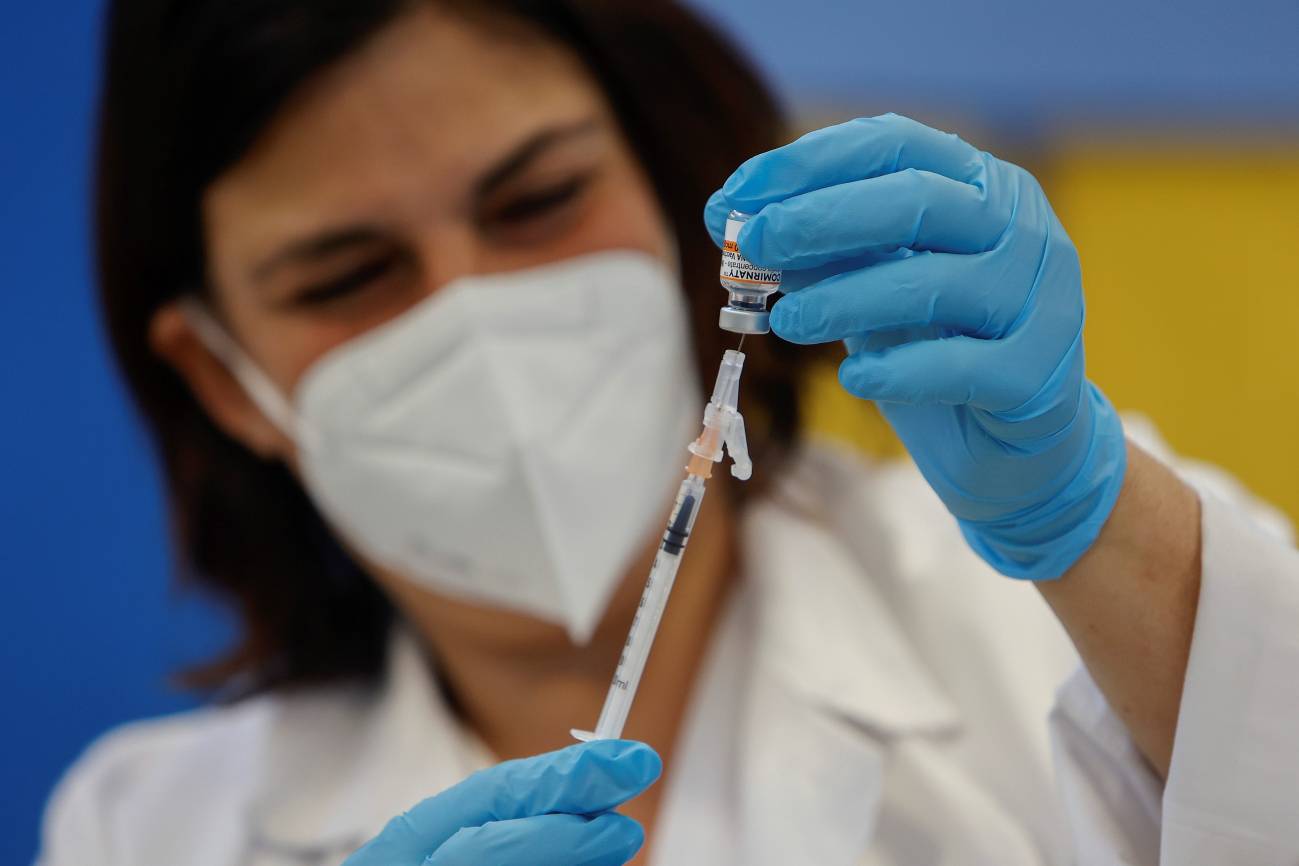
The director of the Vaccine Strategy of the European Medicines Agency (EMA), Marco Cavaleri, told a press conference on 11 January that "it is not sustainable in the long term to continue giving booster doses every three or four months [to the general population]". Spanish immunologists agree that this is not the right thing to do. In these reactions they explain why.

The terms "endemism" and "seasonality" are increasingly used to refer to the covid-19 pandemic. They are sometimes incorrectly associated with the severity of the disease or with the premature end of the pandemic. What do they mean? Does SARS-CoV-2 fit these definitions? Will it ever do so thanks to vaccines?

In the covid-19 pandemic, there is no evidence to justify closing classrooms to interrupt transmission and protect the health of children. On the other hand, there is evidence of the harm caused to them by dropping out of school.
The pandemic has shown us that neither science nor engineering alone is capable of solving a problem in real time when the crisis is global, when local interventions are costly and of limited effect, when we have to act without having all the information.
The first solid work on the ability of vaccines to stop infection with the omicron variant, which has just been published, reinforces the need for a third dose. Experts recall, however, that the aim of vaccines was never to stop infection, but to prevent severe disease. We summarize what is known so far about it.
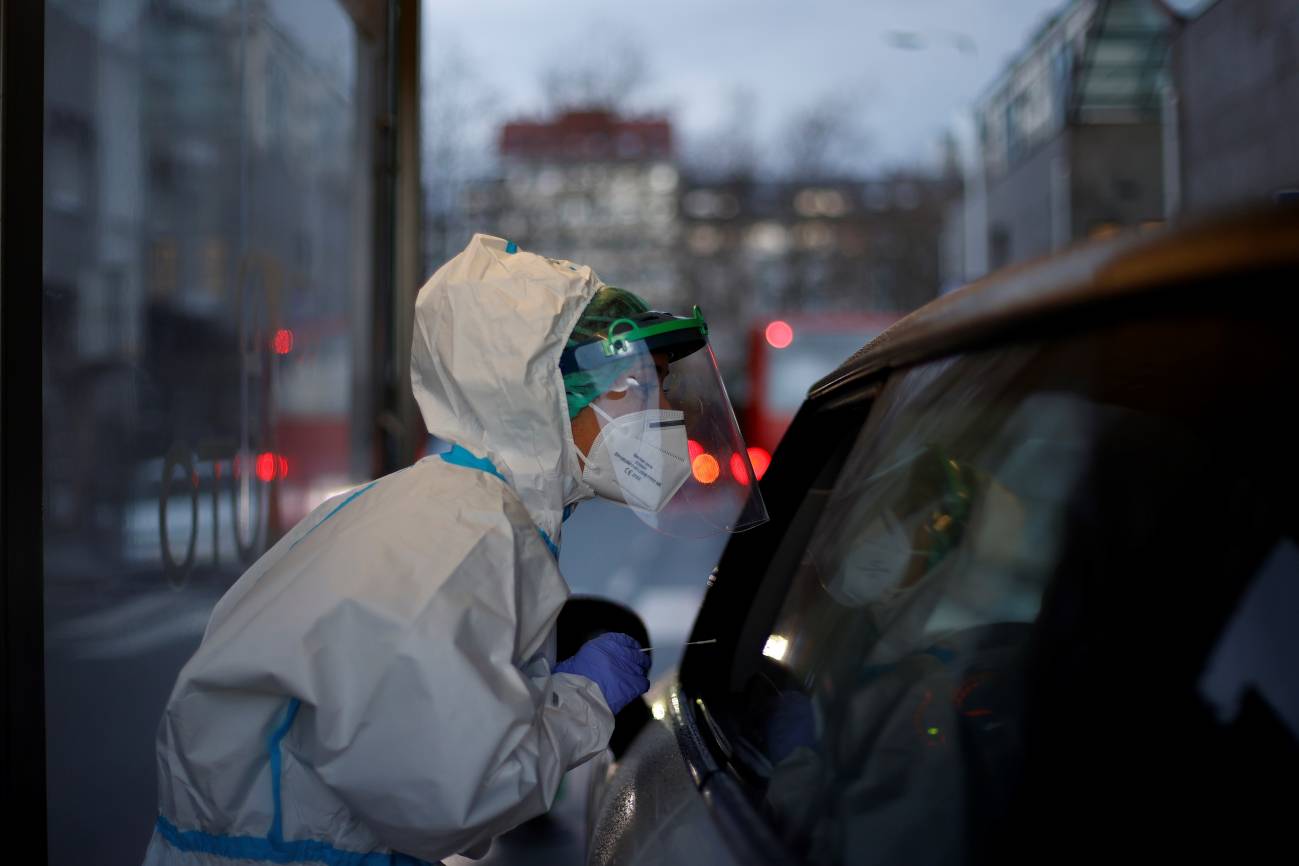
In recent days, several countries have modified the quarantine times for close contacts and the isolation of infected people, while others are already considering it. Spain has announced that it will reduce these periods to 7 days, both for people who have tested positive in a test and for close contacts who require quarantine (in the case of our country, unvaccinated people).
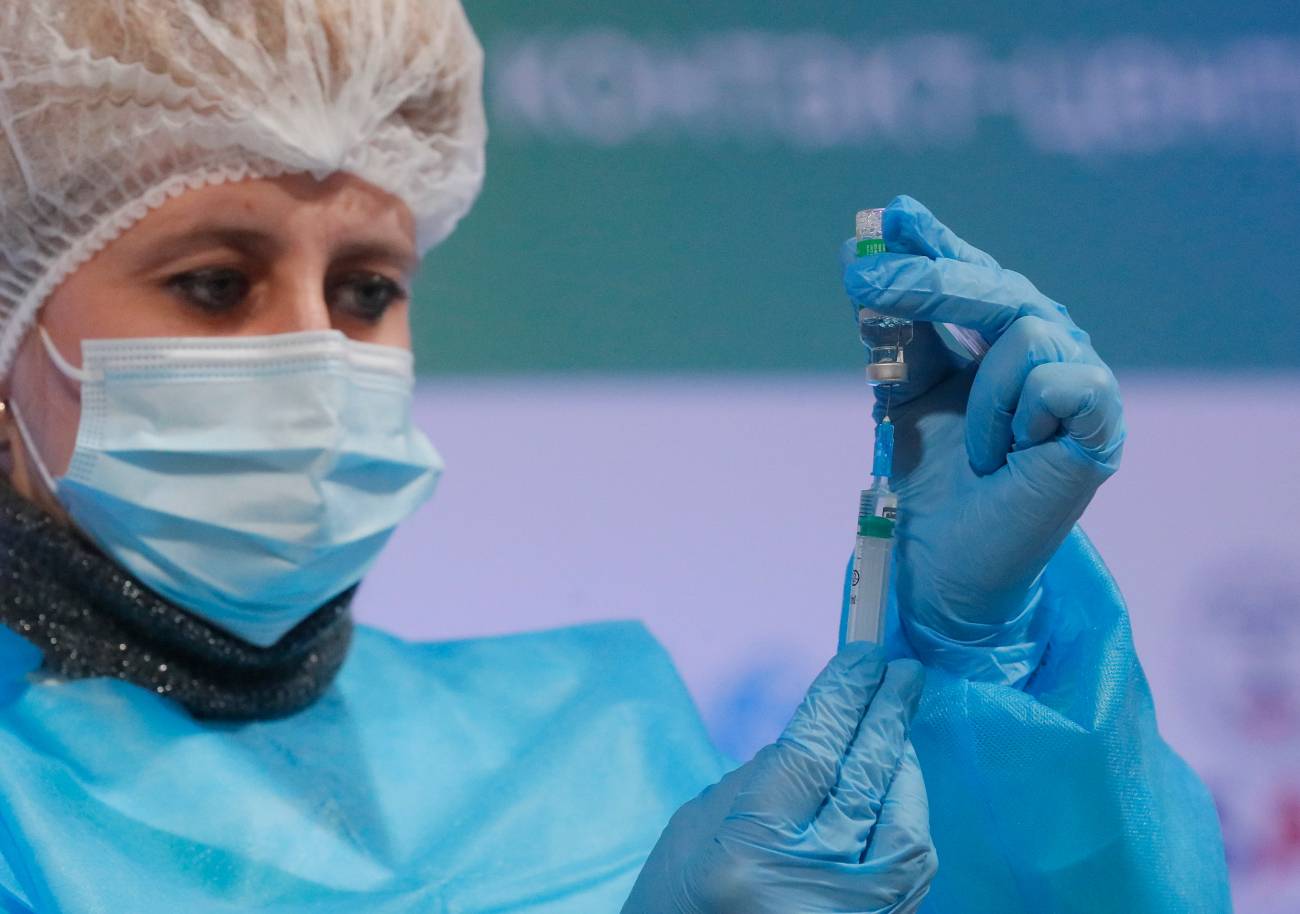
La EMA ha recomendado hoy la autorización de la quinta vacuna frente a la covid-19 para mayores de 18 años: la estadounidense Novavax, la primera basada en una plataforma de proteínas recombinantes.

A survey conducted by the COSMO-Spain team to find out the reasons why some people have not yet been vaccinated showed that most of them fear that vaccines are unsafe and their side effects. These results highlight the importance of rigorous communication of drugs that are considered safe and effective by all studies and agencies.
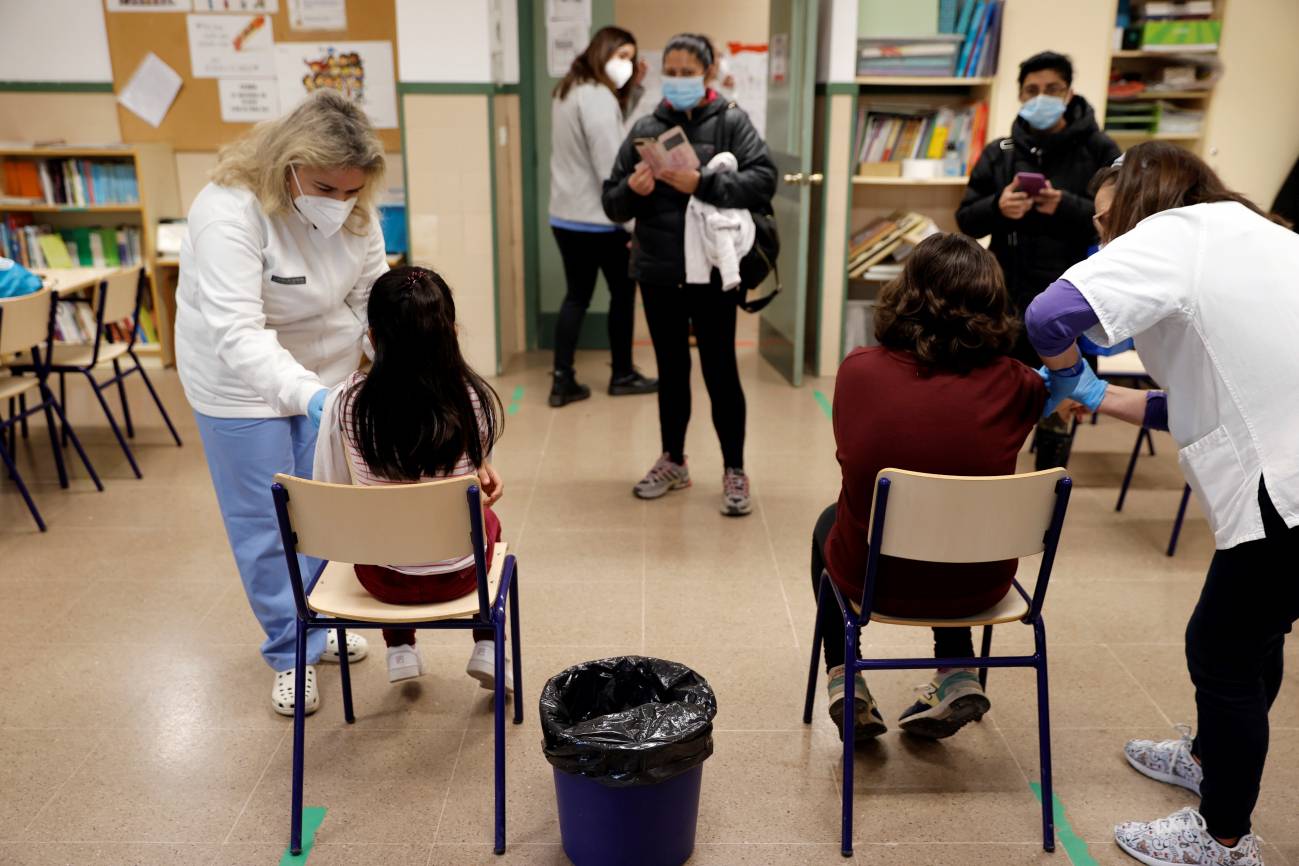
The recommendation is to vaccinate children from 5 to 11 years old with the vaccine approved in Europe for this age group, Comirnaty (Pfizer) with one third of the dose used in children over 12 years old. But parents still have doubts. Here we answer the classic ones (safety, risk/benefit) and other more specific ones: allergies, genetic syndromes, high-risk individuals...