Scientists

Scientists

For science to make the news in a rigorous and attractive way, good sources are needed. Because access to scientific knowledge is a citizen's right.

¿Qué me ofrece?

Help science make headlines with rigour and context. We’ll ask you for feedback on current events in your field and you can participate in the briefings we’ll organise. Need to prepare for an interview? Use our resources on science communication.

Icono
Cómo trabajamos

We’re on the lookout for controversial information about science and we will contact you for your analysis in your area. Do you want to be part of our sources? Contact us. We will not pass your contact details on to anyone else. You can find out more about how we work here.   

Título qué me ofrece
What we offer you
Título cómo trabajamos
How we work

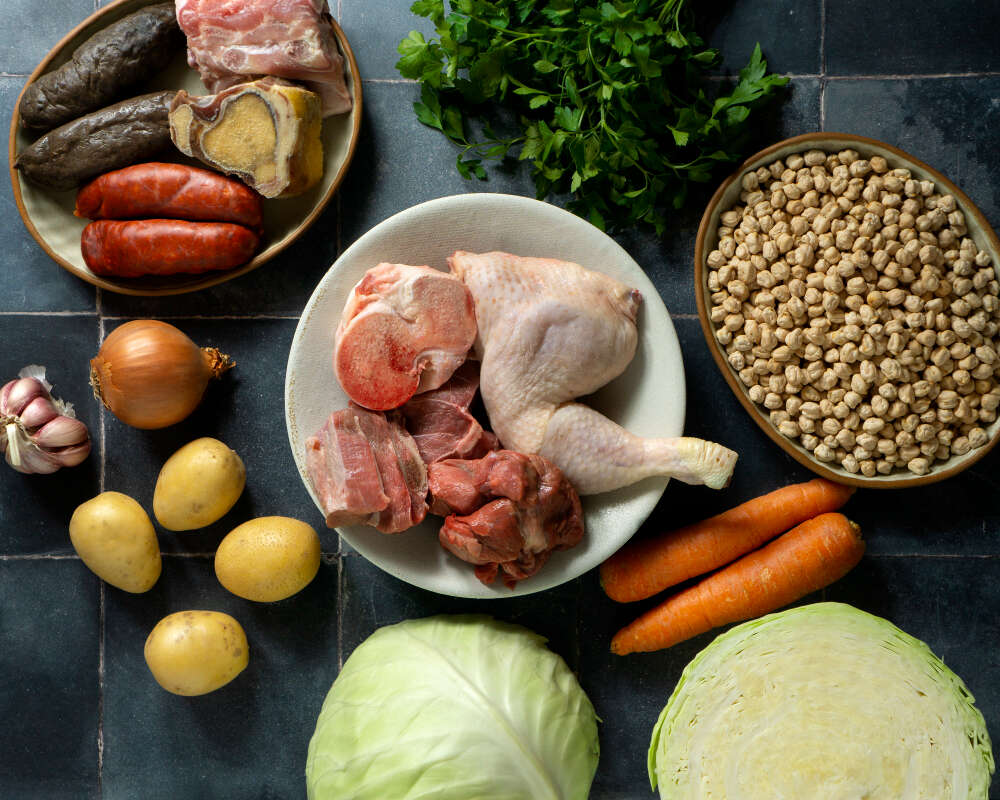
Reaction to the first meta-analysis studying the effect of a Mediterranean diet on women's cardiovascular health and mortality

A review of studies of more than 700,000 women has estimated that those who follow a Mediterranean diet faithfully have about a 25% lower risk of cardiovascular disease and death. This effect is greater than had been found in other studies, many of which included a majority of men and did not differentiate results by sex. According to the authors, the study underscores the need for this type of targeted analysis. The results are published in the journal Heart.

0

Reaction: Genetic study shows high levels of caffeine in blood could reduce body fat and risk of type 2 diabetes

Previous research has shown that coffee drinking is associated with a lower risk of cardiovascular disease, but most are short-term, observational studies - they describe associations without being able to determine cause and effect. Research published in BMJ Medicine uses another method (Mendelian randomisation) to study potential causal relationships between caffeine levels in plasma and cardiovascular health, using genetic variants in nearly 10,000 people who participated in long-term studies. Higher genetically-predicted caffeine concentrations in plasma were associated with lower body-mass index and fat mass and a lower risk of type 2 diabetes. In addition, the research shows that 43% of the protective effect of caffeine on the risk of type 2 diabetes was influenced by a reduction in body mass index.

0

Reaction: archaeological study reconstructs the persistence of gender discrimination in Europe since the Middle Ages

A study has analysed around 10,000 teeth from 139 archaeological sites in Europe dating from around 1200 AD in the Middle Ages. The differences between the teeth of men and women make it possible to establish who had better living conditions and received more attention in each place. Comparing the data with the contemporary situation, they conclude that greater gender discrimination in the past correlates with greater inequality today. According to the authors, this persistence is most likely due to intergenerational transmission, as it is interrupted when there is a large population replacement. The results are published in the journal PNAS.

0

Reactions: study explores how reduced microbiota transfer between mothers and babies born by c-section is compensated

About 58.5% of a baby's microbiota come from various parts of its mother's body, according to a study of the transmission of microbes between mother and child in the first month of life. The research, published in Cell Host & Microbe, is based on samples collected from 120 mother-baby pairs, with material from their nose/throat, saliva, skin, milk, vagina and faeces. It compares babies born by caesarean section and vaginally, and confirms that the reduced transfer of faecal microbes in caesarean births can be partially compensated by other transmission routes, such as breastfeeding.

0

Why we should be concerned that mathematics research is less attractive to women

This year's theme for 8M is "For an inclusive digital world: innovation and technology for gender equality". If we want to innovate for everyone, there must be women doing research in mathematics, an essential discipline in the fields of technology, finance and health. However, the future of mathematical research in Spain has a male profile and this is worrying: advances and major decisions will be made excluding half of the population.

1

Reaction to study associating lung infections in infancy with increased risk of death from respiratory disease in adulthood

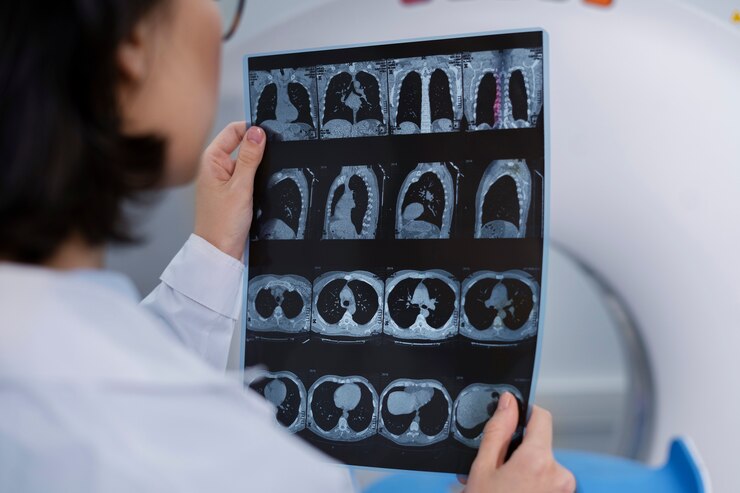
People who had a lower respiratory tract infection—such as bronchitis or pneumonia—before the age of two have twice the risk of premature death from respiratory disease in adulthood, according to a study published in The Lancet. The research is based on long-term data from over 3,500 people born from 1946 onwards in England, Scotland and Wales. According to the study, one in five premature deaths in this representative sample could be due to respiratory infections. The team adjusted their estimate by taking into account factors such as socioeconomic status in childhood and smoking in adulthood.  

0

Reactions: cancer deaths will decrease this year in Europe, but lung cancer deaths in women will rise in Spain

Un estudio ha estimado las muertes por cáncer que se producirán en la Unión Europea y el Reino Unido en 2023. Comparándolas con las observadas en 2018, estiman que se reducirán en un 6,5 % en hombres y un 3,7 % en mujeres de forma global. Sin embargo, en España aumentará la mortalidad por cáncer de pulmón en mujeres. Los resultados se publican en la revista Annals of Oncology. 

0