Reactions

Reactions

Reactions

When science hits the headlines, we seek the views of expert sources who assess the news rigorously and quickly, according to the available evidence.

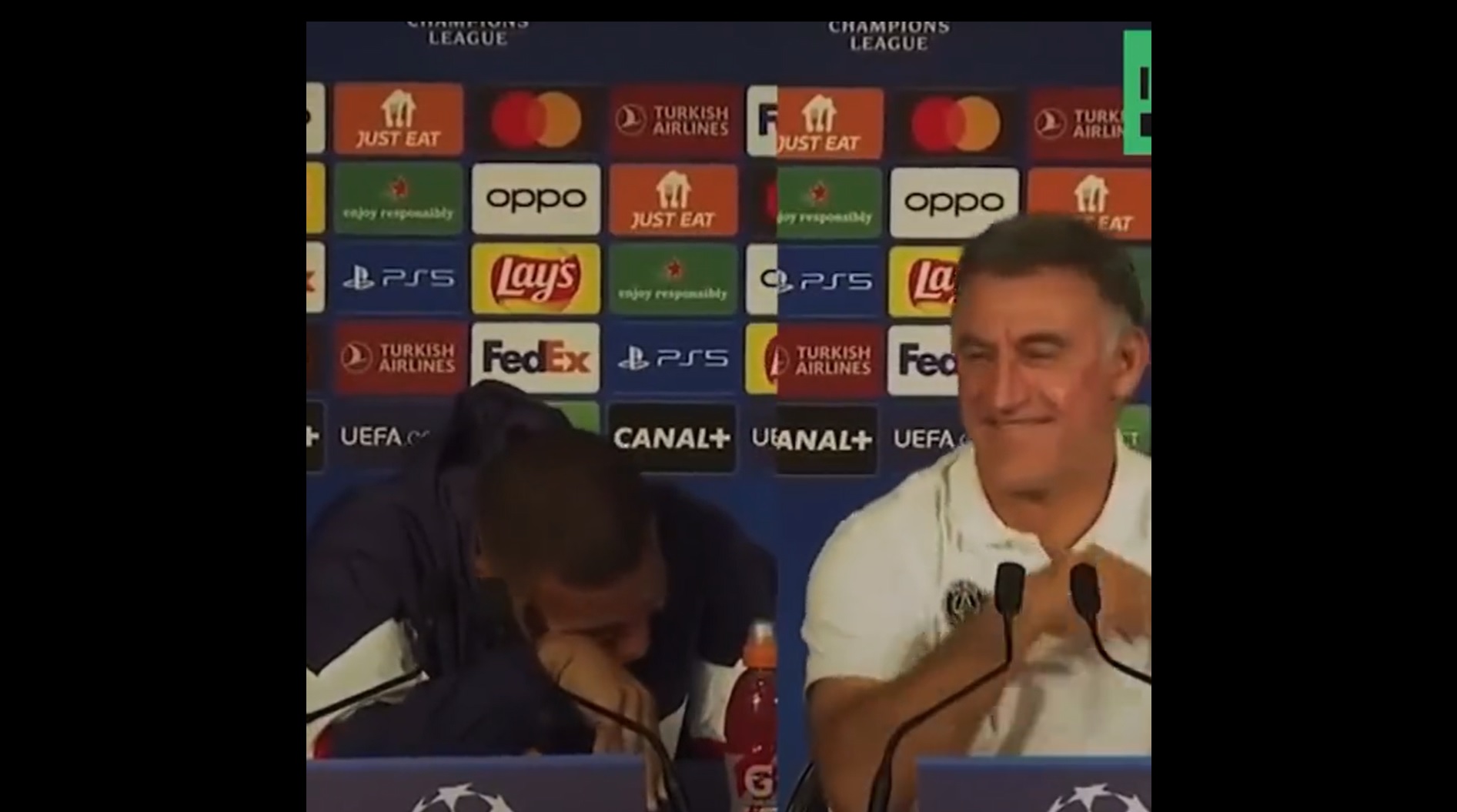
Reaction to Mbappé and Galtier's (PSG) press conference and their response to the question about air travel and climate change

At Paris Saint-Germain's (PSG) press conference ahead of their Champions League opener, Kylian Mbappé and Christophe Galtier (PSG player and coach) were asked about the team's recent trip by plane to Nantes and why they didn't travel by train, when the distance is 341 kilometres and the train takes less than two hours. Both laughed at the question and Galtier replied, ironically, that next time they were considering doing it in a "sailing carriage".

Reaction to study linking changes in happiness in Spain and nine other European countries to the generosity of their welfare programmes

A study published in PNAS analyses changes in happiness in ten European countries, including Spain, from the 1980s to 2018, and relates them to the generosity of their welfare programmes.

Reaction to method that could predict Alzheimer's risk before symptoms appear

Scientists have analysed data on 7.1 million common DNA variants (alterations in the standard sequence) in people with and without Alzheimer's disease. The results, published in PLOS Genetics, have helped them to develop a method that can predict the risk of suffering from this neurodegenerative disease, depending on the DNA variants that a person has and before presenting symptoms.

0

Reactions to study claiming three doses of covid-19 vaccines protect better than two

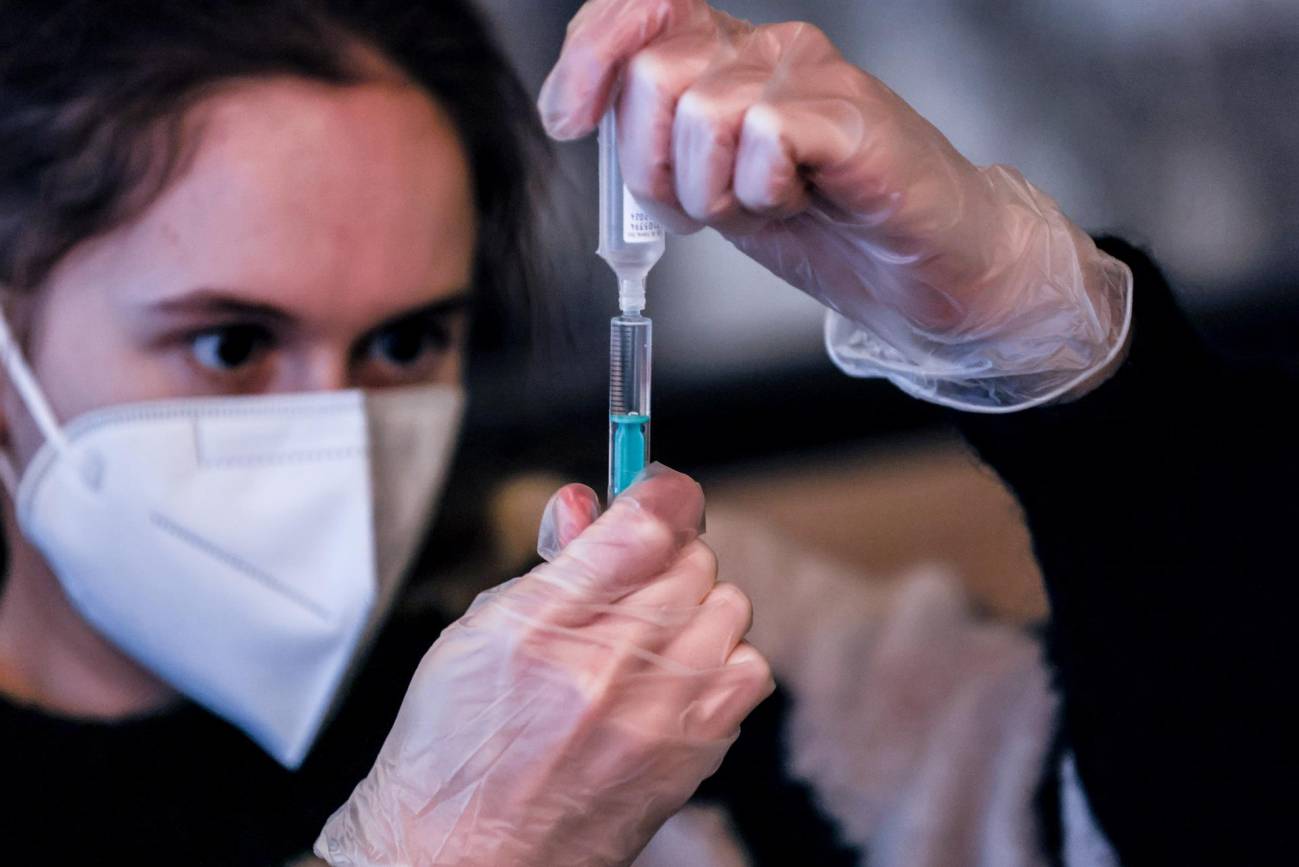
To estimate the effectiveness of two or three doses of vaccines against covid-19 infection and hospitalisation, researchers in Denmark conducted a study of all previously uninfected Danish residents aged 12 years and older. The conclusion of the research, which is published in PLOS Medicine, is that a third dose provided greater protection against infection and hospitalisation with omicron than two vaccines.

Reactions to study indicating that hormone therapy improves cognitive function in people with Down's syndrome

Researchers have tested a gonadotropin-releasing hormone (GnRH) therapy in mouse models and in males (in a pilot clinical trial) with Down's syndrome. The results, published in the journal Science, suggest improved cognitive function.

0

Reaction to study concluding that drinking black tea may be associated with lower mortality risk

Using data from the UK Biobank, where black tea consumption is common, researchers have examined whether its intake is associated with a lower risk of mortality. Participants who reported drinking two or more cups a day had a 9-13% lower mortality risk compared to non-tea drinkers. The results are published in the Annals of Internal Medicine.

Reactions to the adoption of the new Science Law

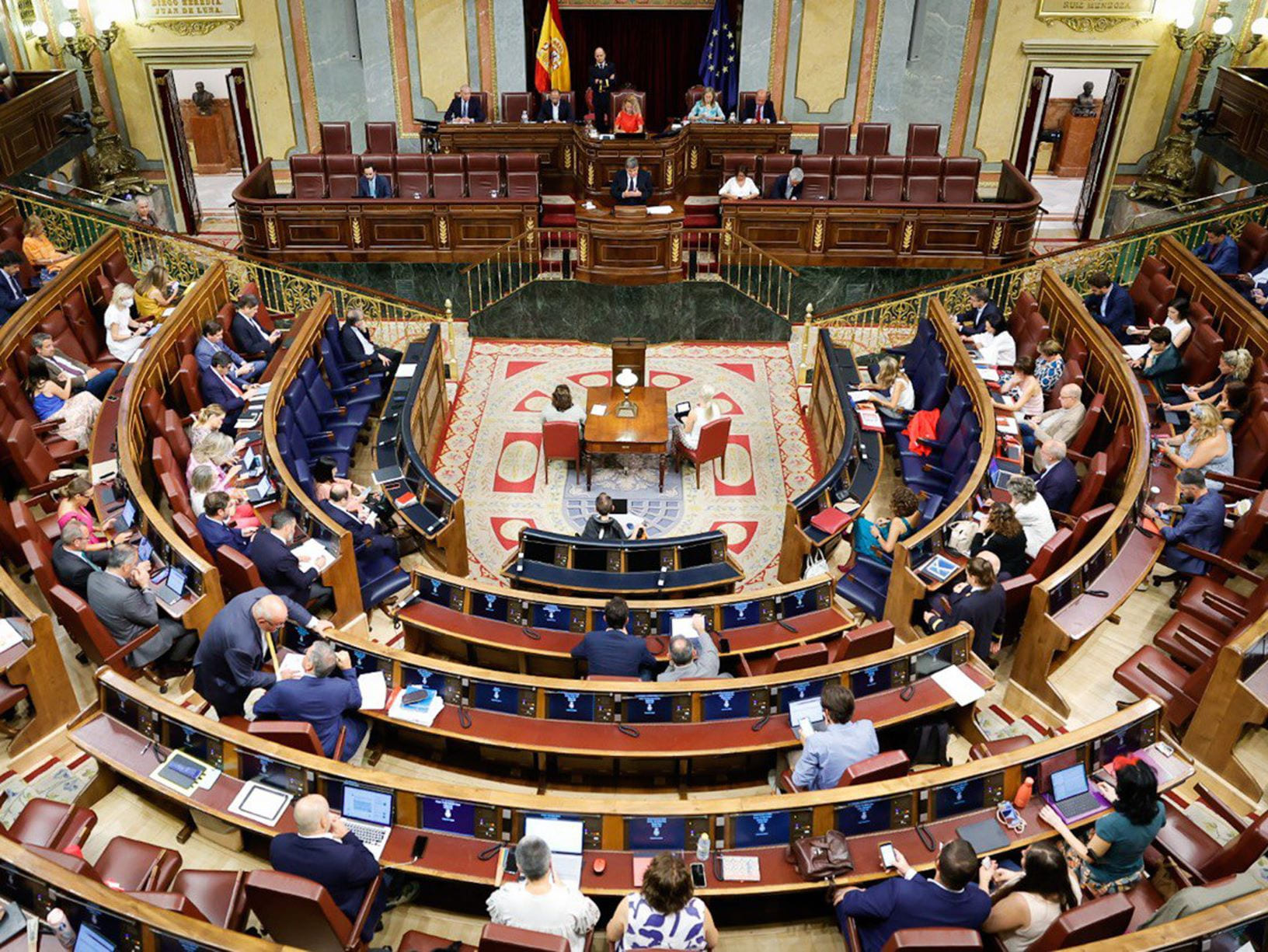
The extraordinary plenary session of the Congress of Deputies today approved the reform of the Law on Science, Technology and Innovation. After being passed in the Lower House without any votes against it on 23 June, the bill was approved in the Senate on 20 July with an amendment referring to indefinite-term contracts, which was rejected today in Congress.