A study suggests that a genetic variant that influences current relative brain volume was inherited from Neanderthals
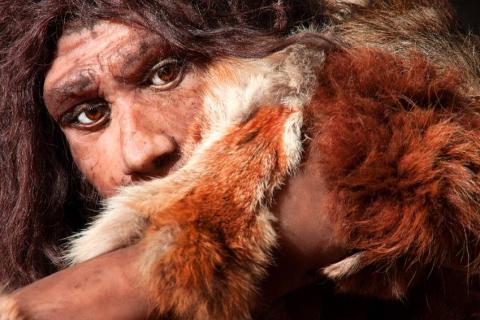
Neanderthals had larger and more elongated skulls than modern humans, suggesting differences in relative brain volume as well. A study published in the journal PNAS — via a special publication channel reserved for members of the National Academy of Sciences, which allows them to select the reviewers — identifies a genetic sequence inherited from Neanderthals that reduces occipital brain volume in modern humans. Analysis of modern human genomes in the 1,000 Genomes Project indicated that this DNA segment is found only outside Africa. Based on association studies, the authors observed a reduction of almost 10 per cent in the risk of schizophrenia in people with two copies of the variant, but found no significant associations between the variant and general cognitive ability.
Ignacio Martín Lerma - neandertales cerebro
Ignacio Martín Lerma
Professor of Prehistory at the University of Murcia.
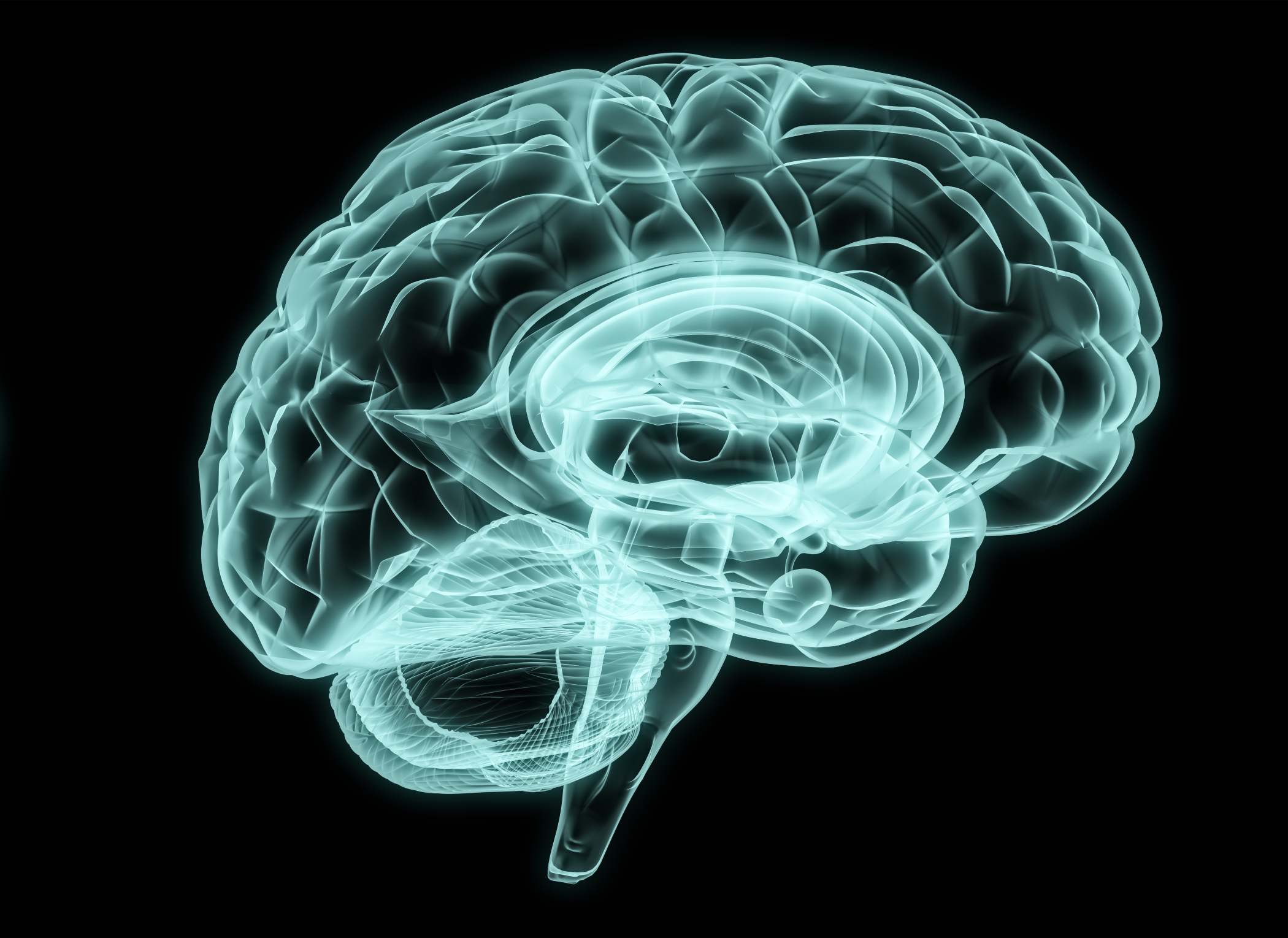
What I find most interesting about the study is the link between Neanderthal heritage and the anatomy of our brain. The authors have identified a DNA fragment inherited from Neanderthals that is associated with a slightly smaller volume of the occipital lobes, at the back of the brain. The link is well supported by the data, although it remains to be seen which specific DNA change accounts for this difference.
Ana Belén Marín - neandertales cerebro
Ana Belén Marín Arroyo
The article by Zeberg and Pääbo demonstrates that Neanderthal heritage continues to have detectable effects on our species. Their research has made it possible to link a genetic variant inherited from Neanderthals to small differences in the brain structure of some people today.
However, whilst the study shows a clear link between this variant and the relative size of the occipital lobe – situated at the back of the skull and directly related, amongst other things, to our visual and spatial memory – it does not prove that those who carry it exhibit any appreciable differences in intelligence or behaviour. Nor does it allow us to directly reconstruct how Neanderthals thought or perceived the world. Its main value lies in helping us to better understand how the interbreeding between Neanderthals and modern humans continues to leave its mark on our biology thousands of years later.
Javier Baena - neandertales cerebro
Javier Baena Preysler
Professor of Prehistory at the Autonomous University of Madrid.
Is the study of good quality? Are the conclusions backed up by solid data?
‘Yes, it is a high-quality and rigorous study. We’re talking about one of the leading specialists in palaeogenetics, and one would expect nothing less from him and his team.’
How does this work fit in with the existing evidence?
"The medical aspects are a bit beyond me. In any case, and after a quick read, that 10 per cent potential incidence seems statistically insignificant to me. As for the palaeogenetic study, the problem is that we have a small sample of remains, and what’s more, they are not always well-preserved. In any event, it seems very sound.”
Have the authors taken confounding factors into account? Are there any significant limitations to bear in mind?
“The main drawback I see is the scope of the study. This type of research is somewhat reductionist in the sense that human behaviour cannot be reduced to a palaeoanthropological scale. Factors related to behaviour—and to a large extent genetic flow—are undoubtedly the result of our history (and this includes Neanderthals). On the other hand, archaeology can change our interpretation from one day to the next in the light of new findings. That’s the nature of our profession.”
What are the real-world implications?
“There are some ethical issues surrounding this topic that I haven’t fully grasped. From a medical perspective, I believe that the genetic analysis of our patients is sufficient to help us improve our health, regardless of who we owe certain traits to. Ultimately, we are the product of our biological and cultural evolution, and I do not believe that having inherited specific traits should be a reason to disown that history.”
Hugo Zeberg y Svante Pääbo.
- Research article
- Peer reviewed