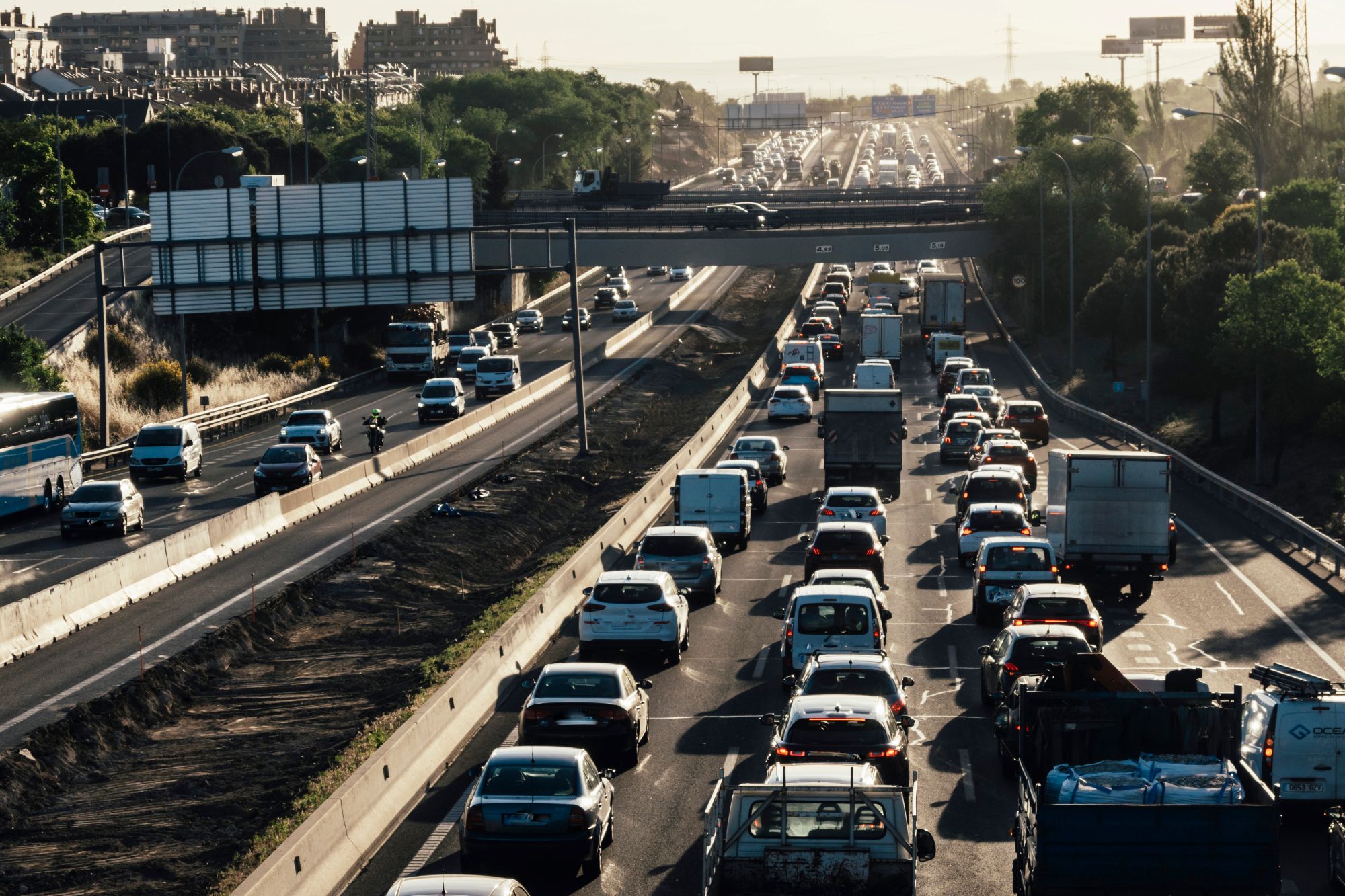
22,000 deaths per year in Spain are attributed to air pollution
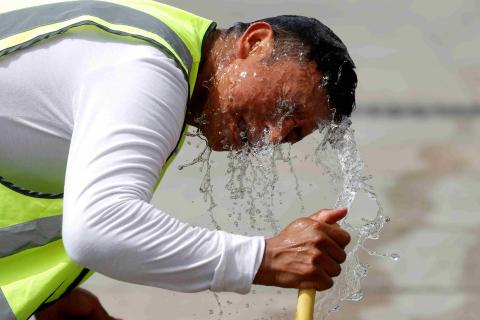
Around 5,800 deaths per year in Spain between 2012 and 2021 can be attributed to heat—twice as many as during the 1990s—according to a report published in The Lancet. In addition, of the deaths that occurred during 2022, around 22,000 can be attributed to air pollution, the publication adds. The Countdown report describes the impact of climate change on global health with more than 50 indicators reviewed by scientists. In the period 2020-2024, 61% of Spanish territory experienced at least one month of extreme drought per year; this figure is six times higher than the average for the period 1951-1960.
251029 countdown víctor EN
Víctor Resco de Dios
Lecturer of Forestry Engineering and Global Change, University of Lleida and researcher at Agrotecnio
The Countdown report, published annually by The Lancet since 2017, analyses the impacts of climate change on health. This year's report highlights how climate change resulting from greenhouse gas emissions, coupled with the inability of our leaders to take adaptive measures, is leaving us with a growing trail of preventable deaths. We are talking about deaths related to heat waves, pollution, or diseases such as dengue fever, which are spreading with global warming. The report also quantifies how Spain has lost more than 170 million hours of work due to increasing climate stress, and that there has been a 5% global loss in competitiveness.
The year 2023 has seen the second-highest subsidy for fossil fuels. Taxpayers have “donated” $956 billion to these companies globally through their taxes. It is particularly striking that, following the closure of its nuclear power plants, Germany has become one of the six countries providing the most subsidies for fossil fuels, with almost $62 billion annually (a subsidy equivalent to 11.5% of its health budget). This is due to the need to lower energy prices after relying on Russian gas and solar energy, and should teach us that climate change should scare us much more than nuclear energy, as it is a much more real, tangible and immediate threat to our health and economy.
Spain is far from that figure, but we still spend £6.8 billion on subsidising climate change, which is equivalent to 1% of the General State Budget in 2023, the last time it was approved. The study estimates that some 40,000 people in Spain died prematurely due to insufficient consumption of plant-based foods, a reminder of the high cost to our health of not following the Mediterranean diet.
In short, the study paints an increasingly dire picture, showing how the climate forecasts that were once considered a distant and future scenario are now already here. And what we are seeing now is just a preview of the future that awaits us if we continue as we are now.
Leslie Mabon - Lancet Countdown 2025 EN
Leslie Mabon
Senior Lecturer in Environmental Systems at the School of Engineering and Innovation, The Open University
The trends identified in the Countdown will not be surprising to anyone who has been working on the human impacts of climate change, but the message is clear. At higher levels of global warming, the costs to society in terms of deaths and human health impacts increase significantly. The authors are therefore explicit that society should avoid 'backsliding' towards less ambitious global warming targets. What is notable is that the authors are also very clear that protecting human health globally under a warming climate means phasing out fossil fuels and supporting the most vulnerable with meaningful financing to adapt to the climate impacts we are already locked into. With COP30 on the horizon, the Countdown report is yet another warning to the leaders of high-emitting nations that delaying substantive climate action will be extremely harmful and costly.
The Lancet Countdown on health and climate change is a major initiative. This is a study that brings together over one hundred authors, covering multiple countries and different areas of expertise. The Countdown report does not undertake new research itself, but analyses trends across data produced by international organisations and synthesises the best available peer-reviewed science on climate change. The aim of doing so is to understand how climate change will impact upon human health globally.”
Declaration of competing interests: “I am an Ambassador for the National Centre for Resilience Scotland. This is a body committed to supporting Scotland to prepare for extremes through the best-available evidence. I am also a member of the Scottish Government First Minister's Environmental Council, again a body committed to helping the Scottish Government respond to climate change and biodiversity challenges in line with international best practice. I receive no compensation for either role.”
Chloe Brimicombe - Lancet Countdown 2025 EN
Chloe Brimicombe
Climate scientist and public engagement manager, Royal Meteorological Society (RMetS)
This report is important and in its ninth year has always been a strong call to action on climate change, demonstrating health impacts.
The methodology in calculation of heat related mortality – a new indicator in this years’ report - is robust. To take this forward, countries should use these figures as a base to create their own indicators that become part of a country’s own tracking data that can be used operationally by policymakers. We need to support countries more to do this and provide actionable solutions to reduce the negative indicators.
We should note that sometimes putting in a health intervention like improving access to clean water can reduce vulnerability to climate-related health conditions. This is difficult to capture in an indicator and can be useful to get climate action in other parts of policy.
Marina Romanello et al.
- Research article
- Peer reviewed