Two mutations identified that make the avian flu virus more dangerous in the United States than in Europe
The North American strain of the H5N1 avian influenza virus has been shown to be capable of causing outbreaks in mammals such as cows, something not seen elsewhere in the world, including Europe. An international team has identified and tested two mutations in ferrets that may explain improved adaptation and greater virulence. According to the authors, who published the results in the journal Science Advances, the finding "highlights the urgent need for strengthened surveillance and targeted interventions.
Nogales - H5 USA (EN)
Aitor Nogales González
Senior scientist at the CSIC at the Animal Health Research Centre (CISA), National Institute for Agricultural and Food Research and Technology (INIA)
The current situation with the highly pathogenic avian influenza (HPAI) H5N1 virus is generating great alarm worldwide, due to multiple outbreaks in wild birds, poultry, and mammals. This study analyzed the differences in pathogenicity between two H5N1 viruses belonging to clade 2.3.4.4b, but from different lineages: North American and Eurasian.
This work is highly relevant, since previous observations suggested that the more recent American lineage exhibits a greater capacity for systemic dissemination, as well as greater tropism and invasion of the nervous system (neurotropism and neuroinvasion), and adaptation to mammals. However, the molecular mechanisms underlying these changes are not fully understood.
Using both in vitro and in vivo models, the researchers provide solid evidence of some of the molecular mechanisms responsible for the increased pathogenicity of the virus and its possible adaptation to mammals. In particular, two key mutations in distinct viral genes (PB2-478I and NP-450N) were identified that significantly increase viral polymerase activity, resulting in enhanced replication capacity.
These mutations not only enhance viral replication but also promote immune cell infection and systemic dissemination, contributing to increased virulence. Furthermore, these changes could play a crucial role in virus adaptation to mammals.
In conclusion, this carefully designed study provides crucial scientific evidence on the genetic determinants associated with the virulence of the H5N1 avian influenza virus subtype. Given the continued global spread of this virus and its growing threat to public health, it is essential to strengthen epidemiological surveillance efforts, as well as to continue research focused on the molecular mechanisms of pathogenicity and virus adaptation to new mammalian species.
Ursula Höfle - gripe aviar EEUU EN
Ursula Höfle
Contracted Lecturer, member of the SaBio Group at the Institute for Game and Wildlife Research (IREC) (CSIC-UCLM-JCCM)
'This article represents advanced work that seeks to reveal why the H5N1 virus behaves differently in North America and Europe. Researchers use ferret experiments and novel techniques to first determine in parallel which specific cells are infected by American and European H5N1 viruses and, in parallel, sequence the complete genome of both viruses. Using this methodology, they detected two mutations present in the American isolate that were not present in the European one. They verified these results with replication tests of the two viruses in different cell cultures, obtaining results similar to the ferret model. In the next phase, they created viruses with and without the mutations or a combination of both and confirmed that the virus without these mutations could not cause systemic infection and infection of immune system cells. However, each of the viruses with each of the mutations and the virus with both mutations caused infection of immune system cells and systemic distribution. Finally, they studied the mechanisms that changed in relation to the mutations, observing, above all, an improvement in replication and stability in immune system cells. Finally, they studied the possibility of vertical transmission of the virus through the mammary glands and the importance of the route of infection, again demonstrating the wide dispersal capacity of the North American genotype regardless of the route of infection, compared to the European genotype, which, depending on the route of inoculation, produces only a local infection of limited extent'.
What do you think of the article overall? Is it of good quality?
‘I think the article is of good quality as it provides new data that sheds light on some of the reasons for the virus's adaptation to mammals such as cows and domestic cats, but it also acknowledges the limitations of the technologies used precisely because of their novelty, which may limit the interpretation of data related, for example, to the type of cell infected.’
How does it fit in with existing evidence and what new information does it provide?
"The results partly confirm existing data and suspicions, while also raising new questions. The PB2 mutation has also been detected in the mink outbreak in Europe and had already been identified as an important mechanism for adaptation to replication in mammals. The most important contribution of the work is the identification of American IVA replication in immune system cells as one of the mechanisms of systemic dissemination and its link to the mutations described."
Are there any important limitations to consider?
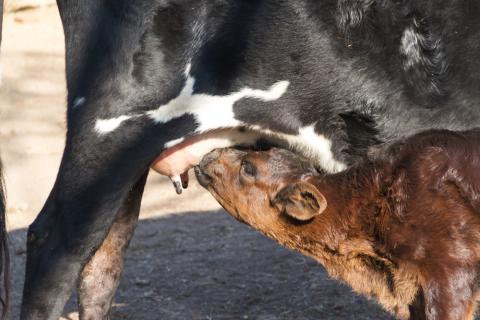
'The two most important limitations are those related to the interpretation of cell identification data using the methodology employed and the limitations of the models used. The breast organoid, for example, reflects the capacity for replication in these tissues but does not provide evidence of the route of transmission between cows and between cows and humans, which is one of the great unknowns'.
Kim et al.
- Research article
- Peer reviewed
- Experimental study