Journalists

Journalists

Covering current events in science, the environment, technology and health requires a context and reliable sources that respond quickly.

¿Qué me ofrece?

When science hits the headlines, we publish reactions, explanations, and in-depth analysis from reliable sources, capturing both the evidence and the debates. Our library of science journalism resources and the briefings may be of use to you. Consult our directory of research centres.

Icono
Cómo trabajamos

We are on the lookout for any controversial information about science (embargoed or not), in order to react with the agility the media needs. Sign up to receive our embargoed contents, all under the Creative Commons licence. Find out more about how we work here.

Título qué me ofrece
What we offer you
Título cómo trabajamos
How we work

H5N1 avian influenza: an old acquaintance that is changing fast

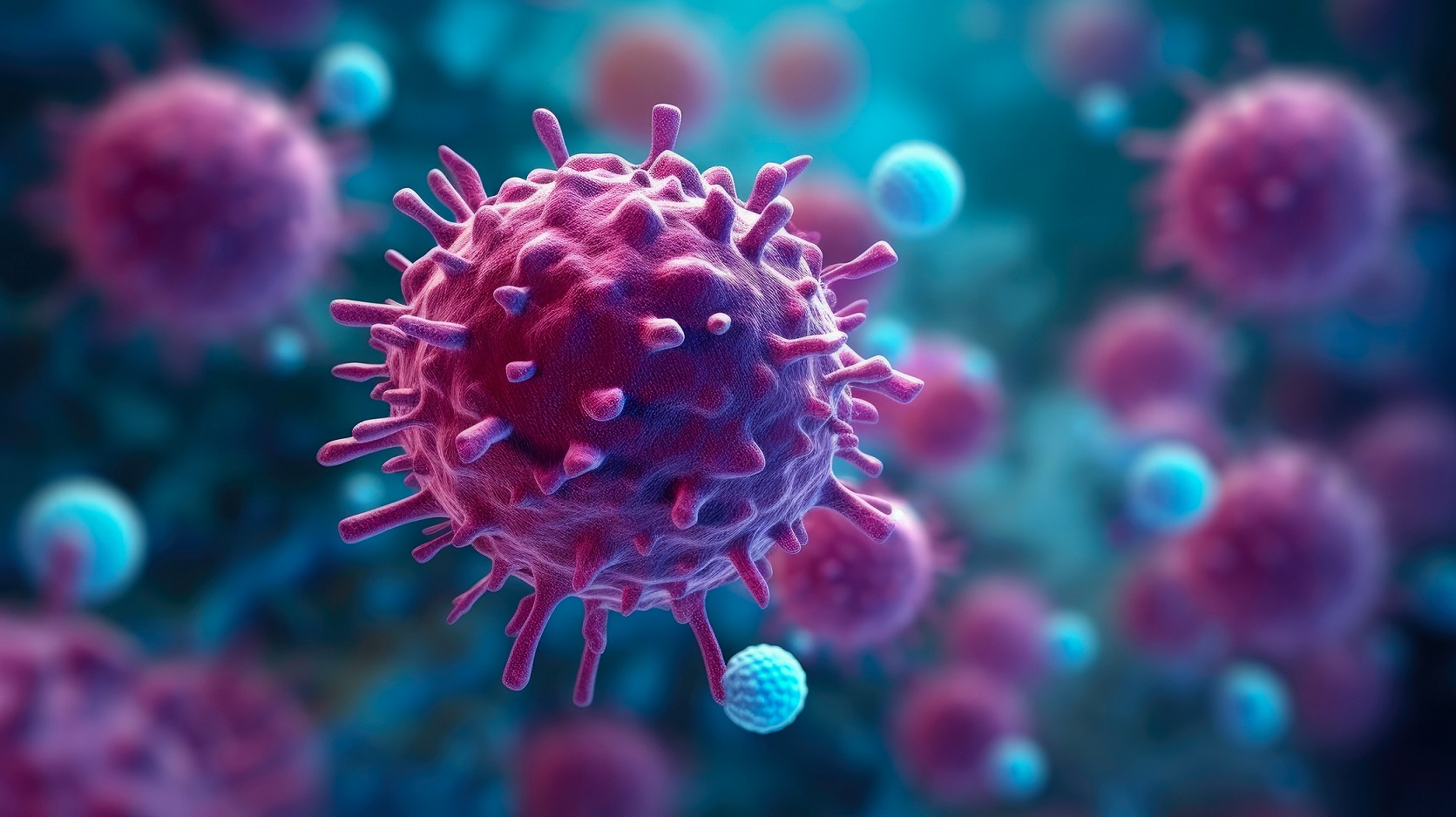
Outbreaks of highly pathogenic H5N1 avian influenza have been increasing since 2021, but in recent months have evolved into what is known as a 'global panzootic' affecting all types of wild birds and new continents, but also mammals such as mink and sea lions. At a briefing organised by SMC Germany, in collaboration with SMC UK and SMC Spain, three experts discussed the situation, the level of risk and possible next steps.

0

Reaction: free sugars are associated with increased risk of cardiovascular disease

Research analysing data from more than 100,000 people in the UK followed for nearly a decade concludes that a higher intake of free sugars - added sugars or those naturally present in honey and fruit juice - is associated with an increased risk of cardiovascular disease. The study is published in BMC Medicine.

0

Reaction: higher proportion of infant mortality due to genetic disease than previously thought

A study in California has found that 41% of deaths in the first year of life are due to genetic diseases. This percentage is higher than previously thought. According to the authors, strategies to improve neonatal genetic diagnosis may reduce infant mortality, as this diagnosis is sometimes missed or arrives late. The research is published in JAMA Network Open.

0

International Day of Women and Girls in Science: facts, studies and sources

11 February marks the International Day of Women and Girls in Science, proclaimed by the UN in 2015. It aims to "promote the full and equal participation" of women and girls in education, employment and decision-making. This document, which is open to suggestions from journalists and the research community, compiles resources to cover women and girls in science, on this day and throughout the year. 

0

Reaction: study associates higher risk of major depression with cases in the family

People who have a parent, sibling, or step-sibling with major depression have a higher risk of major depression themselves, according to research based on data from 2.9 million people in Denmark. This risk increases with the number of affected relatives and when exposure to depression occurs in childhood and adolescence, but does not vary by sex or kinship, says the study published in JAMA Psychiatry.

0

Reactions: two studies link microbiome changes to chronic fatigue syndrome

Two studies have found changes in the microbiome of patients affected by chronic fatigue syndrome. In particular, they have found a decrease in both butyrate and certain bacteria that produce butyrate. Butyrate is a factor related to the protection of the intestinal barrier and appears to play a role in the regulation of the immune system. Both papers are published in the journal Cell Host and Microbe.

0

Earthquakes in Turkey and Syria: what the historical record of the East Anatolian fault tells us

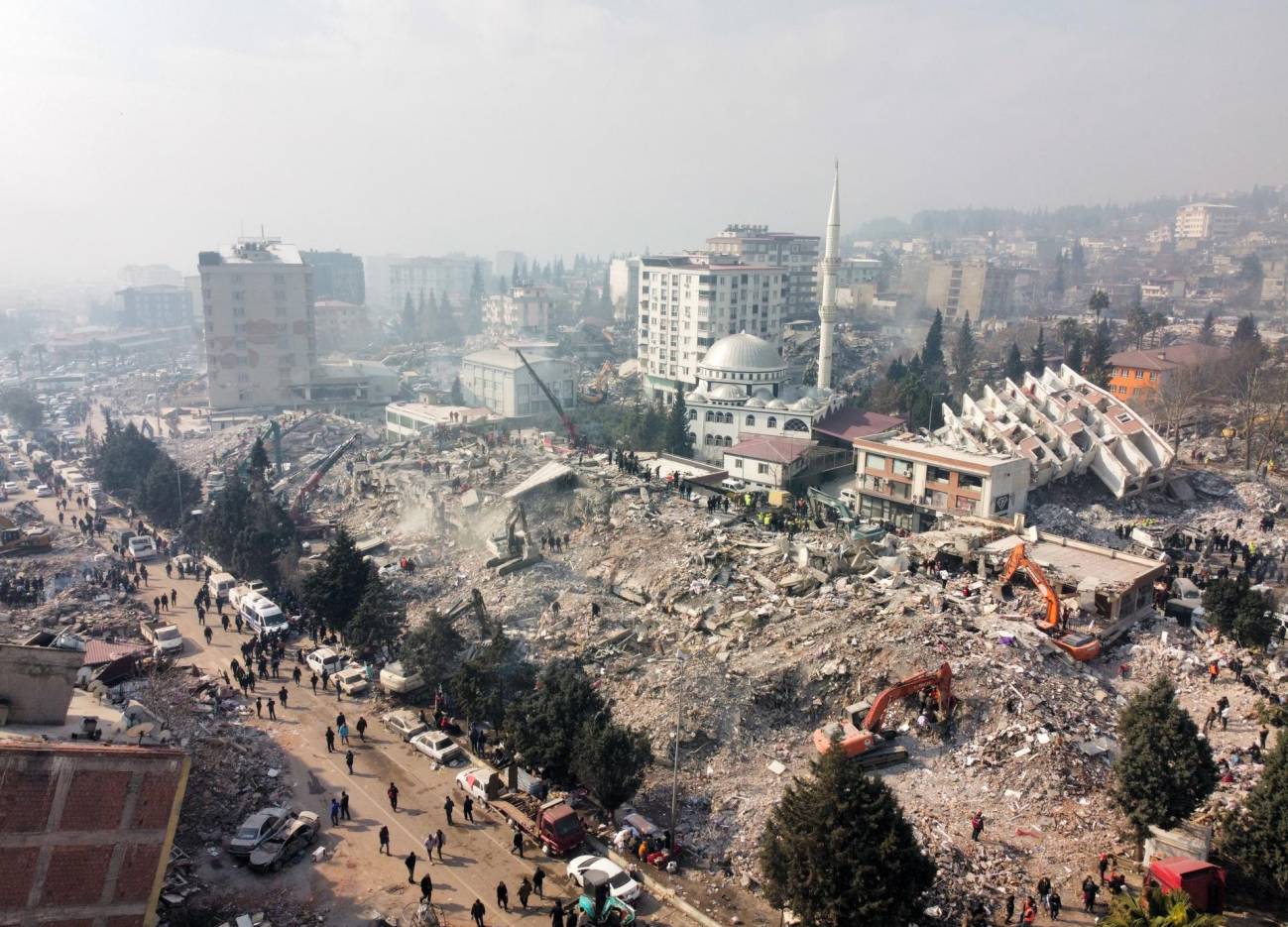
Faults can generate the most devastating earthquakes. The East Anatolian fault, where the earthquakes in Turkey and Syria occurred on 6 February, has been rupturing quite frequently - every few decades to hundreds of years. Seismic hazard maps are used to design buildings and infrastructure to withstand strong shaking during an earthquake. Reinforced concrete buildings with earthquake-resistant designs are the most appropriate, but often unaffordable for certain regions.

1