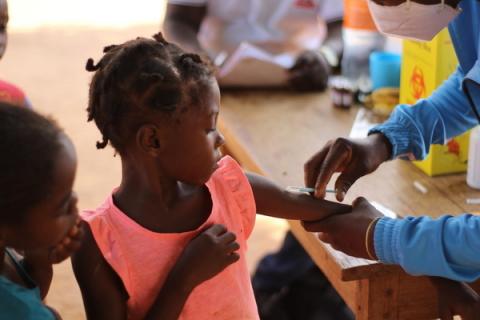
Childhood vaccination rates have stagnated since 2010
Between 1980 and 2023, childhood vaccination rates against diphtheria, tetanus, whooping cough, measles, polio and tuberculosis doubled worldwide, according to a study published in The Lancet. However, this increase slowed in many countries between 2010 and 2019; during this period, measles vaccination declined in half of all countries.
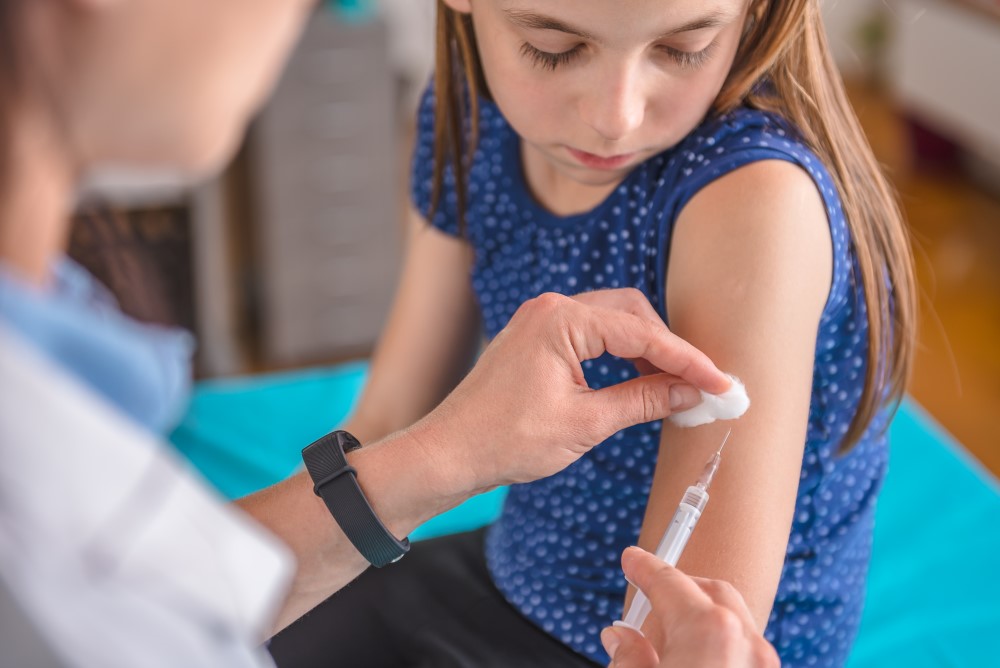
Adobe Stock
Ed Parker - vacunas Lancet
Ed Parker
Assistant Professor and Co-Director of the Vaccine Centre, London School of Hygiene & Tropical Medicine (LSHTM)
This is a timely study that attempts to quantify global trends in childhood vaccine coverage since 1980. The findings highlight the remarkable progress that has been made to deliver life-saving vaccines across the globe, while painting a clear picture of the challenges faced following disrupted vaccination during the COVID-19 pandemic and the stagnation in vaccination rates that preceded it.
Underpinning the work is an immense data curation effort, drawing together data from household surveys, national coverage reports, and various other sources from across the globe. The study team estimated coverage trends with careful consideration of the biases, gaps, and inconsistencies that are inherent in these data, providing strong foundations for the study’s conclusions.
A key uncertainty – acknowledged by the authors – is that it is too early to know what effect proposed funding cuts might have on vaccination programmes globally. The recent resurgence of measles, polio, and diphtheria – all preventable by vaccination – serves as a reminder of what is at stake if high and equitable vaccine coverage is not sustained.
Helen Bedford - vacunas Lancet
Helen Bedford
Professor of Children’s Health, UCL
It is often said that, after clean water, vaccination is the most effective intervention for protecting the health of our children. While it can be challenging in many settings to measure vaccine uptake accurately, the researchers publishing the latest data from the World Health Organization have made allowance for this and it provides powerful evidence. It is estimated that vaccination has prevented an estimated 154 million deaths, mostly in the under-fives, across the globe in the last 50 years. However, we cannot rest on our laurels; this progress is stalling in many countries including the UK. In UK, although vaccination is the norm, with the overwhelming majority of parents vaccinating their babies, infants and children without hesitation, there has been a small but gradual decline in the number of parents doing so each year over the past 12 years with increasing inequity in uptake between social groups. This has resulted in recent outbreaks of disease with the largest number of confirmed cases of measles since the 1990s and the tragic deaths of eleven babies from whooping cough in 2024.
The reasons for declining vaccine uptake are numerous and complex but require commitment and resource to meet the challenges of increasing social inequity, readily available mis-information about vaccine safety and necessity and improving public confidence in vaccination programmes. Vaccination remains one of our most powerful tools for protecting child health, but its continued success depends on sustained investment, equity, and public trust.
David Elliman - vacunas Lancet
David Elliman
Honorary Senior Associate Professor, UCL
Vaccination is one of the most cost-effective ways that the health service can improve the lives of children around the world. It is a great success story with more vaccines being introduced all the time. Not only does vaccination save lives, but it often saves money. However, in the last ten to twenty years, many countries, worldwide, have seen a reduction in the proportion of children receiving all the available vaccines. This article by a large group of researchers has documented the decline. It may be difficult to measure uptake of vaccination accurately, but the researchers have allowed for this. It is clear that the decline in uptake is happening around the world. This has resulted in outbreaks of disease, for examples measles and whooping cough in USA and Europe (including UK) as well as in resource poor countries. These diseases can and do kill children. While part of the fall in vaccination is related to COVID, the trend was clear before then.
Declining vaccination rates are often blamed on misinformation, but there are many reasons, of which this is only one. Access to vaccines is often overlooked or underestimated as a factor, even in the UK. Around the world, the increasing number of countries torn apart by civil unrest and wars, combined with the drastic cuts in foreign aid from rich nations, such as USA and UK, makes it difficult to get vaccines to many populations. With the political changes in USA where it appears that policy is being made on the basis of ill-informed opinion, rather than science, we have a perfect storm. The researchers’ recommendations to strengthen primary health-care systems, address vaccine misinformation and hesitancy, and adapt to local contexts can, and should, be applied to all countries, including the UK. In addition we should ensure that vaccines are available to all.
It is in everyone’s interest that this situation is rectified. Not only is it a moral imperative to improve the health of ALL children, wherever possible, but as was said during the COVID pandemic, no-one is safe, until everyone is safe. While vaccine-preventable infectious diseases, occur anywhere in the world, we are all at risk. Universal vaccination is a perfect example of enlightened self interest.
- Research article
- Peer reviewed
- Observational study
- People