University of Murcia
If you are the contact person for this centre and you wish to make any changes, please contact us.
Head of the Circadian Rhythm and Cancer group at the Pascual Parrilla Murcian Institute of Biosanitary Research and Vice Dean of the Faculty of Biology at the University of Murcia
Immunologist.
Lecturer in the Toxicology Department of the Veterinary Faculty of the University of Murcia
Head of the Cardiology Department at the Virgen de la Arrixaca Hospital and Professor at the University of Murcia
Professor of Prehistory at the University of Murcia.
Professor of Physiology and researcher at the Faculty of Veterinary Medicine of the University of Murcia
Professor of Music at the Faculty of Education, University of Murcia, and editor of the flamenco research journal La Madrugá.
Educational counsellor in the region of Murcia
Professor of Physiology and Director of the Chronobiology Laboratory at the University of Murcia

Drinking less than 25 grams of alcohol a day (2.5 standard drinking units, the equivalent of two and a half pints) does not reduce mortality, according to an analysis that aggregates data from 107 previous studies and 4.8 million people. Some studies claim that people who drink alcohol in low doses live longer and are less likely to die of cardiovascular disease than those who abstain completely. This meta-analysis published in JAMA Network Open, which brings together studies published between 1980 and 2022 in several countries, found no such protective effect. It did find a significant increase in the risk of mortality at 25 g per day for women and 45 g per day for men. In Spain, the Ministry of Health sets the limits for low-risk consumption at 10 g of alcohol per day for women and 20 g for men.

Using genetic data from more than 340,000 participants of European descent, research has identified five genetic variants that make people more susceptible to myopia in combination with intensive schooling, especially university studies. The results are published in PLOS Genetics.
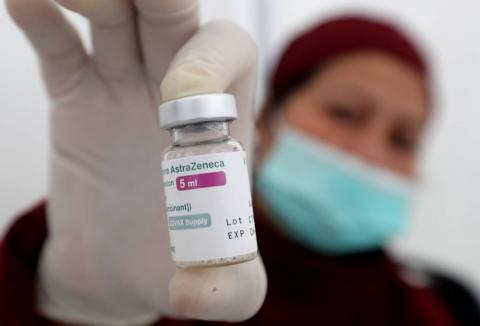
A study published in the BMJ looks at the risk of thromboembolic events associated with different covid-19 vaccines, both adenovirus- and mRNA-based. Its results are based on data collected from more than 10 million adults in France, Germany, the Netherlands, Spain, the UK and the US who received at least one dose of a covid-19 vaccine from December 2020 to mid-2021.

A survey conducted by the COSMO-Spain team to find out the reasons why some people have not yet been vaccinated showed that most of them fear that vaccines are unsafe and their side effects. These results highlight the importance of rigorous communication of drugs that are considered safe and effective by all studies and agencies.