University of Cádiz
If you are the contact person for this centre and you wish to make any changes, please contact us.
Lecturer at the University of Cadiz, researcher at the Institute of Marine Research (INMAR) and Scientists Coalition for an Effective Plastics Treaty
Professor in the Department of Biology (Botany Section) at the University of Cádiz and researcher with the 'Ecology, Evolution, and Conservation in Terrestrial Ecosystems' (ECOTER) group
PhD in Biomedicine and Health Sciences. Researcher with the Galeno CTS-158 Group, University of Cádiz
University professor of teh area of music at the University of Cádiz and researcher at the Institute for Research and Innovation in Biomedical Sciences (INiBICA)
Coordinator of the Master's Degree in Conservation and Management of the Natural Environment and researcher in the Biology-IVAGRO department at the University of Cádiz
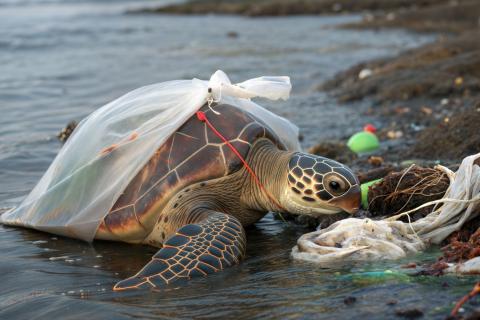
According to a study compiling data from 10,000 marine animal necropsies, 35% of birds, 12% of mammals, and 47% of turtles examined had ingested macroplastics, causing death in 1.6%, 0.7%, and 4.4% of these animals, respectively. The types of plastic that pose the greatest risk are rubber for birds, soft plastics and fishing debris for mammals, and hard and soft plastics for sea turtles, concludes this study published in PNAS.
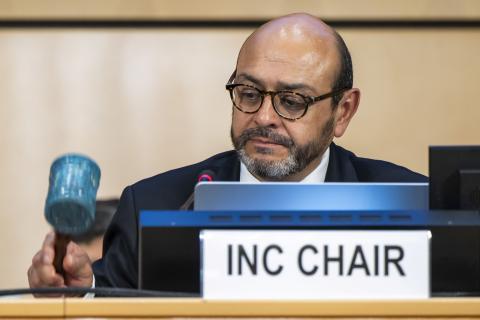
After 10 days of meetings and beyond the deadline, representatives from more than 180 countries gathered at the UN headquarters in Geneva (Switzerland) have failed to agree on a global treaty against plastic pollution, the first legally binding one. This negotiation was, in principle, the last chance to reach an agreement, after the last meeting in Busan (South Korea) also ended without a treaty in December, two and a half years after negotiations began.
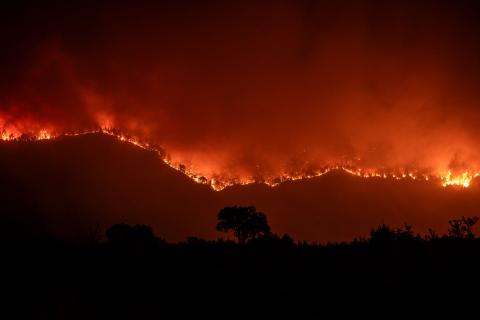
Four people have died in the fires that began last weekend on the Iberian Peninsula and have spread to different areas of Galicia, Castile and León, Andalusia, Castile-La Mancha, Extremadura and Madrid. The heatwave that continues to grip the country, strong gusts of wind and their changing direction, and the thermal drought are hampering firefighting efforts. The government declared on Tuesday a pre-emergency phase and thousands of people have had to be evacuated.

Most research on the presence of plastics in the seas has focused on macro- and microplastics. Now, an international team has analyzed the presence of nanoplastics - smaller in size - in different locations and depths of the North Atlantic Ocean, including areas near the European coasts. The results suggest that these may account for the majority fraction of the total mass of plastic in the oceans and that the total mass of marine plastic may be greater than previously thought. The work is published in the journal Nature.
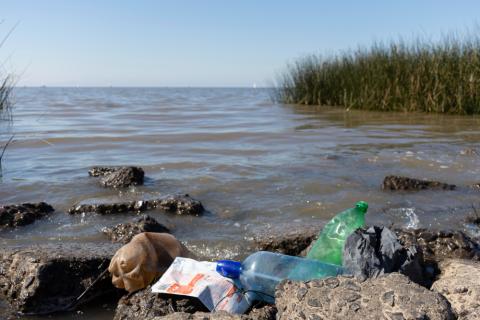
The fifth session of the United Nations Intergovernmental Negotiating Committee to develop an international legally binding instrument on plastic pollution (INC-5) ended without a treaty in Busan, South Korea, in the early hours of the morning. The more than 100 countries participating in what was to be the final round of negotiations have agreed to continue negotiating, reports Reuters.
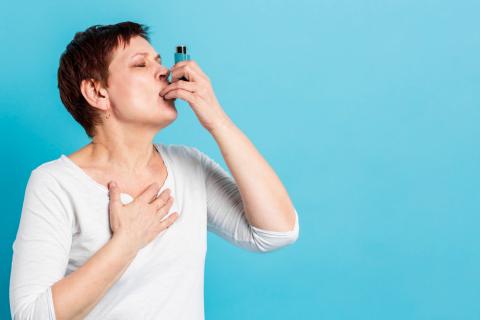
Benralizumab is a monoclonal antibody used in the maintenance treatment of severe asthma. Now, a phase 2 clinical trial has tested its use in asthma attacks or exacerbations of COPD (chronic obstructive pulmonary disease) in 158 patients. The results, published in The Lancet Respiratory Medicine, indicate that it was more effective than standard corticosteroid-based treatment and that more patients responded to it. According to the authors, these data could be ‘a game changer’ in the treatment of this type of attack.
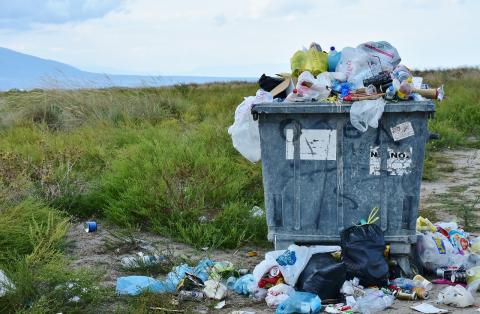
If practices and public policies do not change, the mass of mismanaged plastic waste in the world will double to 121 million tonnes per year by 2050, according to a study published in Science. The article also assesses the potential impact of global measures, such as those envisaged by the forthcoming UN global treaty on plastic pollution, which begins its final negotiating session at the end of this month.
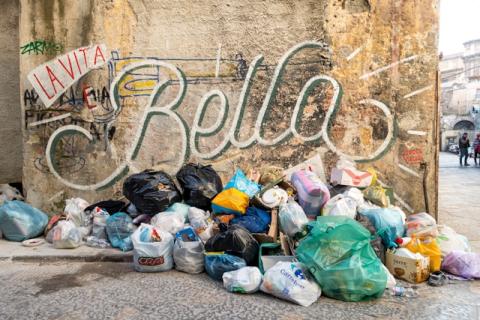
More than 52 million tonnes of plastic waste are emitted around the world every year, according to a study published in Nature that inventories plastic pollution in 50,702 cities. It concludes that littering is the largest source of plastic emissions in the global North, and uncollected waste is the largest source in the South.
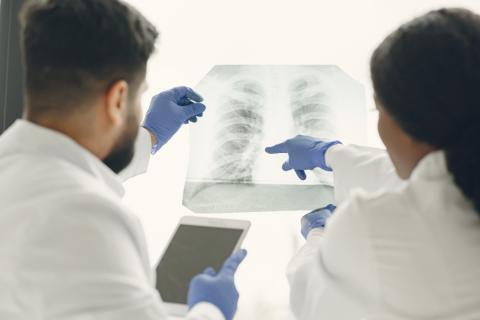
Chinese researchers have designed an asthma treatment based on CAR-T cells. A single injection of these cells, modified to attack the eosinophils themselves - a type of white blood cell that is activated by certain infections and allergies - achieved remission of the signs and symptoms of the disease for at least a year in mice. According to the authors, the technique will need to be tested in human clinical trials, but could be useful for treating both asthma and other types of allergies. The results are published in the journal Nature Immunology.
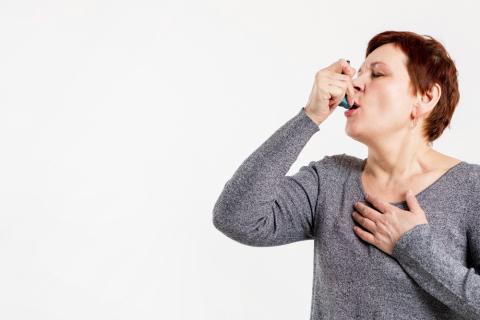
An international team of researchers, with Spanish participation, has proposed in the journal Science a new mechanism to explain asthma attacks more fully. According to their hypothesis, the mechanical forces that occur during these episodes cause cells to accumulate in excess, leading to a process of elimination called "cell extrusion". As a result, the tissue is damaged, loses its barrier function and increases the risk of successive attacks. Inhibitors of this mechanism improved damage and inflammation in laboratory mice.