Murcian Institute for Biosanitary Research (IMIB)
If you are the contact person for this centre and you wish to make any changes, please contact us.
Head of the Circadian Rhythm and Cancer group at the Pascual Parrilla Murcian Institute of Biosanitary Research and Vice Dean of the Faculty of Biology at the University of Murcia
Neurologist at Santa Lucía General Hospital in Cartagena, associate professor of Pharmacology at the Catholic University of Murcia (UCAM), researcher in neuropsychiatry at the Murcian Institute for Bio-Health Research (IMIB)
Principal researcher at the Murcia Institute for Biomedical Research and professor in the Department of Human Anatomy and Psychobiology at the University of Murcia

Chemotherapy-induced peripheral neuropathy is a side effect of platinum-based cancer treatments that affects more than 60 per cent of patients and causes pain, a burning sensation and numbness. The psychedelic compound psilocybin could help prevent it, according to researchers behind a study using mouse models published in Science. Two doses of psilocybin administered prior to treatment prevented peripheral neuropathy for up to six cycles of chemotherapy without reducing its anti-tumour effects. The author of another perspective article on this study, also in Science, states that “the challenge now is to translate this understanding of the underlying mechanisms into carefully designed clinical trials”.
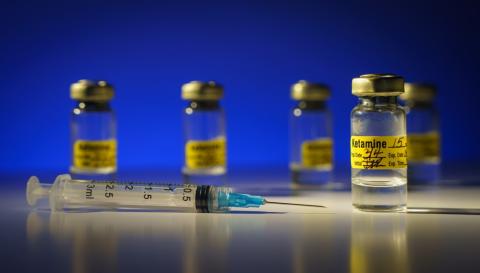
Single and repeated intravenous ketamine infusions are effective in reducing suicidal and depressive symptoms in patients with an acute episode of major depression. These are the main conclusions of a systematic review and meta-analysis published today in the journal JAMA Psychiatry, which also notes that long-term outcomes are not well established.

Individualised dosing of a synthetic inhalable formulation of mebufotenine, a psychedelic substance, led to improvements in depressive symptoms compared with placebo and was well tolerated. These are the results of a phase 2 clinical trial published in the journal JAMA Psychiatry, which includes Spanish participation. According to the authors, this supports its potential as a novel, fast-acting treatment for treatment-resistant depression.
[Nature Medicine has retracted this article on 24 June 2026]
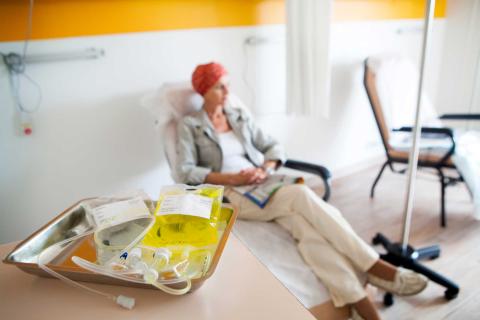
A phase 3 clinical trial conducted in China tested 210 patients with advanced non-small cell lung cancer—the most common type—to see whether the time of day when immunotherapy and chemotherapy were administered influenced their effectiveness. The data indicate that, on average, those who received therapy after 3 p.m. did not see their cancer worsen for 5.4 months. In contrast, those who received it before that time did not see their cancer worsen for an average of 11.7 months, almost twice as long. Overall, response rates were 56.2% and 69.5%, respectively. The results, published in Nature Medicine, suggest that scheduling therapy early in the day may offer a simple and cost-free way to improve treatment efficacy.

If the United States did not change the time twice a year, there would be a lower incidence of obesity and strokes. This is the conclusion of a study by Stanford University (USA) published in PNAS that compared how three different time policies — permanent standard time (winter), permanent daylight saving time, and biannual time changes — could affect circadian rhythms and the health of the population. By modelling light exposure, circadian impacts and health characteristics county by county, the researchers estimate that permanent standard time would prevent about 300,000 cases of stroke per year and reduce the number of people with obesity by 2.6 million, compared to biannual changes. Permanent daylight saving time would also be positive, although with a smaller impact.
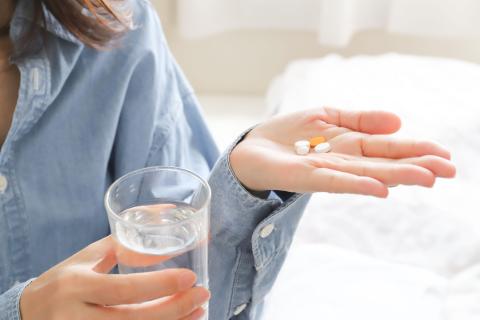
An oral formulation of risperidone could be administered weekly instead of daily to treat patients with schizophrenia with the same efficacy, according to a phase III clinical trial published in The Lancet Psychiatry. The study included 83 patients in the United States.

Drinking less than 25 grams of alcohol a day (2.5 standard drinking units, the equivalent of two and a half pints) does not reduce mortality, according to an analysis that aggregates data from 107 previous studies and 4.8 million people. Some studies claim that people who drink alcohol in low doses live longer and are less likely to die of cardiovascular disease than those who abstain completely. This meta-analysis published in JAMA Network Open, which brings together studies published between 1980 and 2022 in several countries, found no such protective effect. It did find a significant increase in the risk of mortality at 25 g per day for women and 45 g per day for men. In Spain, the Ministry of Health sets the limits for low-risk consumption at 10 g of alcohol per day for women and 20 g for men.