CIBERobn
If you are the contact person for this centre and you wish to make any changes, please contact us.
PhD in Pharmacy, Professor of Human Physiology at the University of Navarra, member of the CIBER Physiopathology of Obesity, Carlos III Health Institute and IDISNA (Navarra)
CIBEROBN researcher and professor of preventive medicine at the University of Valencia
Professor Emeritus of Pediatrics at the University of Valencia
Researcher Emeritus at the Research Foundation of the Valencia University General Hospital Consortium
Research group head at CIBERobn
Professor in the Department of Physical Education and Sport at the Faculty of Sports Sciences, Director of the Joint University Institute for Sport and Health (iMUDS) at the University of Granada, and Coordinator of the CIBEROBN Group on Physical Activity and Obesity
Researcher and lecturer in nutrition and public health, Rovira i Virgili University (URV) and the Southern Catalonia Biomedical Research Institute (IRBCatSud), CIBERobn
Co-coordinator of the working group on Nutrition of the Spanish Society of Epidemiology (SEE), Professor of Preventive Medicine and Public Health at the University of Navarra, and member of CIBERobn
Assistant Professor in the Department of Preventive Medicine and Public Health at the University of Valencia, and researcher at the CIBER Centre for the Physiopathology of Obesity and Nutrition (CIBEROBN) at the Carlos III Institute

Consuming certain mixtures of common food additives is linked to a slightly increased risk of developing type 2 diabetes, according to an analysis of data from more than 108,000 adults in France. The study, published in PLoS Medicine, identified five mixtures of additives frequently used in ultra-processed foods and concluded that two of them are associated with the disease: the first mixture consisted mainly of emulsifiers, preservatives and a colouring agent, and the second of acidifiers, acidity regulators, colouring agents, artificial sweeteners and emulsifiers.

In a group of people at high cardiovascular risk, low to moderate wine consumption was associated with fewer cardiovascular events (cardiovascular death, myocardial infarction, stroke or heart failure), according to a study. The analysis uses urinary concentrations of tartaric acid, a substance found in grapes and grape derivatives, as a biomarker of wine consumption. It finds that consuming between three and 35 glasses per month was associated with fewer cardiovascular events than in people who consumed fewer than three or more than 35 glasses. The study, published in the European Heart Journal, included more than 1,200 participants from Spain's PREDIMED study with an average age of 68 years.
Adipose tissue retains a ‘memory’ of obesity through cellular transcriptional and epigenetic changes that persist after weight loss, which may increase the likelihood of regaining weight, experiments in human and mouse cells show. The findings, published in Nature, could help explain the problematic ‘yo-yo effect’, the rapid weight rebound often seen with dieting.
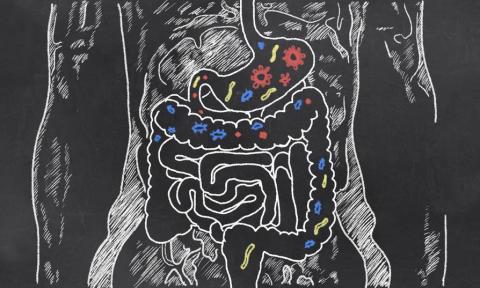
Many diseases related to bacteria, such as inflammatory bowel disease or colorectal cancer, are associated with an overgrowth of gut bacteria considered 'bad'. However, a study published in the journal Cell suggests that changes in microbial load, rather than the disease itself, could be the driving factor behind the presence of these harmful species associated with pathologies.

The restriction of sugar during the first 1,000 days of life, starting from gestation, may protect against diabetes and hypertension in adulthood, according to a study published in Science. The research uses data from sugar rationing implemented in the United Kingdom after World War II. The findings highlight the long-term benefits of reduced sugar intake during early development.
The use of the antidepressants escitalopram, paroxetine, and duloxetine is associated with greater weight gain than the use of sertraline, according to the results of an analysis comparing data from more than 183,000 adults treated with one of eight types of antidepressants. Among these, bupropion is associated with the least weight gain, concludes the study, which is published in Annals of Internal Medicine.
People who take multivitamins daily do not have a lower risk of mortality than people who do not use these products, according to a meta-analysis published in JAMA Network Open. The study pooled data from more than 390,000 people, followed for about 20 years in three different cohorts in the United States.

About one in 5,000 people have a genetic variant in the SMIM1 gene that results in a particular type of blood type called Vel negative. An international team of researchers now describes the same variant as being associated with a predisposition to obesity, metabolic disturbances and lower resting energy expenditure. Women studied with the variant weigh, on average, 4.6 kg more, while in men the difference is about 2.4 kg. The results are published in the journal Med, published by the Cell group.

People who eat more ultra-processed foods have a "slightly higher" mortality rate, according to an analysis published in The BMJ. The study analysed data from more than 110,000 people followed up for over 30 years in the United States. The correlation between ultra-processed food intake and all-cause mortality was strongest for the meat, poultry and seafood group.
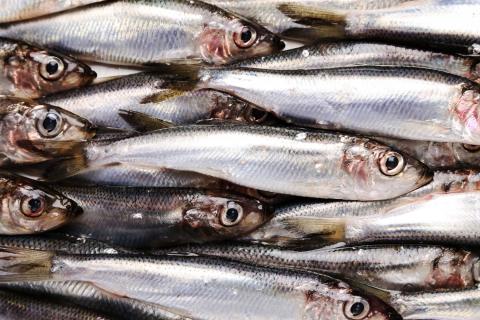
Switching some of the world's red meat consumption to forage fish - such as sardines, herring or anchovies - would reduce the number of deaths by between 500,000 and 750,000 by 2050, according to a study published in BMJ Global Health. The authors used data projections for that year for both red meat consumption and forage fish catches in 137 countries, substituting one for the other without exceeding the supply limit for the latter. The research estimates that sardines, herring and anchovies could replace 8% of the world's red meat, which would also serve to reduce the prevalence of diet-related diseases.