
CEU San Pablo University
If you are the contact person for this centre and you wish to make any changes, please contact us.
Professor of Microbiology at the Faculty of Pharmacy
Principal investigator of the Psycho-Technology research group, Department of Psychology, Faculty of Medicine, San Pablo CEU University
Professor of Neurology at the Faculty of Medicine of the CEU San Pablo University, Director of the Centro Integral de Neurociencias HM CINAC and a full member of the Royal National Academy of Medicine of Spain

Parkinson's disease is usually diagnosed when there is already extensive neuronal damage and symptoms are evident. Now, researchers at Cardiff University in the UK have used movement and sleep quality data from wearable accelerometers and concluded that they can help identify the disease early, years before clinical diagnosis. Although there is no effective preventive treatment, the authors propose that the tool can determine people at risk of developing Parkinson's disease and identify participants for clinical trials of neuroprotective treatments. The results are published in the journal Nature Medicine.
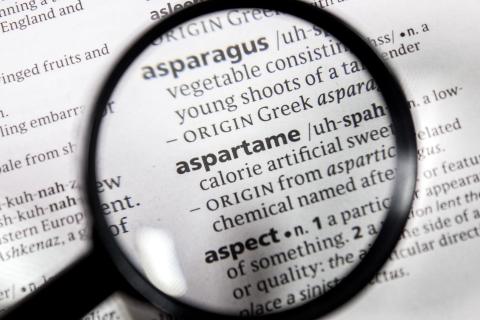
Reuters has reported that aspartame, one of the most common artificial sweeteners, will be listed as "possibly carcinogenic to humans" by the International Agency for Research on Cancer (IARC), an agency of the World Health Organisation, in July.
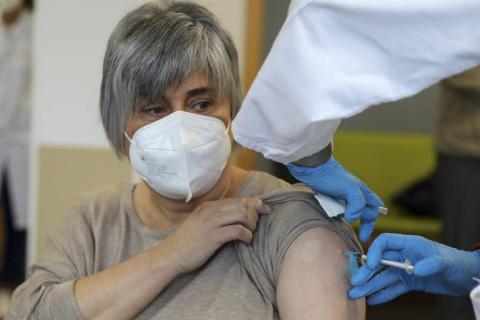
A study published in the journal Science Translational Medicine shows the results of a phase 1 trial of a new broad-spectrum influenza vaccine. Prepared in the form of nanoparticles containing the H1 hemagglutinin stem-a region that is often conserved in different subtypes of the virus-the vaccine was generally well tolerated by participants, who showed only mild side effects such as tenderness and headaches. The prototype generated an antibody response to group 1 influenza viruses in all age groups.
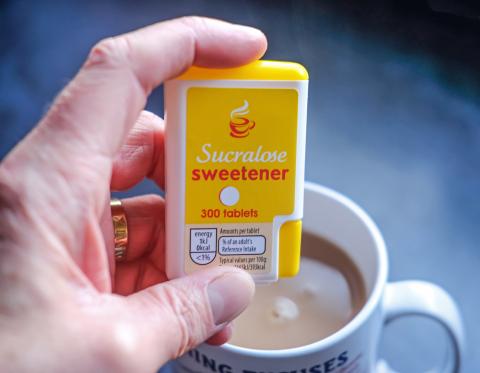
A study in mice has found that high doses of the sweetener sucralose can reduce the immune response and, under certain laboratory conditions, alter its action against infections or tumours. The results are published in the journal Nature.
A study has associated the consumption of the sweetener erythritol with an increased risk of cardiovascular disease, specifically myocardial infarction and stroke. The data are published in the journal Nature Medicine.

A study published in the journal Science reports preclinical results of a new vaccine model that is intended to work against all types of influenza. The prototype, which uses mRNA-based technology, includes antigens from all 20 known influenza subtypes.