
CEU San Pablo University
If you are the contact person for this centre and you wish to make any changes, please contact us.
Professor of Microbiology at the Faculty of Pharmacy
Principal investigator of the Psycho-Technology research group, Department of Psychology, Faculty of Medicine, San Pablo CEU University
Professor of Neurology at the Faculty of Medicine of the CEU San Pablo University, Director of the Centro Integral de Neurociencias HM CINAC and a full member of the Royal National Academy of Medicine of Spain
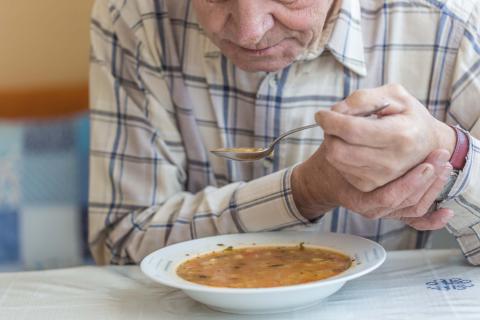
Various studies have shown that smokers have a lower risk of developing Parkinson’s disease, but the causes remain unknown. A study has analysed the role played by carbon monoxide — a toxic gas produced by the combustion of tobacco — in this association. To this end, the team conducted a twelve-year follow-up study of more than half a million adults in China. The results show that regular smoking was associated with an increased risk of lung cancer, ischaemic heart disease, stroke and all-cause mortality, but with a lower risk of Parkinson’s disease. Most strikingly, amongst people who had never smoked, higher levels of exhaled carbon monoxide—which the authors measured—were associated with a lower risk of Parkinson’s disease. According to the study, published in JAMA Neurology, these findings demonstrate a possible protective role of carbon monoxide in the disease, rather than smoking itself.
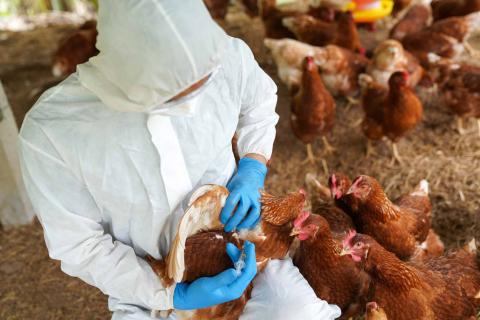
Viruses that cause avian influenza are capable of replicating at temperatures higher than a typical fever, according to a study in in vitro models and mice. ‘Fever-resistant replication could help explain why avian viruses and pandemic influenza viruses with avian PB1 cause more severe disease in humans,’ the authors write in the journal Science.

A study published in Scientific Reports concludes that adults who use Instagram very frequently overestimate their ‘addictive’ use, which complicates self-control and increases feelings of guilt. According to the research, excessive use, in most cases, is not an addiction but a habit. The study was conducted on more than 1,000 Americans and suggests that the fact that many think they have an ‘addiction’ may be related to the media's frequent use of this term when talking about social media.
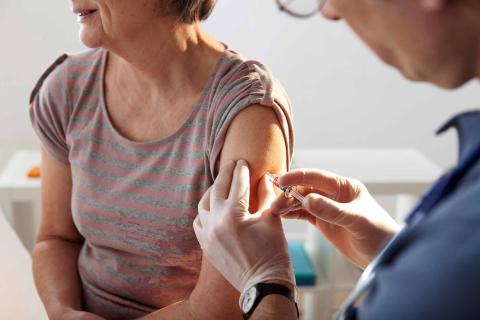
A clinical trial funded by Pfizer has tested a new influenza vaccine based on messenger RNA (mRNA). The phase 3 trial included more than 18,000 people aged 18 to 64, half of whom received the new compound and the other half a conventional vaccine. The results indicate that the mRNA vaccine was more effective, but it also caused more adverse reactions: for example, 5.6% of the volunteers who received it developed a fever, compared to 1.7% of those who received the conventional vaccine. The study is published in the journal NEJM.
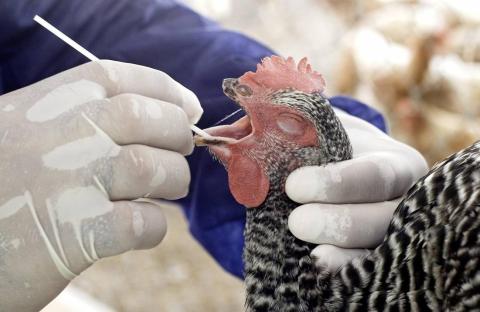
A team of researchers from the USA has analyzed the B lymphocytes of seven healthy people in whom no exposure to H5 influenza viruses, such as the avian flu virus, had been documented. The results show that they present antibodies capable of recognizing this type of virus, which, according to the authors, could represent “a first line of defense” in the event of a pandemic. The results are published in the journal Science Immunology.
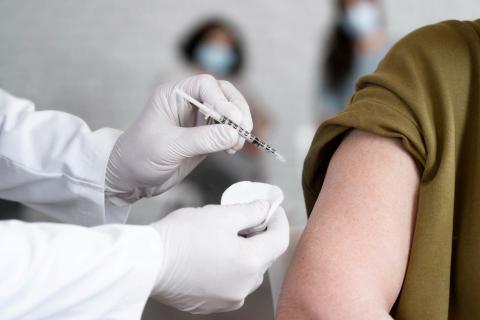
A team led by the CEU San Pablo University has analysed the role of vaccination against influenza on the risk of infection and mortality. The meta-analysis, published in European Respiratory Review, includes 192 articles from different countries over the last 20 years and includes data from more than 6.5 million patients. The results show that the level of protection varies according to age group and influenza subtype. Although it does not reduce the risk of infection for influenza A H3N2 in those over 65 years of age, nor does it show a reduction in mortality for influenza B - which is less associated with mortality than influenza A - overall, vaccination is shown to be effective in both preventing infection and reducing mortality.

The restriction of sugar during the first 1,000 days of life, starting from gestation, may protect against diabetes and hypertension in adulthood, according to a study published in Science. The research uses data from sugar rationing implemented in the United Kingdom after World War II. The findings highlight the long-term benefits of reduced sugar intake during early development.
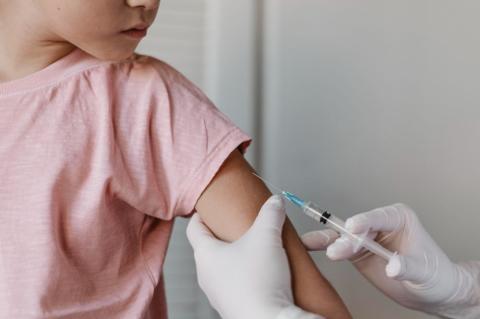
Children born in October are more likely to be vaccinated against flu during that month and less likely to be diagnosed with the disease than those born in other months, according to a study published in BMJ. The research involved more than 800,000 US children aged two to five years who were vaccinated against the flu between 1 August and 31 January in the period from 2011 to 2018. The results suggest that the month of birth is related to both the timing of flu vaccination and the likelihood of flu diagnosis, and that October is the best month for flu vaccination.
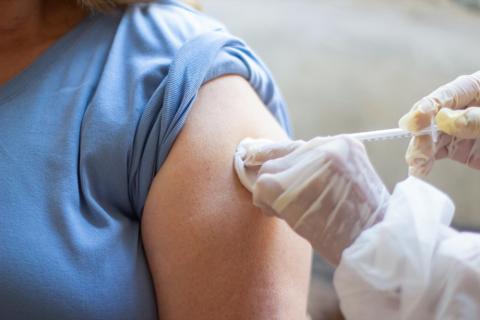
A meta-analysis analyzing the results of 18 clinical trials concludes that influenza vaccination may produce more adverse reactions in women than in men. According to the authors, whose research is published in the Journal of Epidemiology & Community Health, "the data suggest that most reactions are mild, self-limited, and rarely serious." "Transparent communication about the increased risk for women could help maintain long-term confidence in health authorities and vaccines," they add.

The International Agency for Research on Cancer (IARC) and the Joint FAO/WHO Expert Committee on Food Additives (JECFA) have published a health impact assessment of the sweetener aspartame. Citing "limited evidence" of carcinogenicity in humans, IARC has classified aspartame as possibly carcinogenic to humans (Group 2B). For its part, JECFA has not changed the acceptable daily intake of this sweetener, which is set at 40 mg/kg body weight. According to these bodies, with one can of diet soft drink containing 200-300 mg aspartame, a 70 kg adult would need to consume more than 9-14 cans per day to exceed the acceptable daily intake - assuming no other intake from other dietary sources.