Usama Bilal

Usama Bilal

Usama Bilal
Position

Associate professor in the Department of Epidemiology and Biostatistics and co-director of the Urban Health Collaborative and the Center for Climate Change and Urban Health Research at Drexel University's Dornsife School of Public Health

The heat in Europe caused more than 181,000 deaths in the summers of 2022, 2023 and 2024

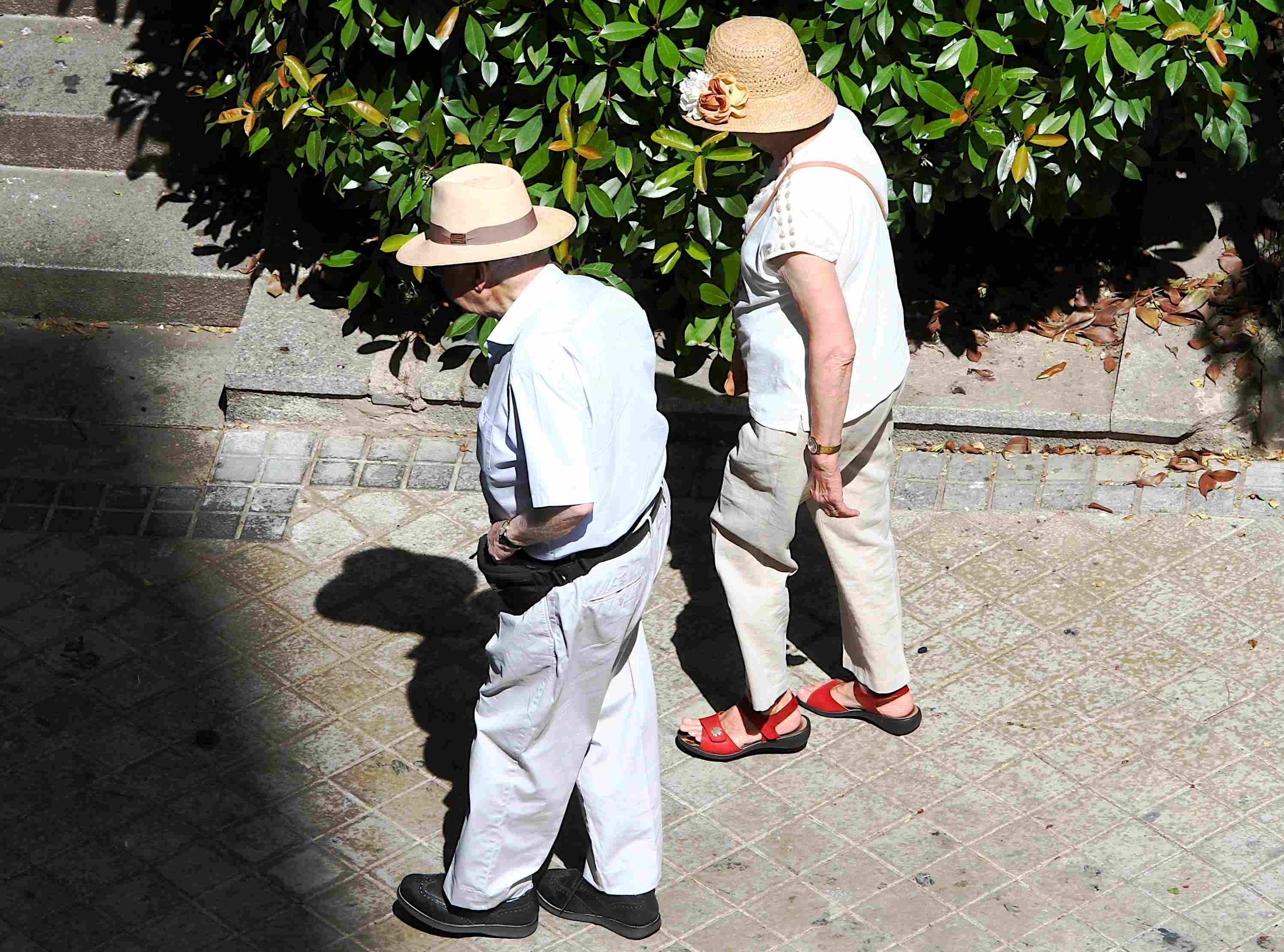
A study has estimated that there were more than 62,700 heat-related deaths in Europe between 1 June and 30 September 2024. This figure was 24% higher than that recorded in the summer of 2023, when more than 50,700 people died from heat, although 8.1% lower than in 2022, when more than 67,800 people died from this cause. By country, Spain had the second highest estimated mortality in the summer of 2024, with more than 6,700 deaths. The study, published in Nature Medicine and led by ISGlobal, proposes a new early warning system that can predict heat-related health emergencies at least one week in advance.

0

Improvements in life expectancy slowed down in many European countries between 2011 and 2021

From 2011 to 2019, improvements in life expectancy slowed down in many European countries and many experienced declines in this indicator during the Covid-19 pandemic (2019-2021), according to a study published in The Lancet Public Health. The research shows that the average annual improvement in life expectancy fell from 0.23 years (1990-2011) to 0.15 years (2011-2019) in 20 European countries, including Spain.

0

Reactions: exposure to urban green spaces is associated with slower epigenetic ageing

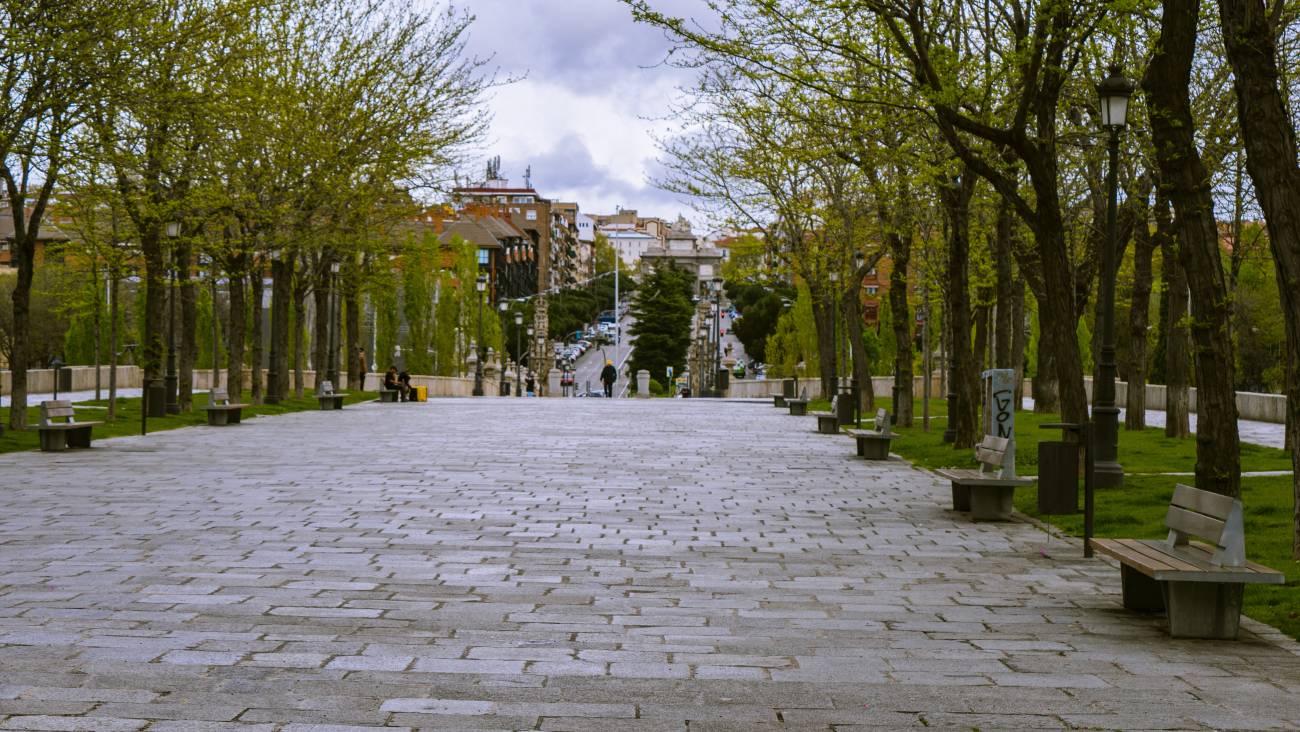
Living near green spaces over a long period of time is associated with better health, an association more marked in women and white people than in men and black people, according to a study conducted in four US cities. The analysis concludes that exposure to urban green space between 1985 and 2006 is associated with slower epigenetic ageing, and that this association is stronger in disadvantaged neighbourhoods. The international team publishing this paper in Science Advances includes a researcher from ISGlobal in Barcelona. 

0