Salvador Ventura

Salvador Ventura

Salvador Ventura
Position

Professor of Biochemistry and Molecular Biology at the Universitat Autònoma de Barcelona and a researcher on the Academia de Excelencia programme 

Exhaled carbon monoxide has been linked to a lower risk of Parkinson’s disease

Various studies have shown that smokers have a lower risk of developing Parkinson’s disease, but the causes remain unknown. A study has analysed the role played by carbon monoxide — a toxic gas produced by the combustion of tobacco — in this association. To this end, the team conducted a twelve-year follow-up study of more than half a million adults in China. The results show that regular smoking was associated with an increased risk of lung cancer, ischaemic heart disease, stroke and all-cause mortality, but with a lower risk of Parkinson’s disease. Most strikingly, amongst people who had never smoked, higher levels of exhaled carbon monoxide—which the authors measured—were associated with a lower risk of Parkinson’s disease. According to the study, published in JAMA Neurology, these findings demonstrate a possible protective role of carbon monoxide in the disease, rather than smoking itself.
0

Researchers study the role of a new brain network in Parkinson's disease

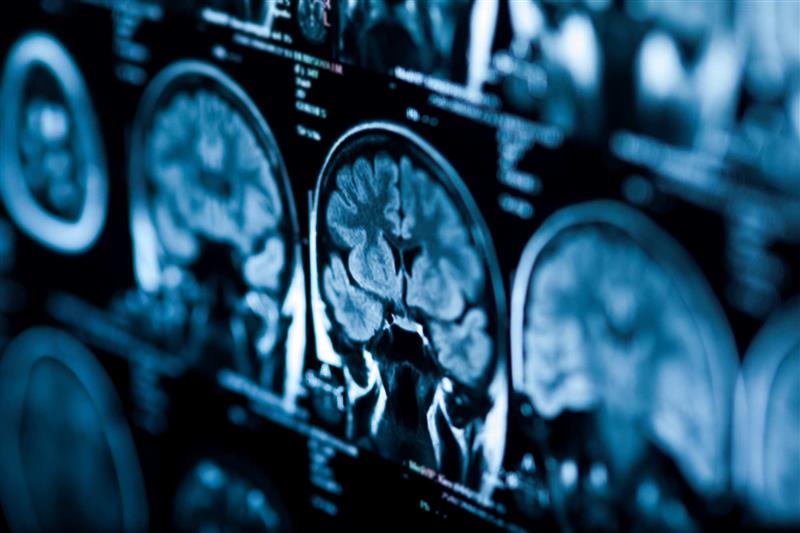
A study published in Nature suggests that a brain network that controls the execution of actions (SCAN), which was described in 2023, plays an important role in Parkinson's disease. Focusing treatments—such as transcranial stimulation—on the SCAN rather than other brain regions associated with movement could improve their effectiveness, according to the research.

0

Early signs of Parkinson's disease detected for the first time in post mortem brain tissue

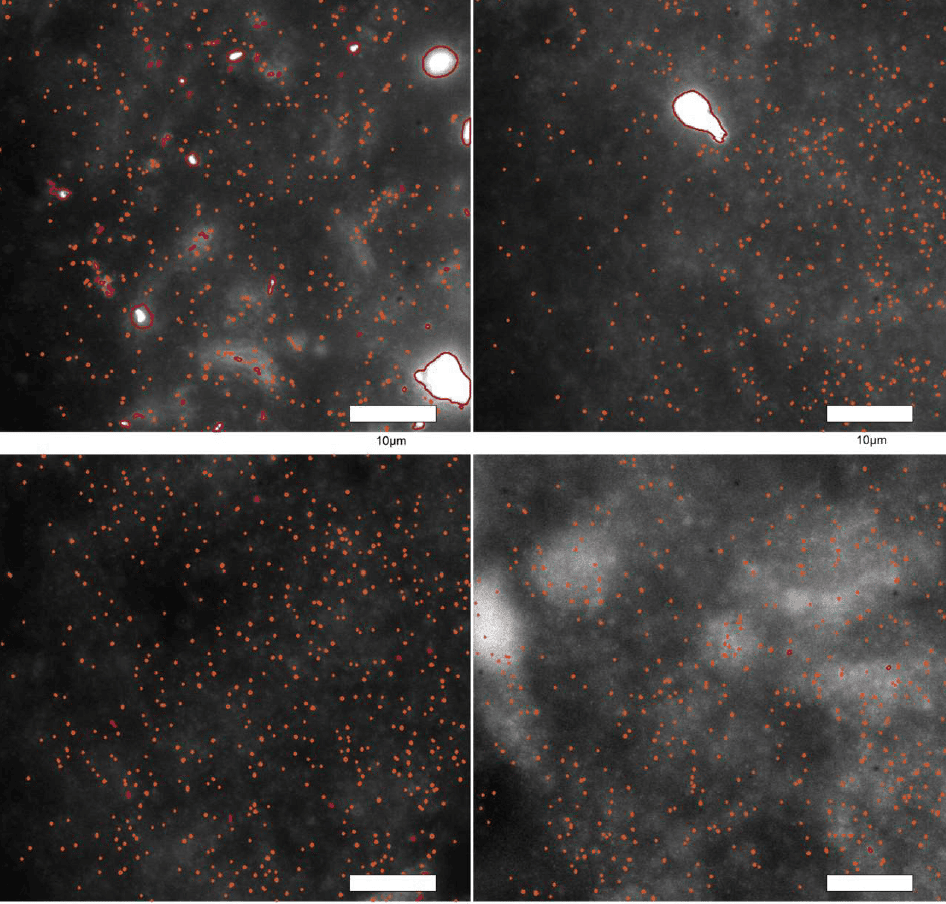
A team has managed to visualise and quantify the protein aggregates believed to trigger Parkinson's disease. This is the first time they have been directly visualised. These small aggregates – alpha-synuclein oligomers – were observed in post mortem brain tissue from people with the disease using a new microscopy technique, as explained by the authors in Nature Biomedical Engineering.

0