Robert Monjo

Robert Monjo

Robert Monjo
Position

Director of Research and Innovation at the Foundation for Climate Research and Associate Professor at CUNEF University

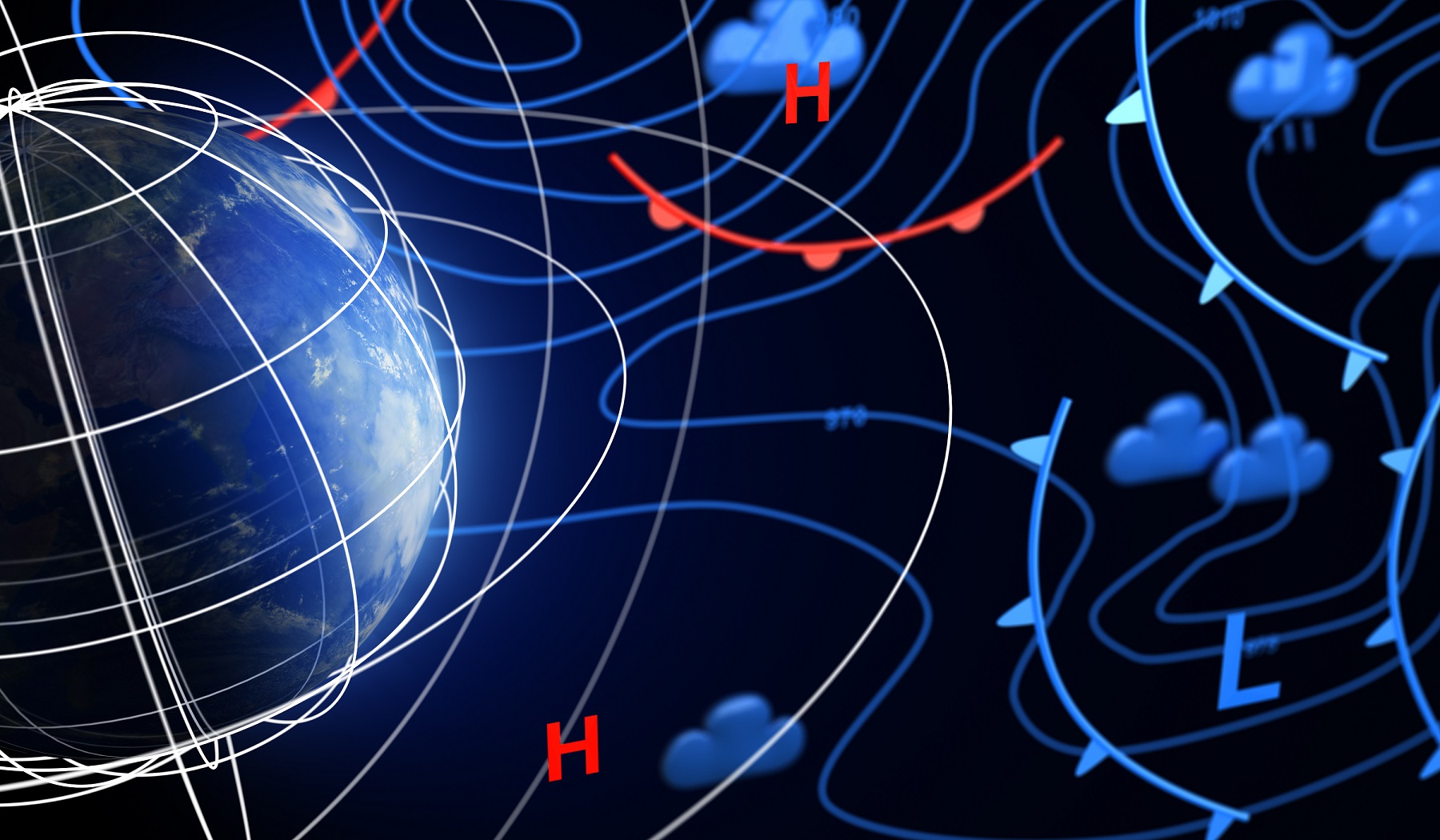
An artificial intelligence method improves weather forecasts up to six weeks in advance

Currently, weather forecasts become less accurate as the lead time increases, especially beyond two weeks. A study published in the journal Nature presents a machine learning method that corrects errors in existing weather models and improves forecasts for a period of two to six weeks. When applied to an artificial intelligence model from the European Center for Medium-Range Weather Forecasts (ECMWF), the method doubled its predictive capability. It also improved the prediction of extreme weather events, such as floods and cold snaps. According to the article, these advances could help improve agricultural planning, energy management, and disaster preparedness. 

0
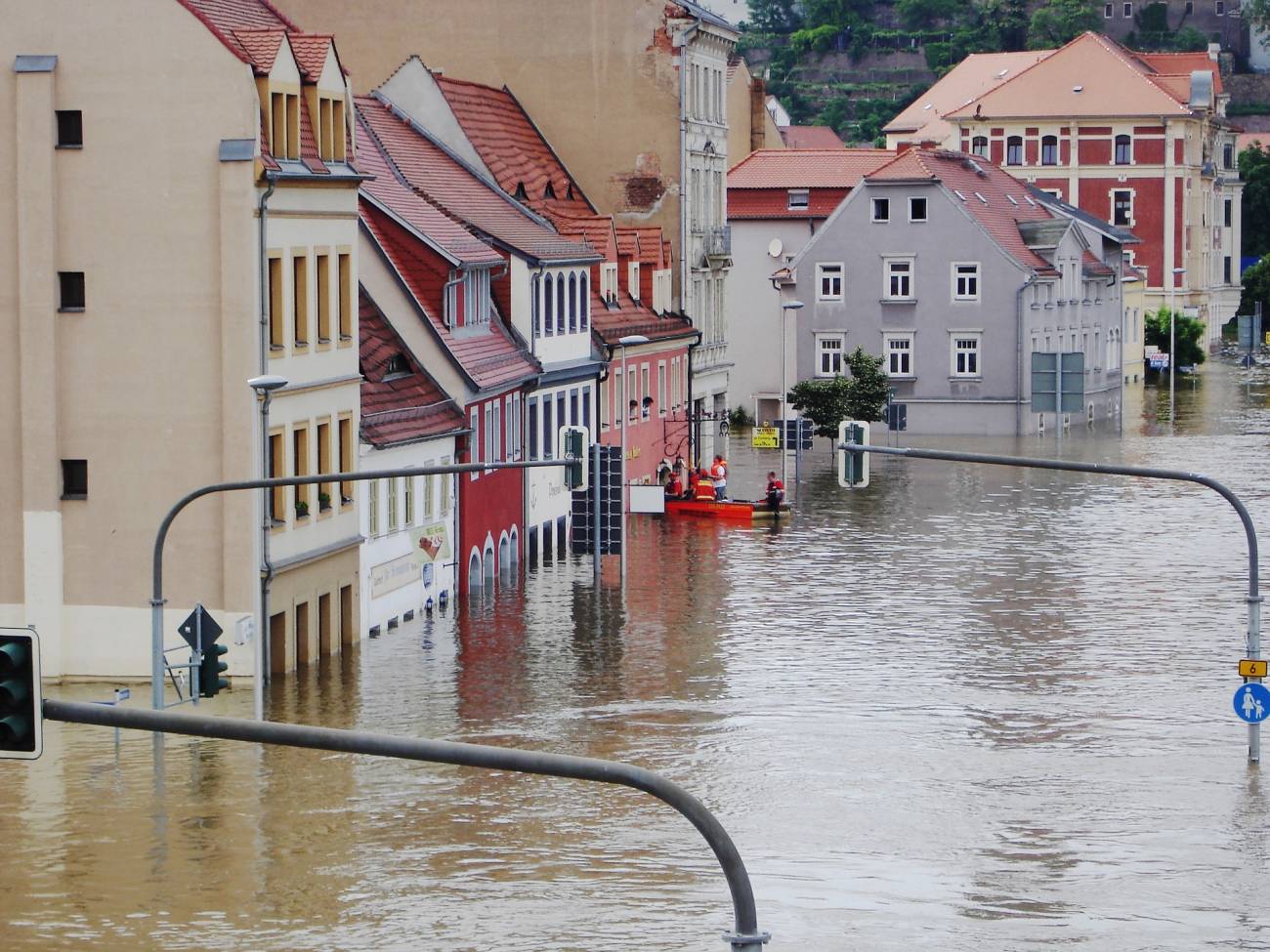
Reaction: Human settlements in flood-prone areas are increasing

A study published in Nature has analyzed the presence of human settlements in flood-prone areas and their evolution worldwide since 1985. Until 2015, there was an increase of up to 122% in these settlements in flood-prone areas. According to their data, in many regions, the growth in the most hazardous areas is far outpacing development in non-exposed areas, especially in East Asia.

0

Reactions: Study blames climate change and other human factors for severe flooding in Libya and Greece

Las lluvias torrenciales caídas en Libia hace dos semanas fueron 50 veces más probables por el calentamiento global provocado por la acción humana. Algo similar ocurría con las lluvias caídas en Grecia, Bulgaria y Turquía, que fueron 10 veces más probables por el cambio climático, según concluye un estudio de atribución rápido de la Word Weather Attribution (WWA). La investigación apunta a que la tragedia en Libia se agravó por otros factores humanos, como construcciones en llanuras inundables y presas en mal estado. Los autores también analizaron las inundaciones registradas en España a principios de septiembre y concluyeron que precipitaciones tan intensas se esperan una vez cada 40 años. 

0

Reaction to two methods using artificial intelligence techniques to forecast the weather

Two studies published in the journal Nature use artificial intelligence (AI) to try to predict the weather. One system, trained on nearly 40 years of global weather data, is capable of predicting global weather patterns up to a week in advance. The second, called NowcastNet, combines physics rules and deep learning for immediate prediction of precipitation, including extreme precipitation.

0